Women's Golf Trip Destinations
The women's golf trip market has grown faster than the golf industry's infrastructure has adapted to serve it. Most golf destinations, from course design to clubhouse culture to marketing language, were built around the assumption that the typical travelling golfer is a man in his 40s or 50s on a buddies trip. That assumption is increasingly outdated. Women represent the fastest-growing segment of new golfers in the United States, and women's golf groups, whether travelling as friends, colleagues, or members of the same club, plan and book trips with a frequency and intentionality that the industry is only beginning to recognise.
The destinations listed here are selected not because they have created separate women's programmes, which is often a marketing tactic rather than a genuine commitment, but because they deliver the combination of course quality, hospitality, and off-course experience that women's golf groups consistently prioritise.
What Women's Groups Look For
Conversations with women's golf travel groups reveal consistent priorities that differ in emphasis, if not in kind, from the typical buddies trip. Course conditioning and design matter at least as much as difficulty. A well-maintained course that plays fairly from the forward tees is more appealing than a championship layout that punishes from any tee box other than the tips. The clubhouse experience, from the quality of the food to the attentiveness of the staff to the cleanliness of the facilities, receives more scrutiny than it does from most men's groups. And the non-golf programme, dining, spa, shopping, cultural attractions, is not an afterthought but a co-equal consideration in destination selection.
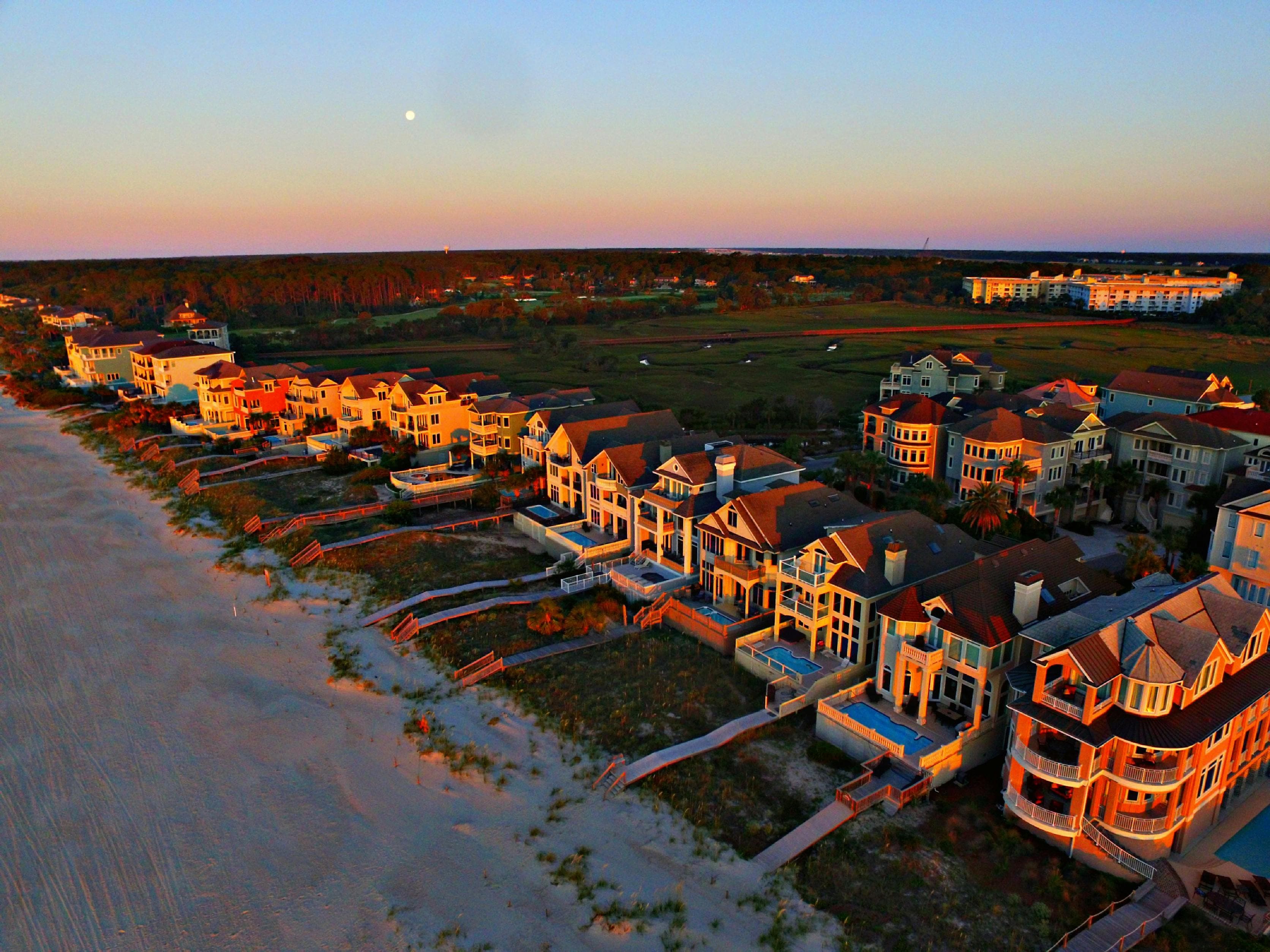
Harbour Town Golf Links
None of this means women's groups are less serious about golf. It means they are more deliberate about the entire trip experience.
The Destinations
Hilton Head Island, South Carolina. Hilton Head is the women's trip that balances golf with beach and gets both right. The island's pace is unhurried, the courses are well-maintained without being punishing, and the accommodation options in Sea Pines and Palmetto Dunes provide villa living that keeps the group together in shared spaces. Harbour Town Golf Links, with its lighthouse finish along Calibogue Sound, provides the signature round. The Palmetto Dunes courses offer more accessible alternatives where the forward tees produce sensible shot values rather than awkward forced carries. The bike paths, the beach, and the Shelter Cove marina restaurants fill the non-golf hours with options that feel chosen rather than compromised.
What distinguishes Hilton Head for women's groups is the island's integration of golf with daily life. The round does not feel like a separate activity requiring a drive to a distant venue. It feels like one component of a well-paced coastal day.
**Scottsdale, Arizona. The spa culture in the Scottsdale resort corridor is not a secondary amenity; it is a primary draw. The Boulders Spa, the Joya Spa at the Omni, and the Scottsdale Princess all offer programmes that merit a half-day commitment. The golf portfolio includes We-Ko-Pa Saguaro, which is superbly maintained and plays well from every tee box, and Troon North, which offers desert golf at its most visually striking. The Scottsdale Arts District provides an afternoon option that has nothing to do with golf or spas, and Old Town's restaurant and cocktail scene is dense enough to explore across multiple evenings without repetition.
** Scottsdale is the strongest all-around destination for women's golf groups because the non-golf offering is as developed as the golf itself.
The desert climate cooperates from October through April, and the morning round followed by an afternoon at the spa has become a formula that women's groups have made their own. Scottsdale accommodates this rhythm without requiring any adaptation.
Sea Island, Georgia. Sea Island operates at a level of service that women's groups appreciate because it is genuine rather than performative. The Cloister resort staff address guests by name by the second interaction. The Seaside Course is maintained to tournament standards. The beach programme includes guided nature walks, kayaking, and fishing. The dining moves from the Georgian Room's formal setting to the Beach Club's relaxed waterfront without losing quality. This is the destination for the women's group that wants everything done well and is willing to pay for the assurance that it will be. The smaller scale of the resort, compared to Scottsdale or Myrtle Beach, means the experience feels personal rather than processed.
Kiawah Island, South Carolina. Kiawah delivers the combination of premium golf and coastal resort atmosphere that elevates a golf trip into a genuine getaway. The Sanctuary at Kiawah is one of the finest resort hotels on the East Coast, and its spa programme draws guests who come for the spa alone. The Ocean Course provides the anchor round: dramatic, memorable, and, from the forward tees, playable for golfers across a range of handicaps. Osprey Point, designed by Tom Fazio, is the more relaxed alternative for the day when the group wants quality without intensity. Charleston, 45 minutes north, offers an evening programme of exceptional dining and historic-district walking that extends the trip beyond the island.
Pinehurst, North Carolina. Pinehurst has hosted three U.S. Women's Opens at Pine Needles Lodge, across the road from the main resort, and the women's golf history in the Sandhills runs deeper than most destinations can claim. The resort's courses, particularly No. 4 and No. 8, play well from the forward tees because they were designed with multiple tee options in mind rather than adding forward tees as an afterthought. The village setting is walkable and intimate. The spa at the Carolina Hotel provides the post-round programme. Pine Needles itself, a Donald Ross design with a smaller and more personal lodge, is an excellent alternative base for groups that prefer a quieter setting.
The restaurants in the village reward the group that values dinner as part of the trip rather than a logistical necessity.
Pebble Beach, California. Pebble Beach is the aspirational women's golf trip, the bucket-list destination that justifies a higher price point for a once-in-a-decade experience. The course itself needs no additional qualification. What makes Pebble Beach work for women's groups specifically is the Monterey Peninsula's secondary offerings: Carmel-by-the-Sea's galleries and boutiques, the aquarium, 17-Mile Drive, and the wine-tasting rooms of Carmel Valley. The non-golf day at Pebble Beach is as strong as the golf day, which is rare at bucket-list golf destinations that tend to offer little beyond the courses themselves. The Inn at Spanish Bay provides the evening experience: sunset bagpiper, fire pits overlooking the Pacific, and the Links course next morning.
Naples, Southwest Florida. Naples is the women's golf trip for groups that want warmth, calm, and quality without the resort-complex atmosphere. The beaches on the Gulf Coast are the quietest in Florida's major markets. Fifth Avenue South's shopping and dining is walkable, curated, and pitched at adults. Tiburon Golf Club provides the golf anchor, and the proximity to the Everglades offers a nature excursion that provides genuine contrast to the resort setting. The accommodation options range from the Ritz-Carlton Naples to well-appointed rental properties that give the group a shared living room and kitchen.
Planning for Women's Groups
A few considerations specific to women's golf travel.
Tip
Forward tee quality. Not all forward tees are created equal. Some courses designed primarily for male play place forward tees in awkward positions that produce blind shots, forced carries over hazards, or approaches that are more difficult than from the back tees. Research the course from the tee boxes the group will actually use, not from the championship perspective that dominates most golf media.
Accommodation with communal space. Women's golf groups consistently report that the time spent together off the course matters as much as the time on it. A rental house or suite with a shared living area supports the morning coffee gatherings, evening wine sessions, and the conversations that make the trip memorable. Adjacent hotel rooms do not replicate this dynamic.
Dining as an event. Build one or two memorable dinners into the itinerary rather than defaulting to the clubhouse or the nearest casual restaurant every evening. The dinner out is often the moment the group remembers most vividly, and destinations like Charleston, Scottsdale, and Naples offer dining that justifies the planning effort.
Group size and course selection. Women's groups tend to organise in multiples of four, which simplifies tee-time logistics. For groups of eight or twelve, choose courses that can accommodate consecutive foursomes without excessive wait times between groups. Resort courses with dedicated group services handle this more smoothly than independent daily-fee courses.
Building the Tradition
The verdict