Sea Island Seaside: Why This Course Belongs on Your Bucket List
Par: 70 | Yardage: 7,055 (tips) | Designer: Tom Fazio (1999) | Type: Resort | Green Fees: $275–$400 (resort guest access) | Walking: Permitted
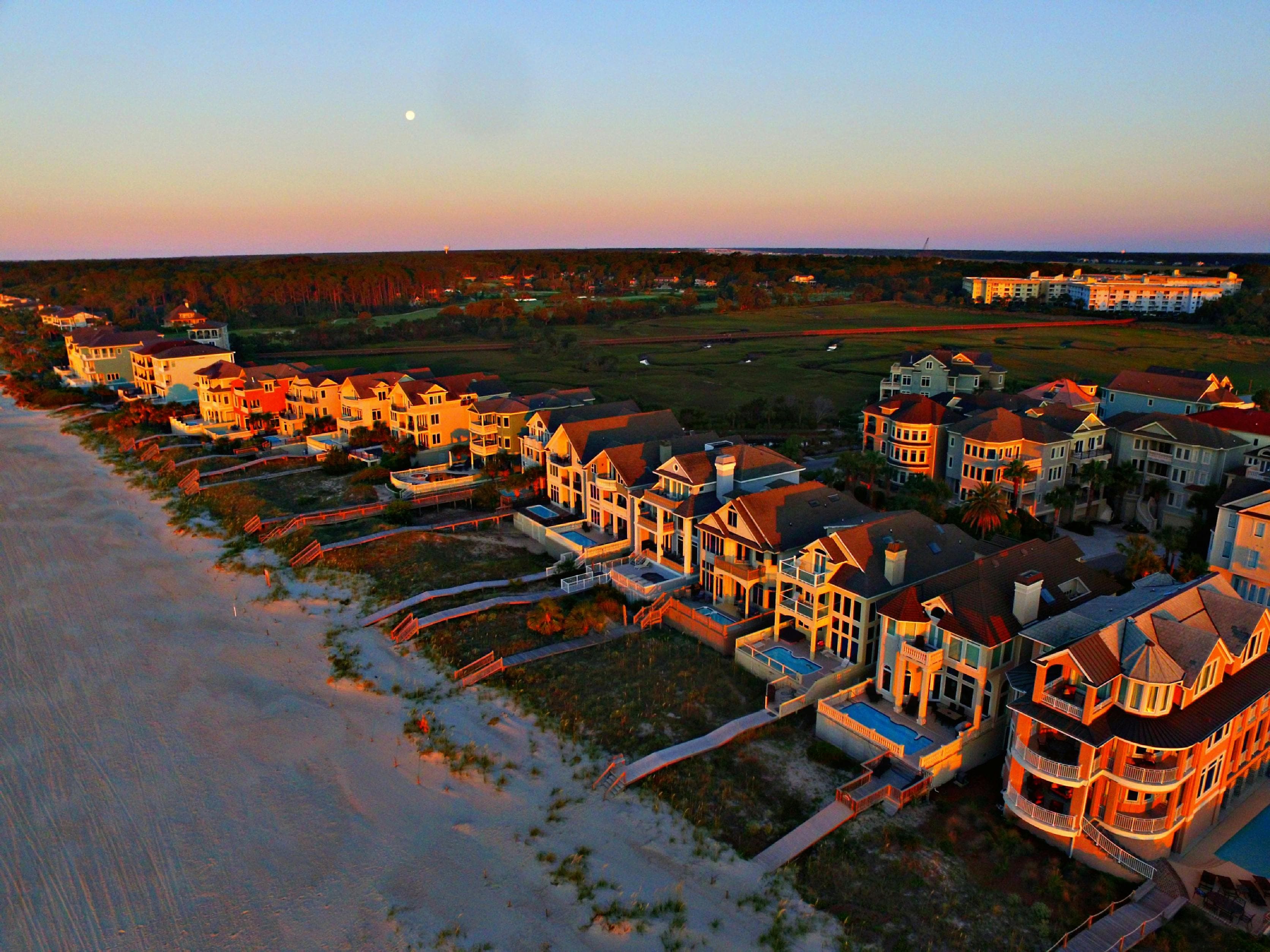
The Georgia coast between Savannah and Jacksonville contains a string of barrier islands that have hosted golf for more than a century. Sea Island, the most private and least publicized of the group, has operated as a resort since 1928 and as a golf destination for nearly as long. The Seaside Course, Tom Fazio's 1999 redesign of an older layout, now serves as the annual host of the PGA Tour's RSM Classic. It earns that assignment through a combination of strategic depth and coastal setting that few tournament venues can match.
Where to stay in Sea Island & St. Simons
Planning the trip? Compare live prices across every nearby hotel and rental in one search.
Prices and availability from Booking.com, Expedia and others via Stay22. GolfTrailsHQ may earn a commission at no additional cost to you.
The Design Lineage
The original Seaside nine dates to the 1920s, when the resort was still finding its identity. By the late 1990s, the course needed a comprehensive renovation, and Sea Island turned to Tom Fazio, who was at the peak of his influence in American course architecture. Fazio rebuilt the course essentially from scratch, rerouting holes to take fuller advantage of the marshland, tidal creeks, and ocean breezes that define the property.
The result is a course that feels older than its construction date suggests. Fazio resisted the temptation to impose dramatic earthmoving on a naturally flat coastal site. Instead, he worked with the existing grades, using subtle mounding and careful bunkering to create visual interest and strategic options on terrain that could easily have produced a monotonous layout. The restraint is the design's greatest strength.
What Makes It Exceptional
Seaside plays as a links-influenced course on a distinctly American canvas. The turf is Bermuda rather than fescue, the vegetation is live oak and palm rather than gorse, and the water features are tidal marsh rather than ocean. But the playing qualities share DNA with coastal courses across the Atlantic. The wind is the primary defense, shifting direction and intensity throughout the day, and Fazio designed the greens and approach angles to reward players who can manage trajectory and spin in variable conditions.
The routing moves between three distinct environments. Several holes play through a corridor of mature oaks that filter the wind and create a sheltered, almost parkland atmosphere. Others open to the marsh, where the horizon broadens and the breeze becomes the dominant factor. The closing stretch brings the ocean into view, and the character of the course shifts again. This variety within a single round prevents the layout from settling into a predictable rhythm and keeps decision-making fresh through 18 holes.
The par-4 holes are the backbone. Several doglegs use the marsh as a natural hazard along one side, creating risk-reward calculations off the tee that change depending on wind direction and pin position. The player who can move the ball both ways and adjust strategy hole by hole will consistently outperform the one who relies on a single game plan.
Fazio designed a collection of two-shotters that vary in length, angle, and the type of miss they punish.
The Tournament Connection
The RSM Classic has called Seaside home since 2010, and the tournament has quietly become one of the better-attended fall events on the PGA Tour schedule. The course sets up as a fair examination of professional golf, with winning scores typically in the mid-teens under par, reflecting a layout that rewards quality ball-striking without surrendering to it. Tour players have praised the variety of shots required and the premium the course places on iron play into well-defended greens.
For visiting golfers, playing a current PGA Tour venue carries a specific appeal. The course is maintained to tournament-level standards year-round, and the experience of standing on tees and greens that appear on television each November adds a layer of engagement that purely private courses cannot replicate.
The Broader Experience
Sea Island as a resort operates with a quiet confidence that reflects its clientele. The Cloister, the property's flagship hotel, has maintained a particular standard of Southern hospitality since its original construction in 1928. The atmosphere is unhurried and understated. There are no neon signs, no crowded pool decks, no visible effort to manufacture excitement. The resort assumes its guests know what they want and provides it without fanfare.
This sensibility extends to the golf operation. The practice facilities are extensive, the caddie program is well-established, and the pace of play is managed with care.
A round at Seaside feels considered rather than rushed, which suits a course that rewards patient course management over aggressive play.
Why It Earns Its Place
Seaside belongs on a bucket list because it combines a legitimate PGA Tour venue with a coastal Georgia setting and a resort experience that has been refined over nearly a century. The course does not overwhelm with spectacle. It earns respect through the quality of its architecture and the consistency of its conditions.
The verdict