Pebble Beach: Course History & Design Story
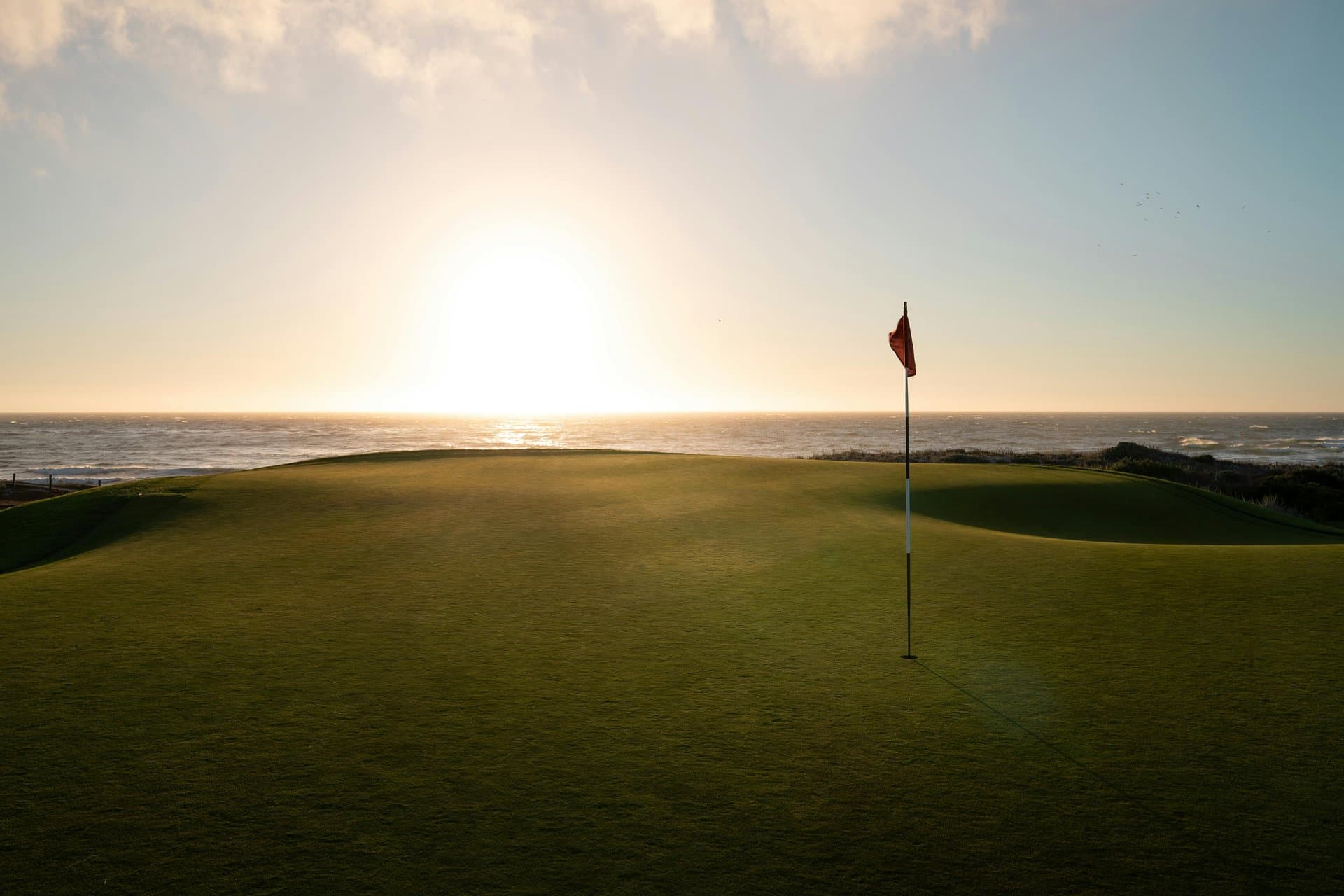
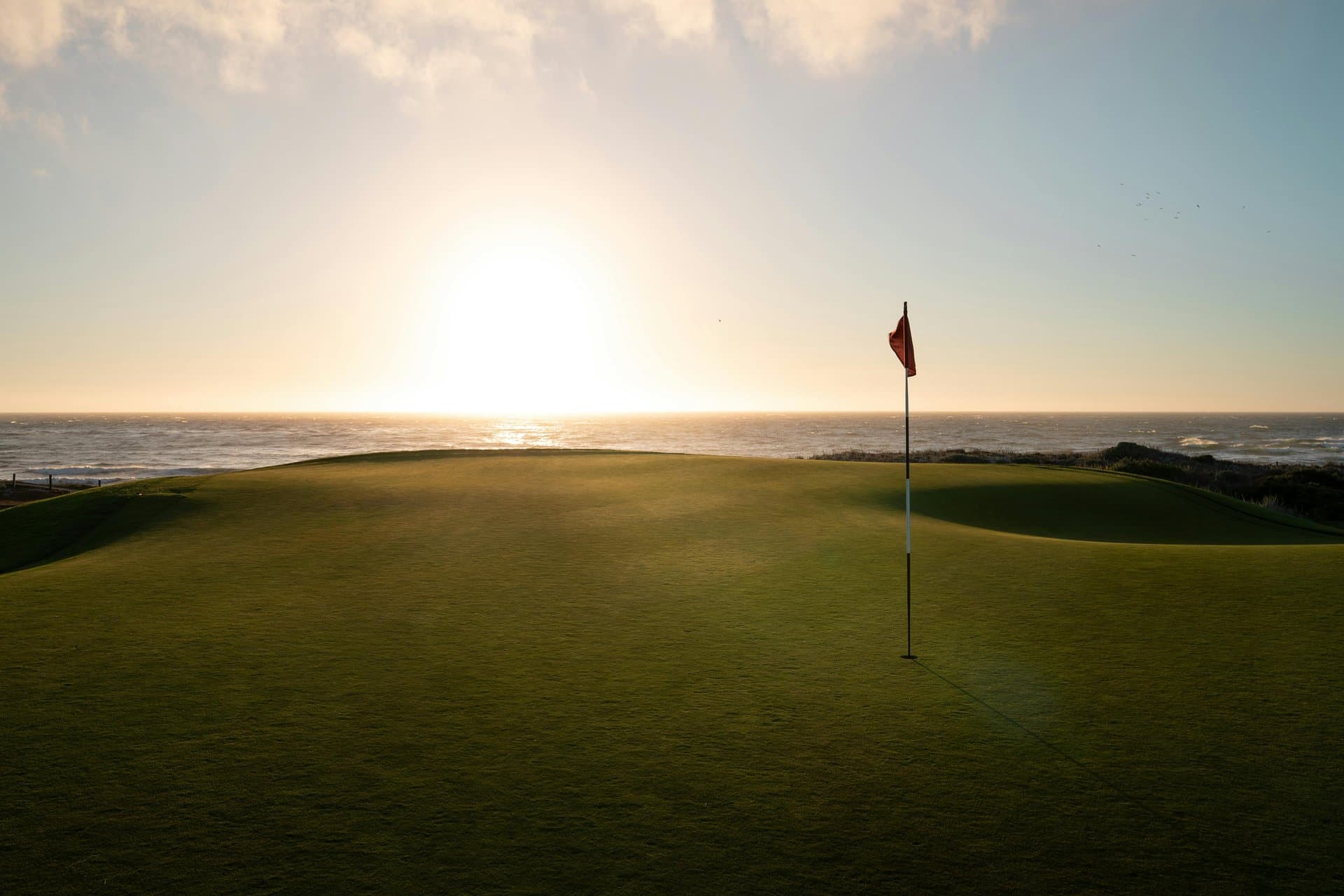
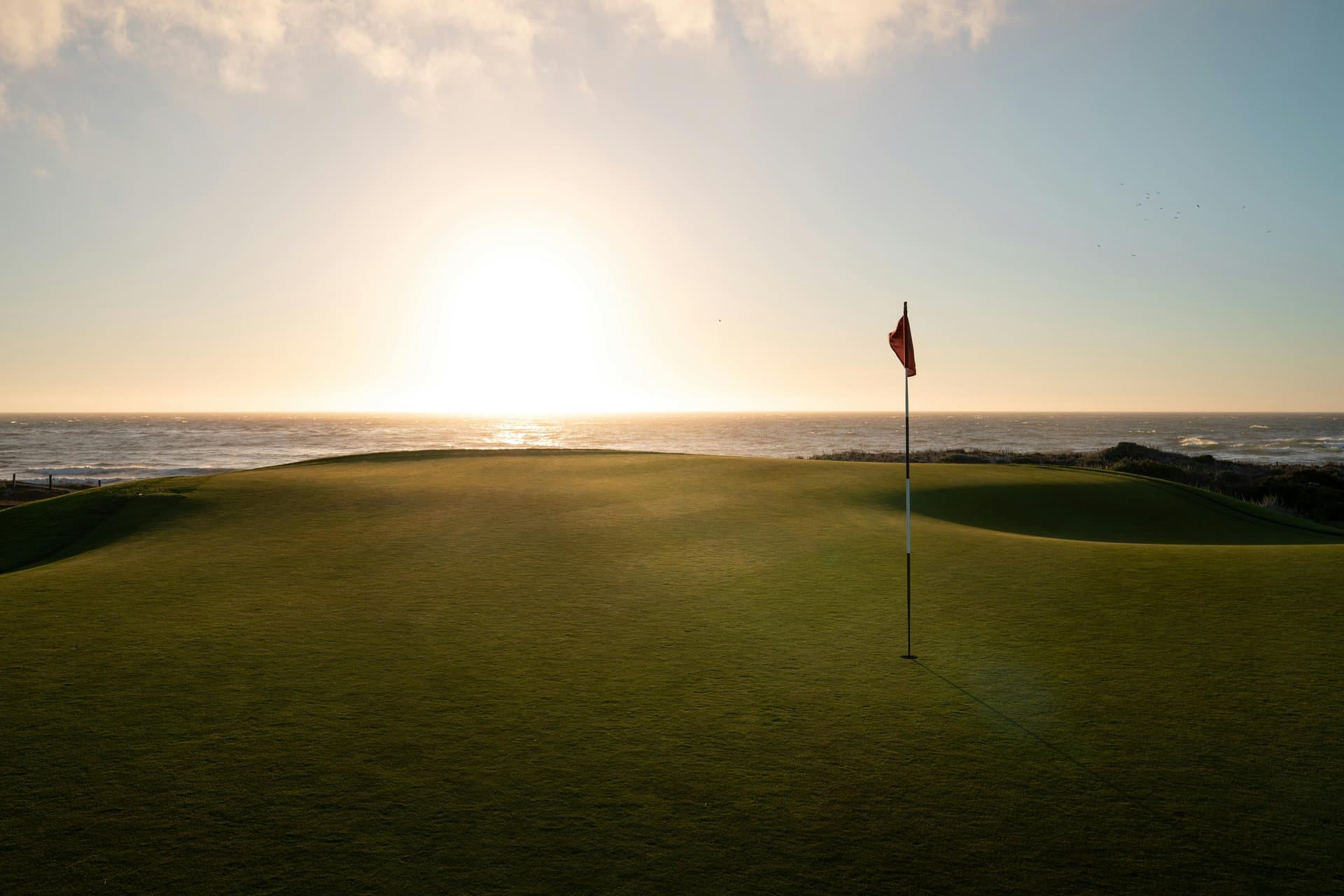
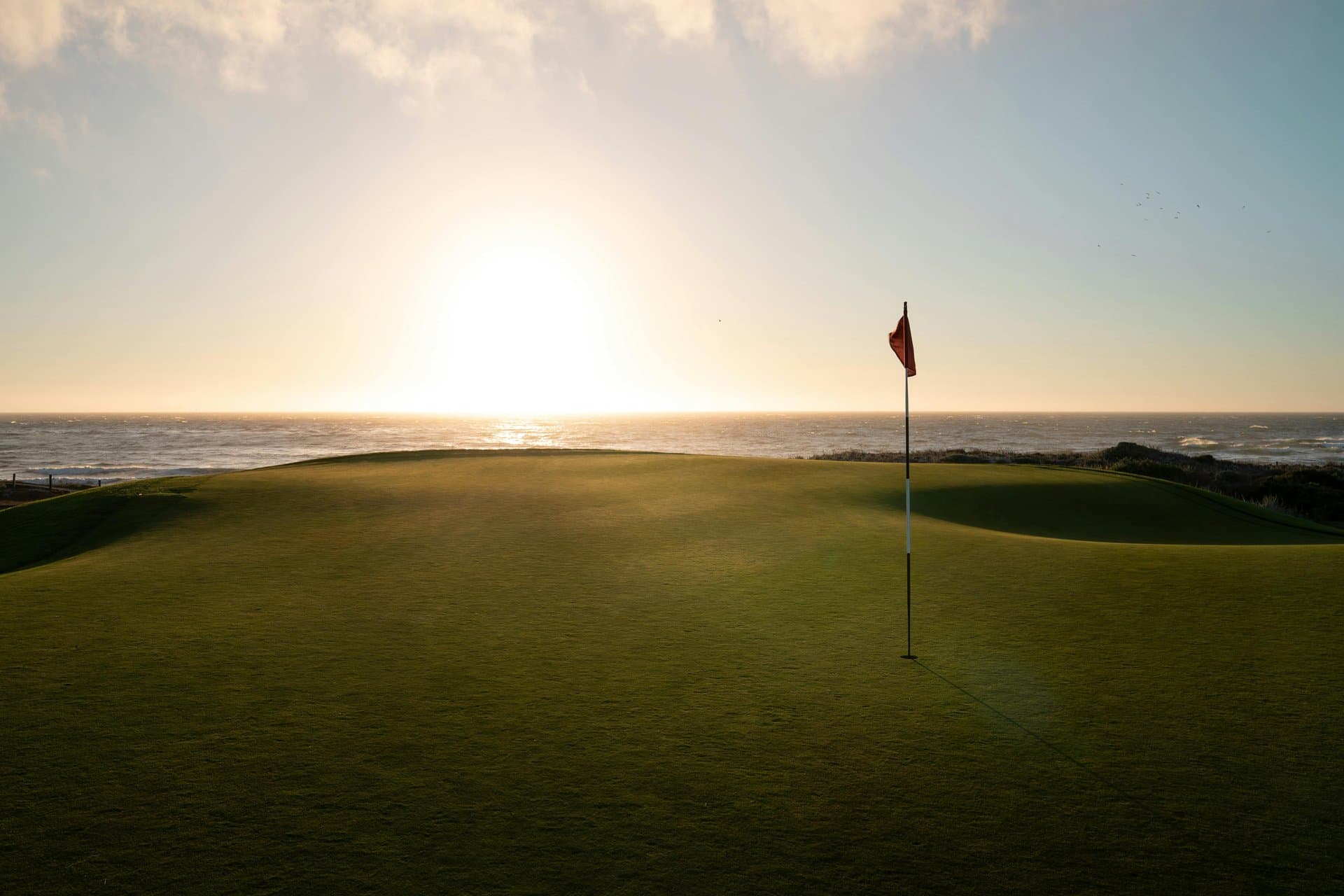
The Monterey Peninsula was not supposed to become golf's most famous coastline. Samuel Morse, the businessman who acquired the Del Monte properties in 1919, envisioned a residential and resort community anchored by natural beauty and exclusivity. Golf was one amenity among several. That it became the defining feature of the peninsula, and that the courses built there would shape how Americans understand the relationship between landscape and golf architecture, was an outcome that even Morse could not have fully anticipated.
Where to stay in Monterey Peninsula
Planning the trip? Compare live prices across every nearby hotel and rental in one search.
Prices and availability from Booking.com, Expedia and others via Stay22. GolfTrailsHQ may earn a commission at no additional cost to you.
Origins: Neville and Grant
Jack Neville and Douglas Grant were California amateur golfers of considerable accomplishment but no professional design experience. Morse selected them in 1918, and the choice proved more consequential than any credential could have predicted. Neville later described the design process in terms that have been quoted in every account of the course's history: the holes were already there, waiting to be discovered. The statement is accurate enough to be useful. The coastline along Carmel Bay presented natural green sites, routing corridors, and elevation changes that a more interventionist designer might have obscured with earthmoving and artificial features. Neville and Grant built lightly on the land, and the result was a course whose best holes feel inevitable rather than constructed.
Pebble Beach Golf Links opened in February 1919. The original course played at approximately 6,200 yards, modest even by the standards of the era. The greens were small, the bunkers relatively few, and the fairways wider than they would later become. The design relied on the terrain and the elements, particularly the Pacific winds and the visual intensity of ocean-side play, to provide the challenge.
H. Chandler Egan, another accomplished amateur and the 1904 U.S. Amateur champion, revised the course in 1928 ahead of that year's U.S. Amateur championship. Egan's changes were substantive: he added bunkers, recontoured greens, and introduced strategic complexity that the original design had lacked in certain areas. His work sharpened the course without altering its character, and several of his modifications remain in play today.
Six U.S. Opens
The United States Golf Association first brought its Open championship to Pebble Beach in 1972, and the course has hosted the event five more times since: 1982, 1992, 2000, 2010, and 2019. Woods played a course that week that seemed to exist in different conditions than the one his competitors encountered, a testament to his skill but also to Pebble Beach's capacity to separate the exceptional from the merely excellent when the setup demands it.
The 2000 championship, won by Tiger Woods at 12 under par with a 15-stroke margin over the field, remains the most dominant performance in major championship history.
The 1982 Open produced the moment that cemented the course in the broader cultural imagination. Tom Watson's chip-in from thick rough on the par-3 17th hole, during the final round against Jack Nicklaus, decided the championship in a way that felt scripted. The hole, with its hourglass green surrounded by bunkers and its proximity to the rocky shoreline, provided the setting that made the moment memorable. Architecture and history converged in a way that neither could have achieved alone.
Watson later called it the most important shot of his career.
Spyglass Hill
Robert Trent Jones Sr. designed Spyglass Hill Golf Course on adjacent Del Monte property, opening it in 1966. Where Pebble Beach plays along the coast and then turns inland, Spyglass Hill reverses the sequence. The opening five holes occupy sandy, links-like terrain among the dunes near the ocean, with wide fairways, firm conditions, and minimal tree cover. The course then moves into the Del Monte Forest, where the remaining thirteen holes play through dense Monterey pines with elevation changes and tightly framed corridors.
The transition is abrupt, and the two halves play like different courses. The forest holes at Spyglass Hill are among the most demanding in public golf, requiring precise iron play into elevated, well-defended greens. Jones designed the course to championship specifications, and it regularly appears on lists of the most difficult public courses in the country. Many architects and serious players consider Spyglass Hill the superior design on the peninsula, a position that is defensible even if it will never attract the same emotional attachment that Pebble Beach commands.
The Links at Spanish Bay
The Links at Spanish Bay, opened in 1987, was a collaborative design by Robert Trent Jones Jr., Tom Watson, and Sandy Tatum. The course occupies coastal dunes north of Pebble Beach and attempts to recreate the conditions of Scottish links golf on a California shoreline. The fairways are wide, the greens accept running approaches, and the rough is composed of native fescue rather than the manicured rye found at Pebble Beach and Spyglass Hill.
The experiment partially succeeds. On firm, windy days, Spanish Bay plays with the tactical variety and ground-game emphasis that its designers intended. On calm days with soft conditions, the links character recedes, and the course feels more like a standard resort layout with unusual vegetation. The daily bagpiper who plays at sunset near the clubhouse has become a signature ritual, a touch of atmosphere that connects the experience to its Scottish aspirations.
The Peninsula Today
Tip
The verdict