One Course, One Trip: When a Single Round Justifies the Journey
Most golf trips are built around volume. Four rounds in three days. Five courses in a week. The logic is economic: if you are flying somewhere and booking a hotel, you should extract maximum value from the time and expense. This logic is sound but incomplete.
Some courses are worth a trip for a single round. These are courses where the memory of the round will outlast any marginal benefit from a second or third loop. They are courses you think about for years, not because you played them four times in a weekend, but because you played them once and understood why people talk about them.
Not because additional rounds would be unwelcome, but because the course itself is the destination, and the experience of playing it once is sufficient to justify the journey.
Here are seven courses where one round is enough.
Pebble Beach Golf Links
The green fee is $695. The accommodation at The Lodge starts at $950 per night. The round takes approximately five hours. And the nine holes along the Pacific coast, from the 6th through the 10th and the 17th through the 18th, deliver an experience that no amount of replaying will improve upon. The first time you stand on the 7th tee, a 106-yard par 3 over the ocean, is the moment. Subsequent visits are wonderful, but they are echoes of that first encounter.
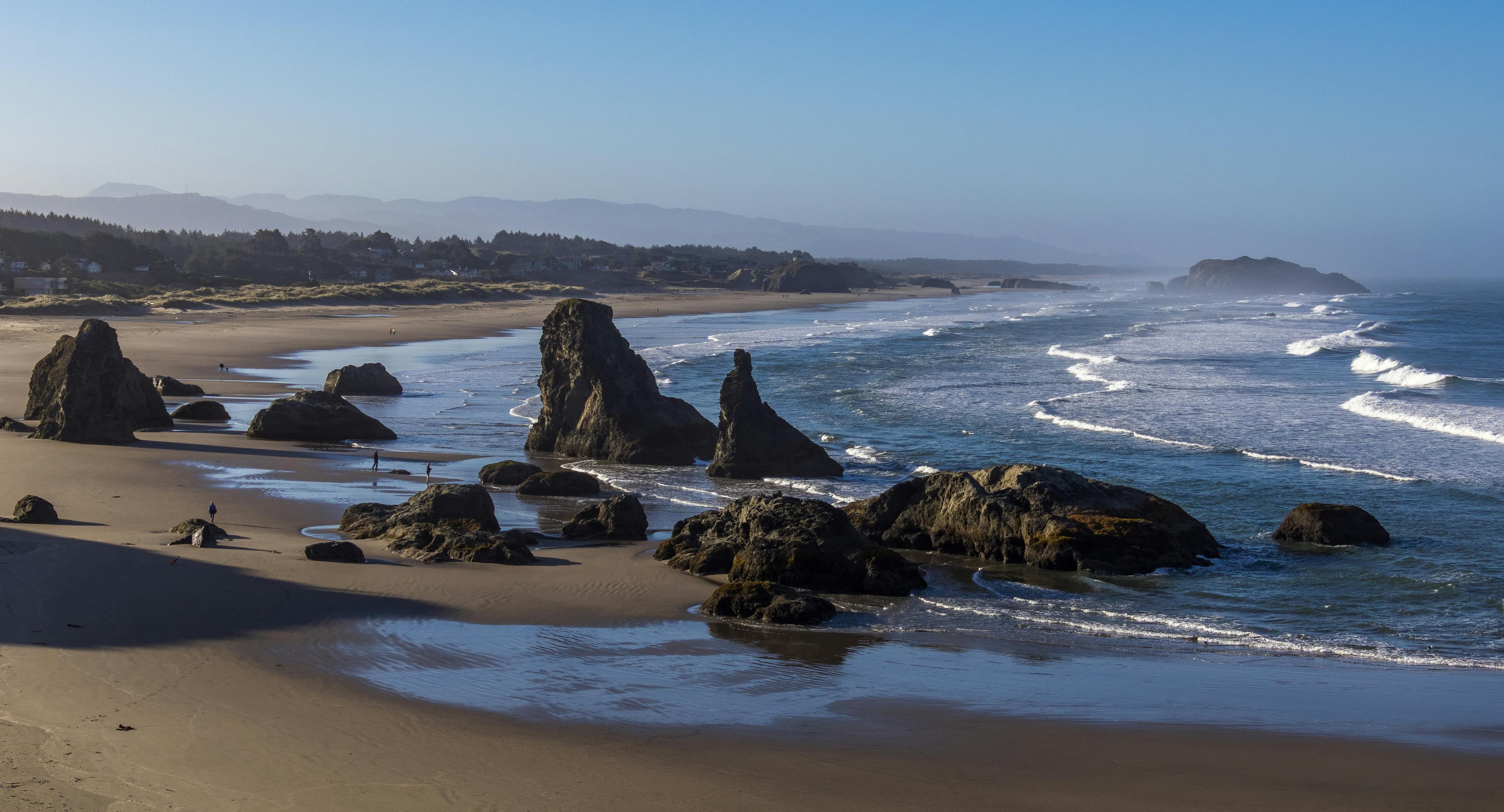
Bandon Dunes
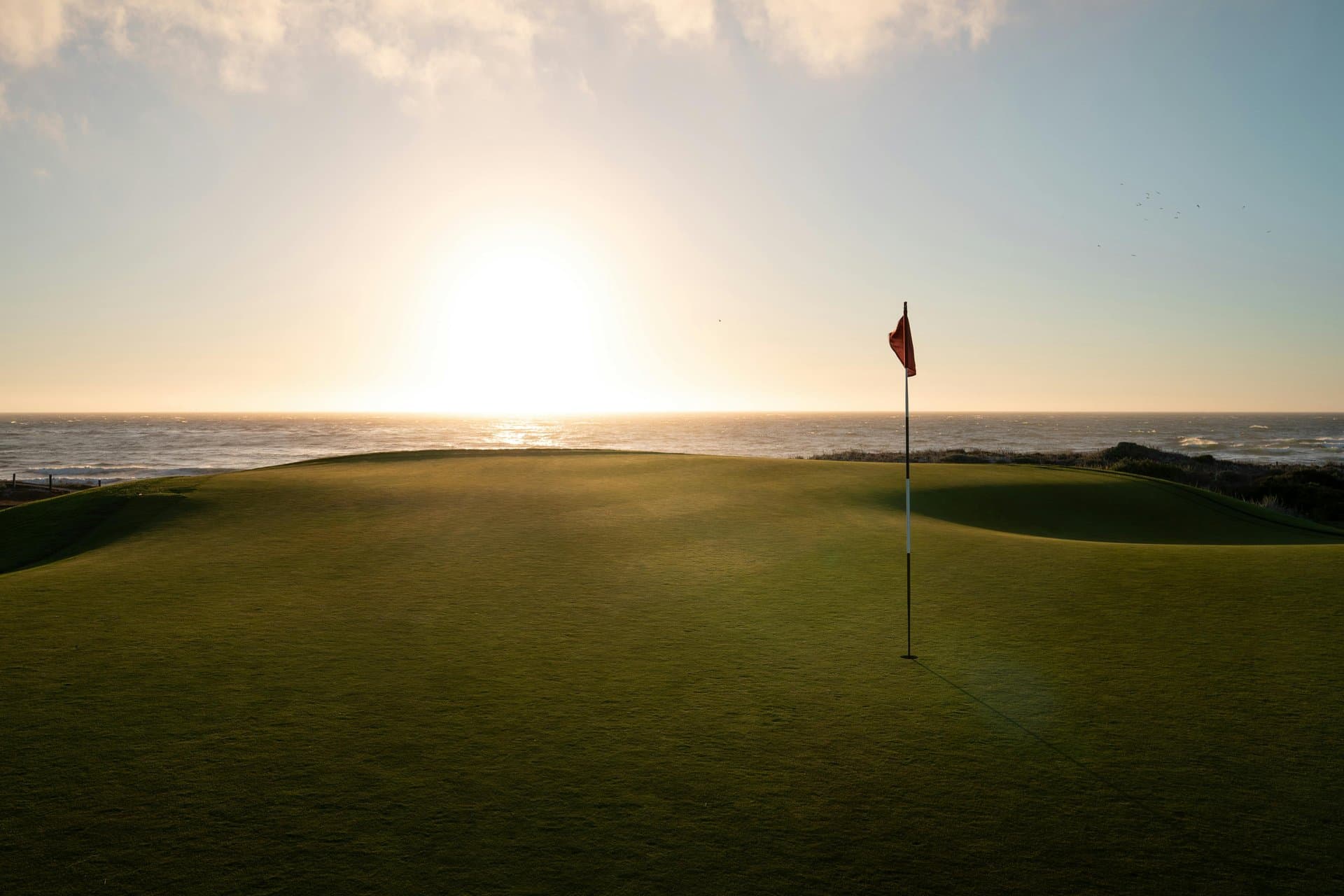
Pebble Beach Golf Links
Fly into Monterey. Check in. Play Pebble Beach. Have dinner at The Bench overlooking the 18th green. Fly home the next morning. Total cost: approximately $2,000 for one night and one round. Total regret: zero.
The Ocean Course at Kiawah Island
Eighteen holes with Atlantic views. Ten along the coastline. Walking with a caddie is mandatory. The experience takes roughly four and a half hours and uses every club in the bag.
Pete Dye designed the Ocean Course for the 1991 Ryder Cup, and the course remains one of the most visually and technically demanding in American golf.
A single round at the Ocean Course costs between $350 and $685 depending on season. A one-night stay at The Sanctuary adds $900. Fly into Charleston, drive an hour to Kiawah, play the round, spend the evening in Charleston eating at restaurants that justify the city's culinary reputation, and fly home. The golf and the city, combined, make a 36-hour trip that accomplishes more than many week-long vacations.
Whistling Straits
The Straits Course at Destination Kohler sits on Lake Michigan's western shore, and the lakeside routing, the 1,000-plus bunkers, and the walking-only format create a round that is physically and mentally exhausting in the best possible way. Three PGA Championships and the 2021 Ryder Cup confirm the course's championship credentials. The peak green fee of $645 plus caddie ($90) puts a single round at $735 before tip.
Fly into Milwaukee. Drive an hour north to Kohler. Play the Straits Course. Dinner at The Immigrant restaurant inside The American Club. Fly home the next morning. The round will be the most challenging and most memorable of your year. One round here is not a compromise. It is a complete experience.
Shadow Creek
Tom Fazio built Shadow Creek on flat desert north of the Las Vegas Strip, importing 20,000 trees and sculpting elevation changes from nothing to create a parkland course that feels impossibly lush in the Nevada desert. The green fee is among the highest in the country, and access requires a stay at an MGM property.
But the argument for Shadow Creek as a one-round trip is strongest of any course on this list, because the surrounding city provides everything else you might want from a weekend. Fly into Las Vegas. Play Shadow Creek on Saturday morning. Spend Saturday evening doing whatever Las Vegas offers that appeals to you. Fly home Sunday. The course is the centerpiece, and the city is the frame. No other course in America comes with this particular combination.
Pacific Dunes
Tom Doak's Pacific Dunes, on the Oregon coast, is the course that most serious golfers rank at or near the top of any American public-course list. Eleven holes with ocean views, walking only, firm and fast conditions, and a routing that follows the coastal terrain so naturally that it feels inevitable.
The argument against a single round here is strong: Bandon Dunes has five 18-hole courses, and playing only one feels like visiting Paris and seeing only the Louvre. But if time is the constraint, Pacific Dunes is the one course at the resort that delivers the complete Bandon experience in four and a half hours. The remoteness is part of the appeal. The 90-minute drive from the nearest commercial airport creates a sense of pilgrimage that a single round rewards fully.
Explore our Bandon Dunes guide
Tobacco Road
Mike Strantz carved Tobacco Road from a sand quarry in Sanford, North Carolina, and the course divides opinion more sharply than any design in America. The blind shots, the severe elevation changes, and the slope rating of 150 will either captivate or infuriate you. There is no middle ground. This is a course that changes how you think about what golf architecture can be.
The green fee is approximately $275, and Sanford is a 30-minute drive from Pinehurst. A single round at Tobacco Road, combined with a Pinehurst trip, is the ideal way to experience the course without building an entire vacation around it. But the round itself is worth the drive from anywhere on the East Coast. You will either love it or reject it completely, and neither response is wrong.
Coeur d'Alene Resort Golf Course
The floating green on the 14th is the reason most people visit. The mahogany boat ride to the green is unique in American golf, and the daily adjustment of the green's position means the yardage changes with each visit. The mandatory forecaddie is included in the green fee.
But the course itself, set along the shores of Lake Coeur d'Alene in northern Idaho, is worth the trip beyond the novelty of the 14th. The mountain backdrop, the lake views, and the resort setting create a round that justifies a detour on any Pacific Northwest itinerary. Green fees range from $140 to $290 depending on the month. Fly into Spokane, drive 35 minutes east, play the round, stay overnight at the resort, and continue on your way. The floating green will be the story you tell. The rest of the course will be the reason you consider returning.
The Case for Restraint
There is a growing movement in golf travel toward depth over breadth. The idea is simple: playing one great course with full attention, walking every step, noticing the architecture and the landscape and the way the light changes across eighteen holes, is more valuable than rushing through four rounds in two days. A single round at the right course becomes an event rather than an activity. The memory sharpens because there is only one set of impressions, undiluted by comparison or fatigue.
The verdict
Play one. Just one. See what stays with you.