Best Golf Courses in Myrtle Beach
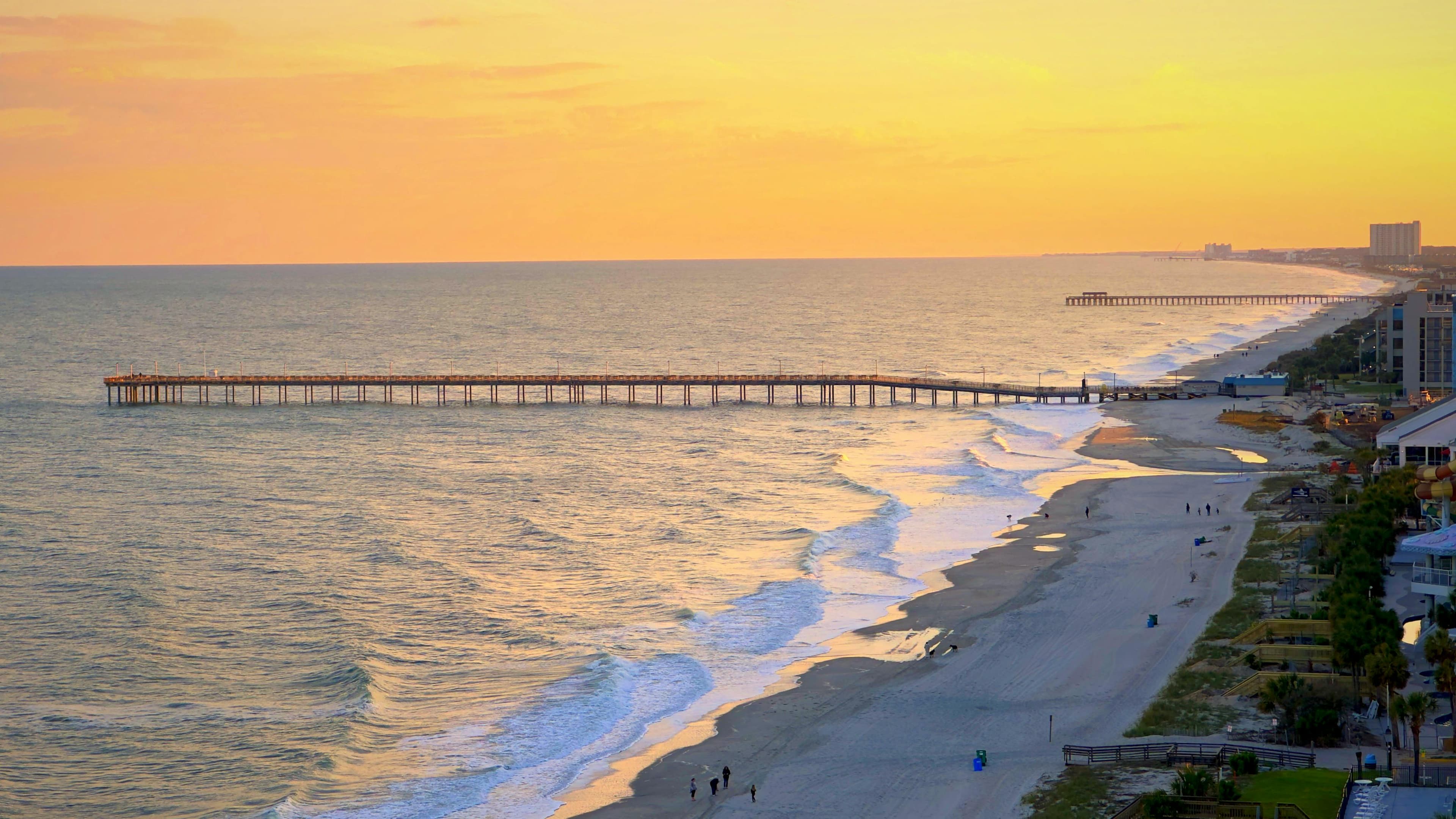
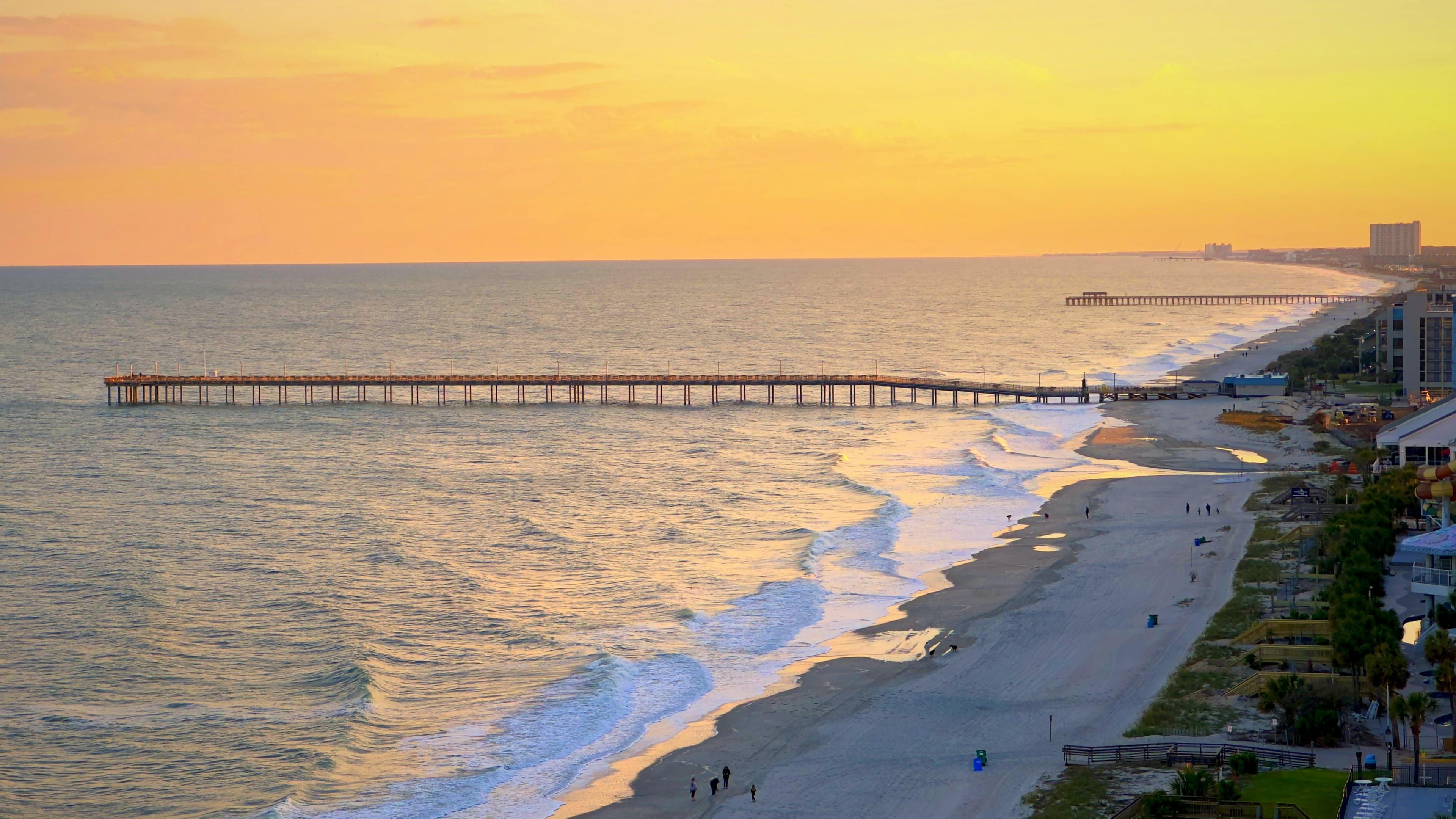
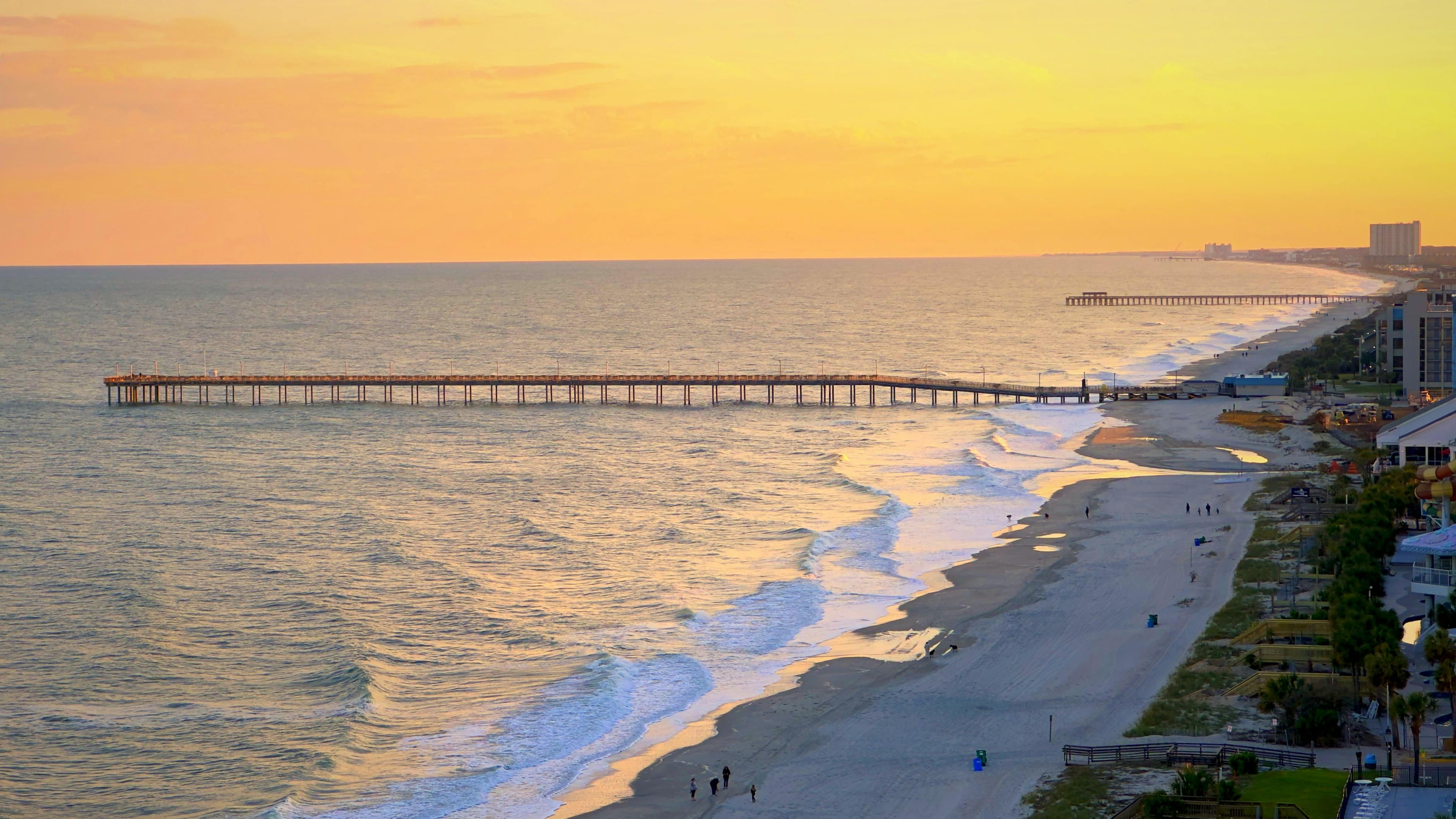
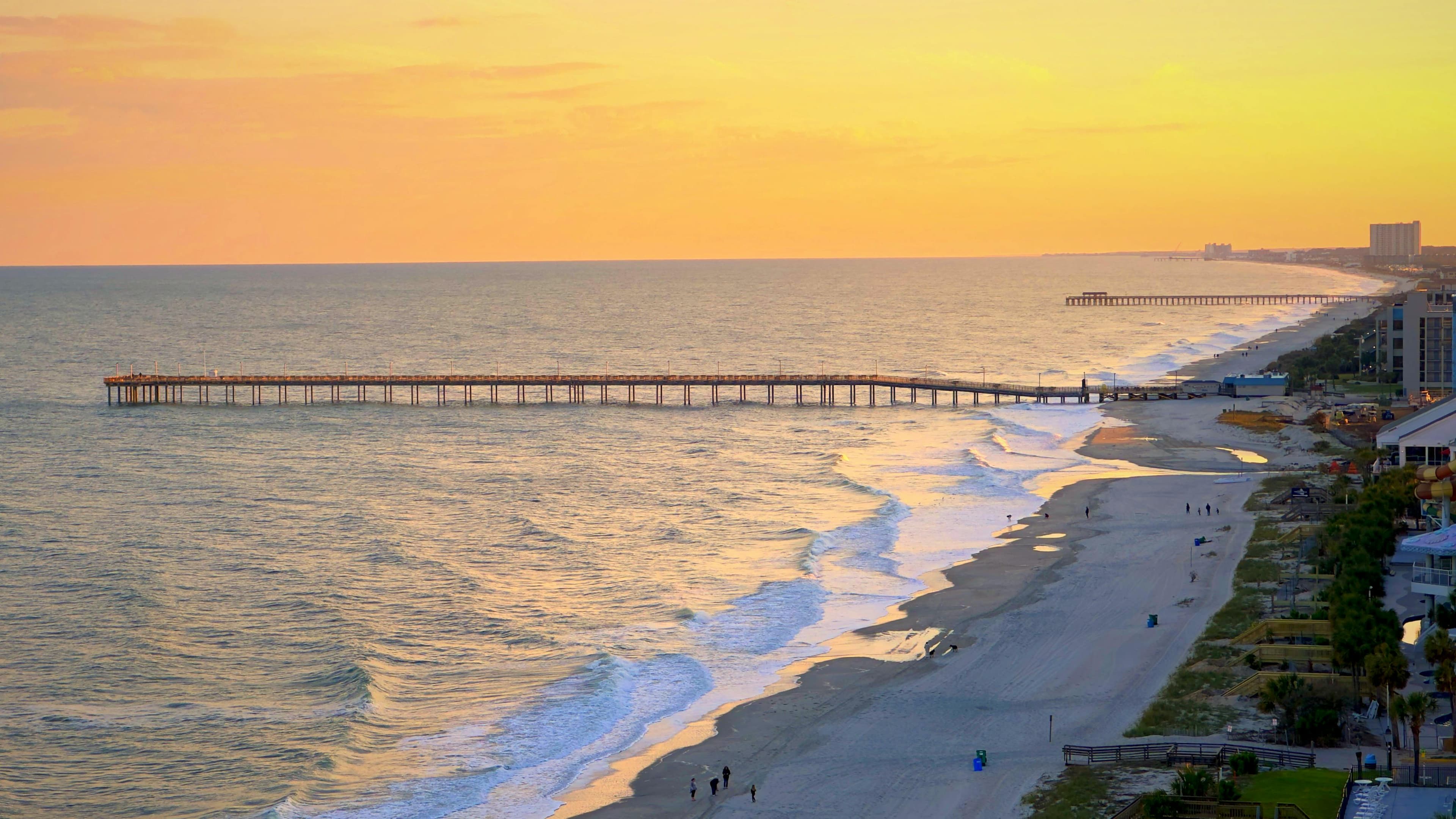
Sixty miles of coastline. More than eighty courses between Little River and Pawleys Island. The Grand Strand has operated as America's most concentrated golf destination for decades, and the volume of options creates a problem that few other destinations share: not which course to play, but which ones to skip. A four-day trip accommodates five or six rounds at most. Choosing poorly means burning a tee time on a forgettable layout when something significantly better was available for the same money, or only slightly more.
This guide organizes the Grand Strand's strongest courses by tier, based on design quality, conditioning, and the overall experience relative to price. The goal is practical. Every course included here has been evaluated on what it delivers on the ground, not on marketing spend or brand recognition.
Where to stay in Myrtle Beach
Planning the trip? Compare live prices across every nearby hotel and rental in one search.
Prices and availability from Booking.com, Expedia and others via Stay22. GolfTrailsHQ may earn a commission at no additional cost to you.
The Courses That Define the Destination
Four layouts on the Grand Strand operate at a level that would anchor any golf destination in the country. They are not interchangeable, and choosing among them depends on what a player values most.
Pine Lakes Country Club
Caledonia Golf & Fish Club
Caledonia Golf & Fish Club in Pawleys Island is where the conversation starts. Mike Strantz designed it in 1994 on a former rice plantation along the Waccamaw River, routing 18 holes through tidal marsh, mature hardwoods, and centuries-old live oaks without a single interior home in sight. At 6,526 yards and par 70, Caledonia plays shorter than its peers, but the slope of 138 reflects greens that reject anything less than a committed approach shot. The complimentary fish chowder at the turn is a small detail that captures the operation's character: curated without being pretentious. Green fees run $200 to $249.
True Blue Golf Club, Strantz's second contribution to the Grand Strand, sits just a few miles from Caledonia and operates under the same management. The two courses share an architect and a zip code, but little else. True Blue is the bolder design, built in 1998 on a former indigo plantation with vast waste areas, enormous greens that can exceed 10,000 square feet, and tee shots that demand commitment before revealing whether the decision was sound. At 7,060 yards with a slope of 139, it plays longer and more confrontationally than its sibling. Green fees of $150 to $196 make it the stronger value of the pair, and booking them on consecutive days provides the clearest available portrait of Strantz's range as a designer.
TPC Myrtle Beach, a Tom Fazio design from 1999 in Murrells Inlet, commands the highest green fees on the Grand Strand at $250 to $350. The premium buys conditioning maintained to TPC brand standards, a routing through Lowcountry wetlands with uncommon elevation change, and a pace-of-play culture that feels closer to a private club than a daily-fee operation. Whether the price differential over Caledonia or True Blue is justified depends on how much a player values operational polish and physical upkeep. Both are exceptional here.
The stretch from the 13th through the 16th is the strongest four-hole sequence on the coast.
Dunes Golf & Beach Club occupies its own category. Robert Trent Jones Sr. designed it in 1949, and it has earned the top Myrtle Beach ranking from Golf Digest, Golf Magazine, and Golfweek. Access requires more effort than the public courses above; as a semi-private facility, tee times are typically arranged through affiliated hotels, package providers, or direct contact with the club. Green fees run $200 to $300. The 13th, "Waterloo," a par 5 that doglegs sharply around Singleton Swash, remains one of the most discussed strategic holes on the East Coast after 75 years. Players who can navigate the booking process will find a course that has aged with rare grace.
The Upper Middle: Strong Design, Better Prices
Below the top tier, several courses deliver design quality and conditioning that outperform their green fees considerably.
Tidewater Golf Club sits on the Cherry Grove peninsula in North Myrtle Beach, where Ken Tomlinson's 1990 routing plays along the Intracoastal Waterway, across tidal marsh, and through coastal pine forest. The 12th and 13th, played from elevated bluffs above the Waterway, form as good a consecutive pair of holes as any on the Grand Strand. At $97 to $192, Tidewater competes with courses charging $50 to $100 more for a comparable experience. Shoulder season rates below $120 make it one of the smarter plays in the region.
Grande Dunes Resort Course, Roger Rulewich's 2001 design, stretches to 7,618 yards from the back tees, the longest layout on the Grand Strand. Five holes play along the Intracoastal Waterway. The course rewards big hitters who want to let the driver work, though multiple tee options scale the test appropriately for mid-handicaps. Green fees of $150 to $200 position it below TPC while delivering comparable waterfront exposure.
Barefoot Resort in North Myrtle Beach operates four courses by four designers on a single property. The Dye Course (Pete Dye, 7,343 yards) is the most demanding, built with railroad ties and visual intimidation. The Fazio Course (Tom Fazio, par 71) is the most refined, routed through quiet pine corridors. The Norman Course (Greg Norman, 7,200 yards) brings links-style ground-game golf to the Lowcountry. The Love Course (Davis Love III, 7,047 yards) is the most playable, designed so a 15-handicap leaves feeling the round was fair. All four are priced at $90 to $168, making a multi-day Barefoot stay one of the better group-trip values on the Grand Strand.
Courses Worth Knowing
The middle tier is where the Grand Strand's depth becomes apparent. These are not fallback options; several carry designer pedigrees and design features that would headline a thinner destination.
King's North at Myrtle Beach National, Arnold Palmer's 1973 design renovated in 2025, plays at 7,017 yards with an island-green par 3 on the 6th that delivers genuine drama at a fair price of $80 to $140. The renovation modernized every green complex without abandoning the welcoming width that made the course a Grand Strand staple.
Pawleys Plantation is the only Jack Nicklaus Signature Course in the greater Myrtle Beach corridor, threaded through salt marsh and live oaks along the Waccamaw Neck. The marsh functions as a primary strategic element on at least eight holes. Green fees of $150 to $225 reflect the Nicklaus name, though the course earns its rate through the quality of the marsh-side routing.
Tip
Legends Resort provides two courses with distinctive identities at resort pricing. Heathland, an early Tom Doak design from 1990, plays as a treeless, wind-exposed links experiment at $65 to $93. Moorland, P.B. Dye's contribution, delivers the railroad ties and pot bunkers the Dye family is known for at the same price range. Both are honest courses that punch above their weight.
Arcadian Shores, a Rees Jones design from 1974, has aged into a mature, tree-lined layout where conditioning has quietly improved in recent years. At $60 to $100, it represents one of the more satisfying rounds per dollar on the Strand. Rivers Edge, an Arnold Palmer Signature design along the Shallotte River with a slope of 149, offers serious challenge at $70 to $120.
Value Plays That Earn Their Tee Time
Budget-conscious does not have to mean compromised. Several Grand Strand courses deliver quality golf below $80.
Beachwood Golf Course in North Myrtle Beach carries the lowest slope rating on the Grand Strand at 120, designed by Gene Hamm in 1968 for playability rather than punishment. At $40 to $79, it is the right course for mixed-ability groups, seniors who prefer to walk, or anyone who wants a round without financial anxiety. Crow Creek, designed by former Nicklaus associate Rick Robbins, offers 7,100 yards of smart architecture at $45 to $79 in the Calabash corridor. Myrtlewood PineHills, an Arthur Hills redesign in central Myrtle Beach, sits at $50 to $80 with generous greens and a location that minimizes drive time from the main hotel strip.
Pine Lakes Country Club, the oldest course on the Grand Strand, deserves mention in any context. Robert White designed the original layout in 1927, and the plantation-style clubhouse and complimentary clam chowder at the turn connect the player to a time when Myrtle Beach was a small coastal town rather than a golf-industrial complex. At $60 to $120 and par 70, the course asks for accuracy and touch over distance.
It is not the most challenging round on the Strand, but it may be the most historically resonant.
Building the Right Itinerary
For a detailed look at trip planning, accommodations, and logistics, the Myrtle Beach destination guide covers the full picture. But the course selection itself deserves a closing thought.
The temptation on a Myrtle Beach trip is to play as many rounds as possible, stacking tee times and chasing volume. A sharper strategy is to anchor the trip around two or three top-tier courses and fill the remaining rounds with mid-tier layouts that match the group's temperament. A foursome that plays Caledonia, True Blue, and Tidewater across three days has experienced the best of what this coastline produces. Adding a Barefoot Resort day or a round at King's North fills the trip without diluting quality. The courses that linger in memory after the drive home are rarely the ones booked because they were available.