The destination
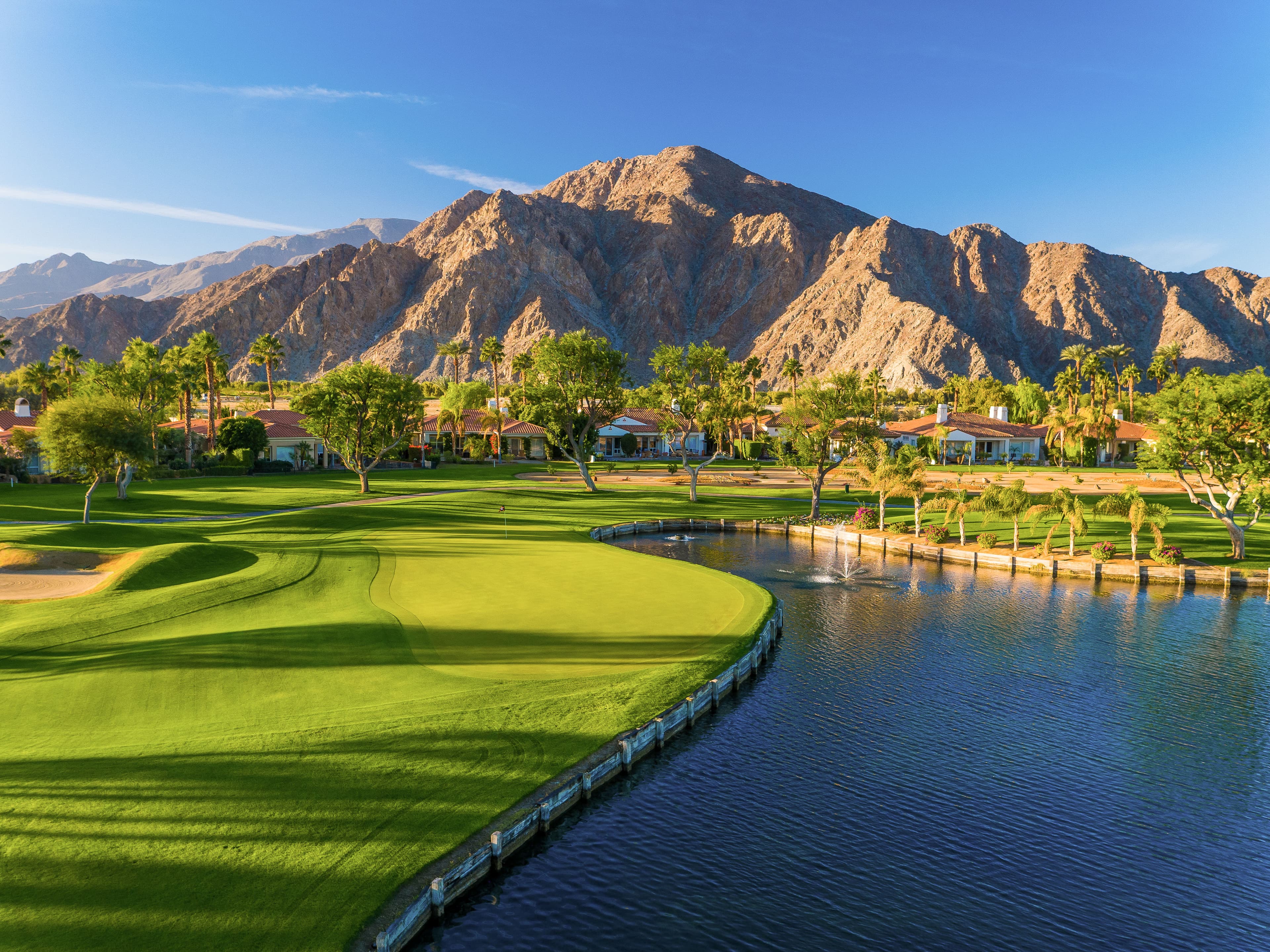
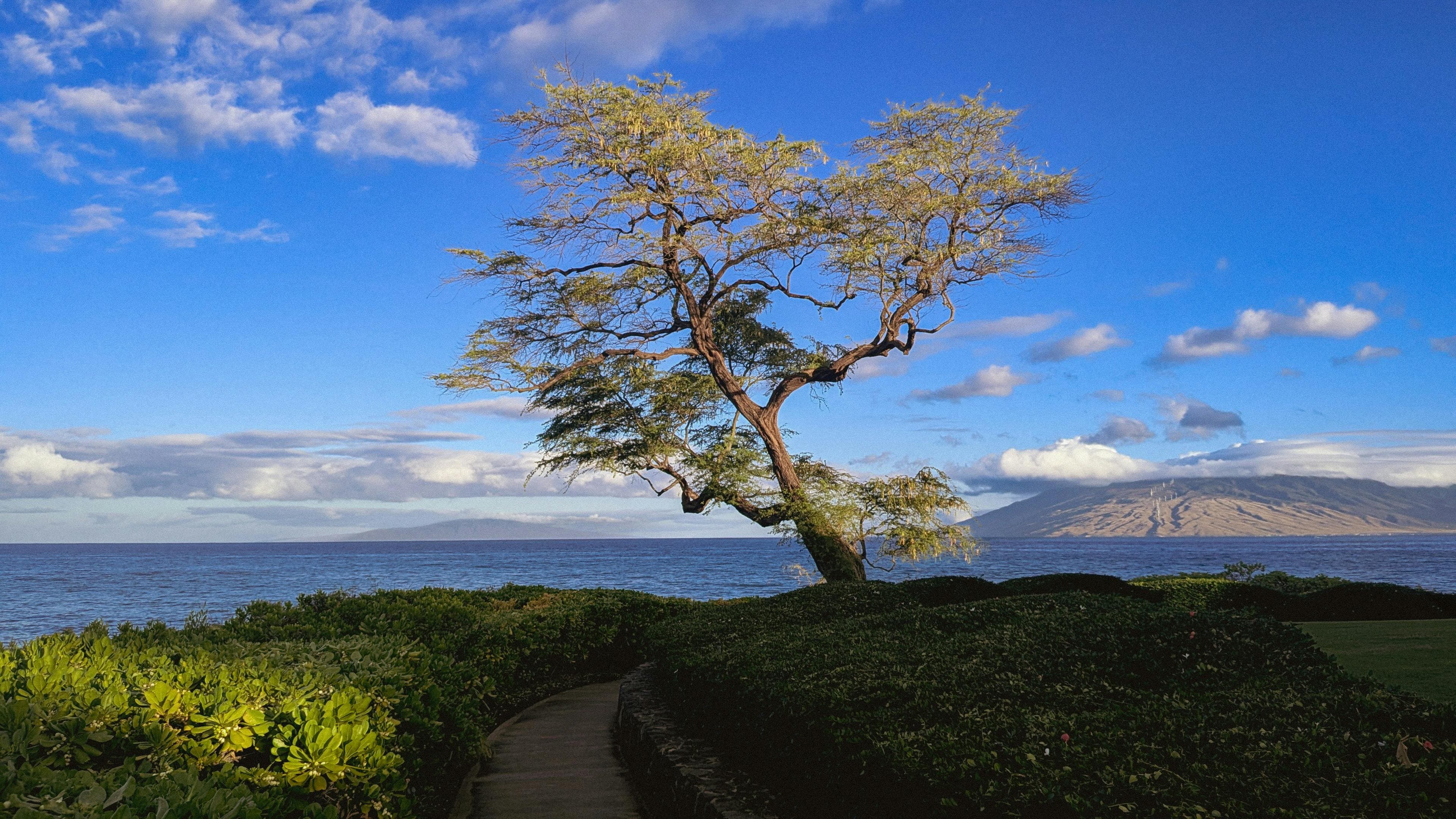
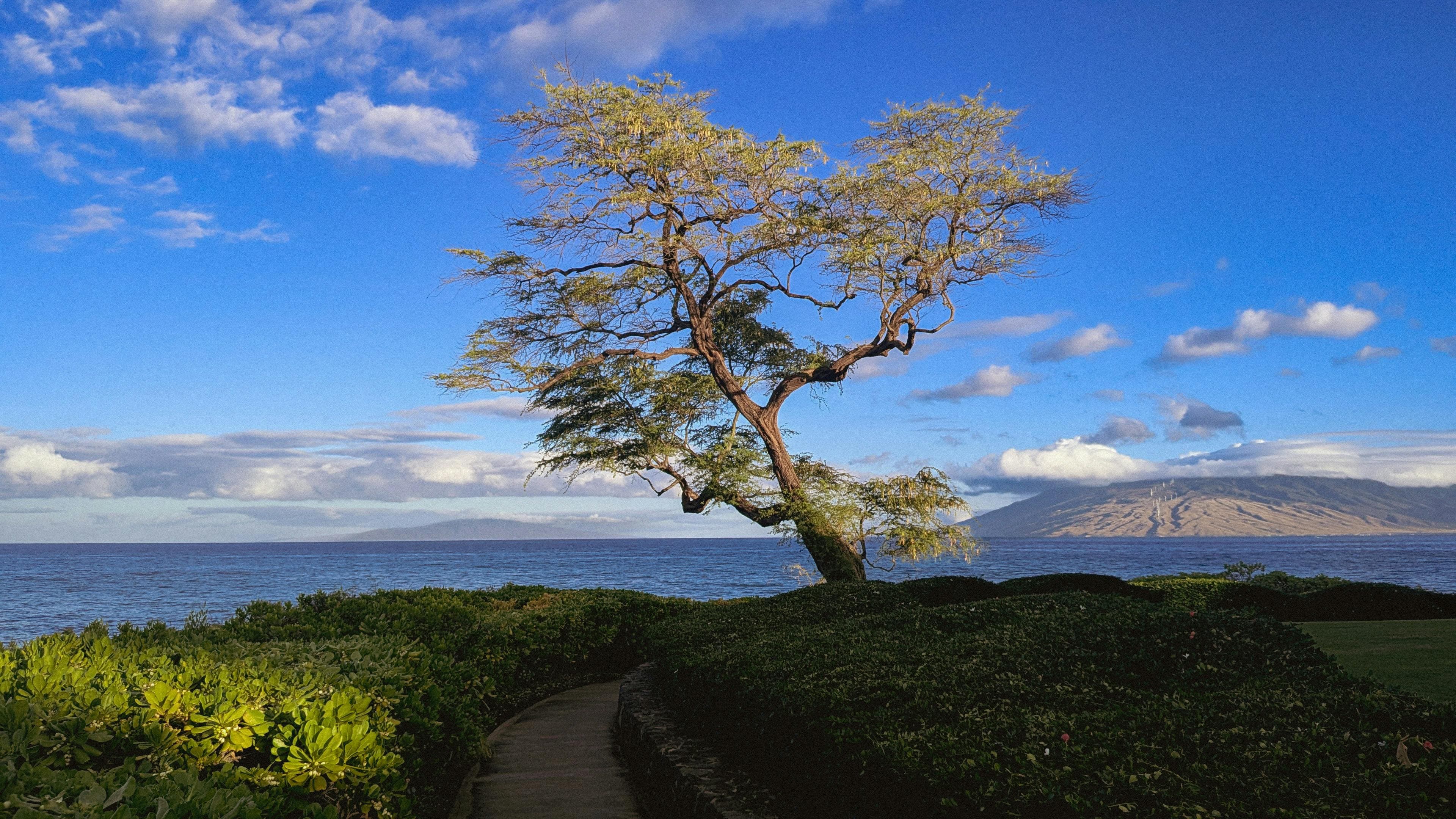
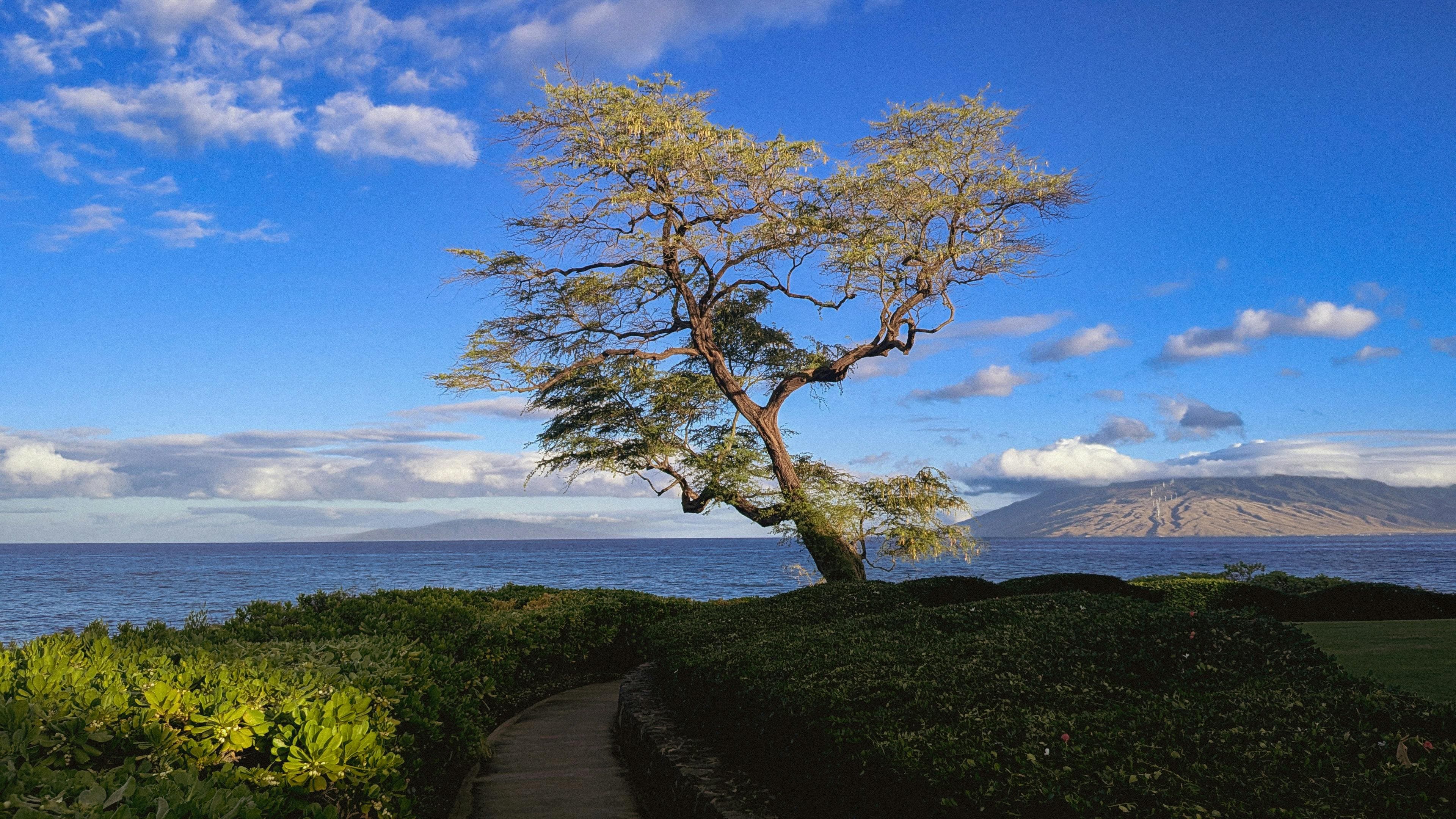
Hawaii is not a value golf destination. The flight is long. The green fees, once you arrive, are higher than the mainland average by a comfortable margin. The rental car, essential on both islands, will cost more than you expect during peak season. None of this has slowed the steady procession of golfers who make the trip and come back convinced it was worth every logistical inconvenience. You are visiting a place where courses are built on volcanic ridgelines that drop toward the Pacific, where lava fields run alongside fairways, and where the trade winds keep coastal temperatures between 80 and 88 degrees year-round.
The golf is distributed across two islands, each with a distinct character. Maui concentrates its best courses in two clusters: Kapalua on the northwest tip, where the PGA Tour plays The Sentry each January, and Wailea in the south, where two Robert Trent Jones Jr. courses occupy a slope of Haleakala with unobstructed ocean views. The Big Island anchors its golf along the Kohala Coast on the dry, sun-drenched western shore, where courses route through ancient lava fields and the ocean is never more than a few holes away. The two islands are connected by a 35-to-45-minute inter-island flight, which makes a two-island trip logistically straightforward if not exactly simple.
Where to stay in Hawaii (Maui / Big Island)
Live prices from Booking.com, Expedia and more — every nearby hotel and rental in one search.
Prices and availability from Booking.com, Expedia and others via Stay22. GolfTrailsHQ may earn a commission at no additional cost to you.
The courses
Kapalua's Plantation Course stands at the top. Bill Coore and Ben Crenshaw redesigned it in 2019, and the course plays 7,596 yards across volcanic ridgelines above the Pacific on Maui's northwest coast. It hosts the PGA Tour's The Sentry each January, and the combination of dramatic elevation changes, wide fairways that reward strategic positioning, and ocean views from nearly every hole makes it the strongest argument for playing golf in Hawaii. The green fee of $445 to $546 reflects the pedigree.
The premium tier holds two Big Island courses that predate the modern era of resort golf. Robert Trent Jones Sr. designed Mauna Kea Golf Course in 1964, effectively pioneering destination golf in Hawaii. The course plays 7,370 yards across rugged lava terrain with panoramic views of both the ocean and Mauna Kea's snow-capped peak. Mauna Lani's South Course, redesigned by Nelson and Haworth in 1991, routes through ancient lava fields with six oceanfront holes along the Kohala Coast. Both run $195 to $325, which sits below the Plantation Course but above mainland averages for resort golf of this caliber.
Wailea's Gold and Emerald courses, both Robert Trent Jones Jr. designs from 1994, occupy the mid-range tier with ocean views from every hole on the slope of Haleakala. The Gold is the more demanding layout, routing through natural lava outcroppings; the Emerald provides wider fairways and more forgiving angles. Green fees at both run $199 to $285. Kapalua's Bay Course, Arnold Palmer's 1975 design, features the iconic 17th hole playing directly over the ocean, with whale-watching opportunities from the fairways during the December through April season.
When to go
The year-round playability is real, but the seasons shape the trip. Peak runs December through March, when mainland winter drives demand, whale watching is in full swing, and rates reach their annual maximum. Shoulder months of April, May, October, and November offer the best combination of weather, pricing, and availability, with rates dropping meaningfully while conditions remain excellent. Summer (June through September) brings the warmest temperatures and the lowest tourist volume, particularly from the mainland, though the heat remains comfortable by any reasonable standard.
Getting there
Kahului Airport (OGG) on Maui and Kona International (KOA) on the Big Island are the gateways. From the West Coast, expect a five-hour flight; from Chicago or Dallas, eight hours or more. A rental car is essential on both islands. The two-island option requires a 35-to-45-minute inter-island flight, which is straightforward but adds a half-day of travel logistics on either end of the move.
The companion question
Hawaii solves the non-golfer problem more convincingly than any other destination in this guide. The Road to Hana, with its 617 curves, 59 bridges, waterfalls, and black sand beaches, is a full-day experience that rivals any single round of golf for lasting impression. Snorkelling at Molokini Crater provides access to a partially submerged volcanic reef with more than 250 fish species. Hawai'i Volcanoes National Park, a UNESCO World Heritage Site on the Big Island, offers active volcanoes, lava tubes, and steam vents. A luau at a quality venue delivers a cultural experience that has no mainland equivalent. The golfer plays courses set against volcanic ridgelines and Pacific horizons. The companion explores waterfalls, coral reefs, and active volcanoes. Both parties return to the resort in the evening convinced they had the better day. Five to seven nights is the right window. The flight is long. The green fees are high. The trip is worth taking.