Charity Golf Tournament Destinations
The charity golf tournament is the rare event that must simultaneously raise money, entertain donors, showcase an organisation, and deliver a round of golf that participants consider worth their entry fee. Most charity tournaments take place at local clubs within driving distance of the donor base, and this makes sense for the majority of organisations. But for the charity that wants to elevate its tournament into a destination event, one where the golf itself becomes the draw and the fundraising benefits from the exclusivity of the setting, a handful of destinations deliver the combination of course quality, event infrastructure, and logistical competence that these events demand.
What Makes a Destination Work for Charity Events
Three factors separate a good charity tournament venue from a merely adequate one.
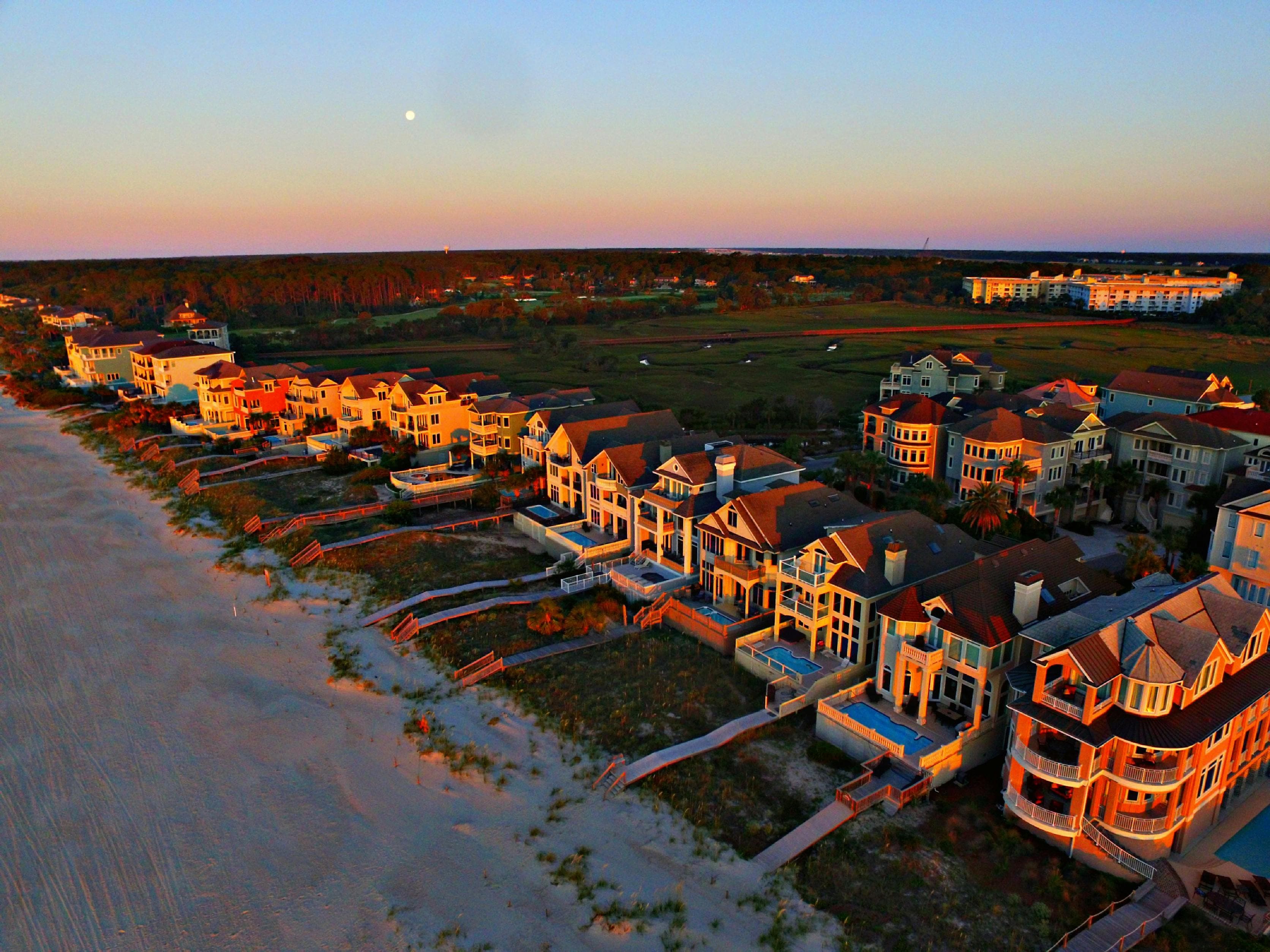
Harbour Town Golf Links
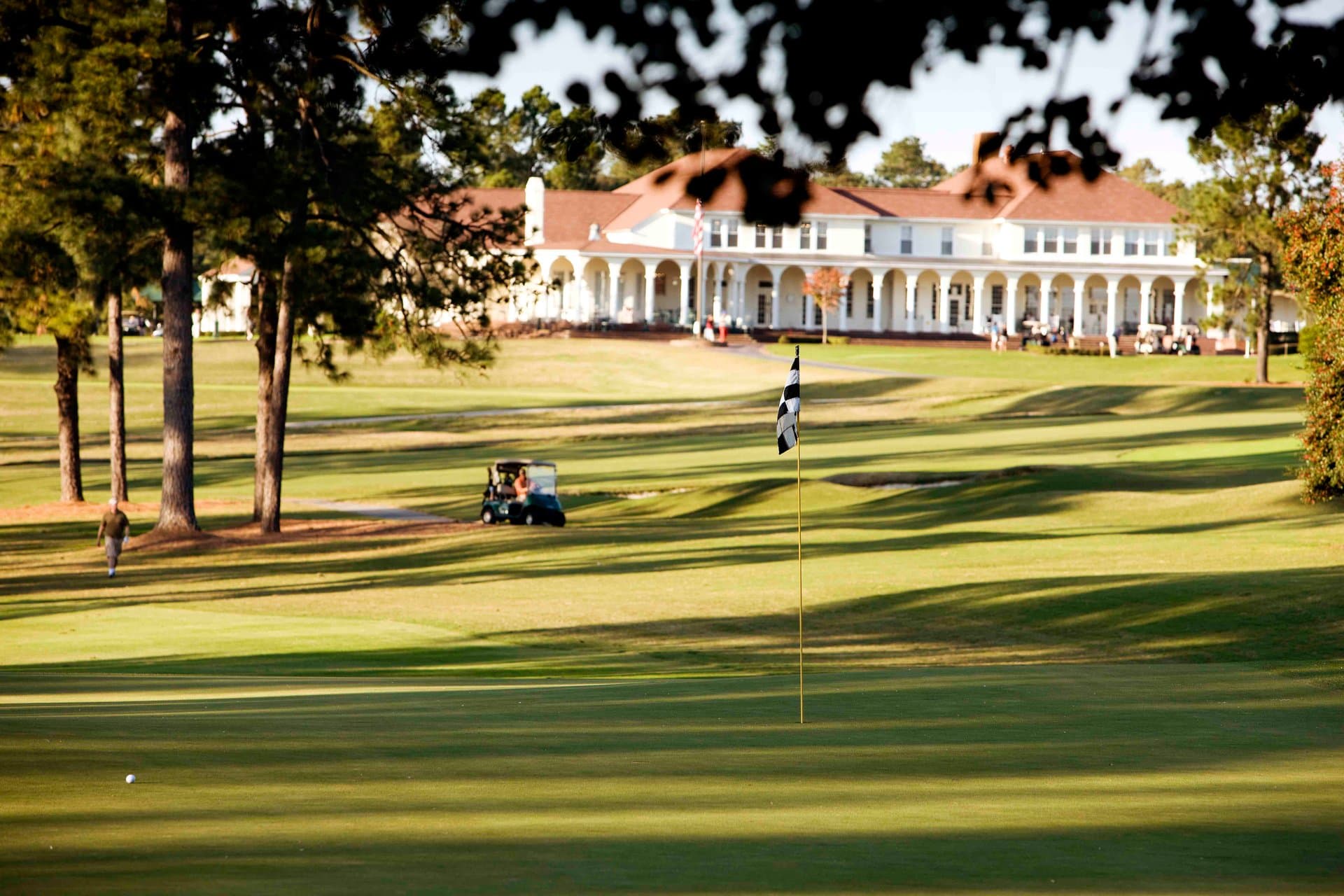
Pinehurst No. 2
Event infrastructure. The course needs a clubhouse or pavilion that seats your group for dinner, a registration area, a practice range, and staff experienced in tournament operations. This sounds basic, but many top-ranked courses are designed for daily-fee play and lack the event spaces that a charity tournament requires. Resort courses, by contrast, are built with events in mind. On-site banquet facilities, AV equipment, and event coordinators who have managed hundreds of tournaments reduce the organisational burden on the charity's staff.
Course buyout availability. A charity tournament requires exclusive access to the course for at least half a day, and most courses offer buyout windows on weekday mornings or shoulder-season weekends. Buyout pricing varies dramatically: $15,000 to $30,000 for a mid-range resort course, $40,000 to $100,000 for a premium or bucket-list venue. The buyout cost is the single largest line item in a destination charity tournament budget and should be confirmed before any other planning proceeds.
Destination appeal. The entry fee for a destination charity tournament includes an implicit travel commitment, which means the venue must be compelling enough to justify the trip. Participants are simultaneously donors, golfers, and travellers. The destination needs to satisfy all three roles.
Destinations That Deliver
Pinehurst, North Carolina. Pinehurst is the gold standard for charity golf events because the resort's event infrastructure has been refined over more than a century of tournament hosting. The resort offers dedicated tournament coordinators, multiple course options for buyouts (No. 2 commands the highest premium, while courses 4, 8, and 9 offer more accessible pricing), and on-property accommodation that keeps the entire group within walking distance of the course and the evening programme. The Carolina Hotel's ballroom seats large groups for dinner, and the village setting provides a natural gathering environment between rounds and events. A charity tournament at Pinehurst No. 2 carries a weight of prestige that elevates the entry fee and, by extension, the fundraising total.
Kiawah Island, South Carolina. Kiawah offers the Ocean Course for organisations willing to invest in a premium venue, and Osprey Point or Turtle Point for those seeking strong resort courses at a more manageable buyout cost. The Sanctuary hotel provides the event space for dinner and auction, and the island setting creates a sense of occasion that a suburban country club cannot replicate. Charleston, a 45-minute drive north, adds an optional evening programme for participants who extend their stay.
The combination of course pedigree and resort infrastructure makes Kiawah one of the strongest destination tournament venues on the East Coast.
Scottsdale, Arizona. Scottsdale is the right destination for charity tournaments held between November and April, when the weather is reliably clear and the desert setting photographs beautifully for post-event marketing materials. TPC Scottsdale's Stadium Course, home of the WM Phoenix Open, carries instant name recognition that helps sell entry fees. Grayhawk Golf Club has hosted the NCAA Championships and offers strong event facilities. The depth of the hotel market in Scottsdale means accommodation for 60 to 120 participants is straightforward, and the dining scene supports pre-tournament welcome dinners and post-round awards ceremonies at restaurants that reinforce the event's quality.
Hilton Head Island, South Carolina. Hilton Head's Sea Pines Resort, centred on Harbour Town Golf Links, provides the recognisable lighthouse backdrop that gives a charity tournament its visual identity. The resort's conference and banquet facilities handle groups of 40 to 200, and the island's relaxed pace encourages participants to extend their stay, which often produces additional donations at the evening event. Palmetto Dunes offers a more affordable alternative with three courses and its own resort infrastructure.
Pebble Beach, California. Pebble Beach is the charity tournament destination for organisations with deep-pocketed donors and the budget to match. A buyout of Pebble Beach Golf Links is among the most expensive in the country, but the return is commensurate: participants will attend because it is Pebble Beach, and they will pay an entry fee that reflects the exclusivity. The Lodge's event spaces, the Pebble Beach Resorts events team, and the Monterey Peninsula setting create a tournament experience that participants discuss for years. This is not the venue for a first charity tournament. It is the venue for the organisation that has outgrown local courses and wants its event to compete for donors' attention at the highest level.
Planning and Budget Framework
A destination charity tournament budget breaks into four categories.
Course buyout and golf operations (40 to 50 percent of total budget): buyout fee, range balls, cart rental, scorecards, on-course beverages, marshals, and starter coordination. Request a detailed proposal from the course rather than assembling components individually.
Accommodation and travel (20 to 30 percent): negotiate a group rate with the host resort or nearby hotels. A room block of 40 to 80 rooms at a negotiated group rate, typically 10 to 20 percent below rack rate, ensures participants have a straightforward booking process.
Evening programme (15 to 20 percent): venue rental, dinner, auction setup, AV equipment, and entertainment. On-resort venues save transportation logistics and keep the group together.
Marketing and administration (5 to 10 percent): invitations, signage, gifts, prizes, and the administrative overhead of registration, handicap verification, and scoring.
The entry fee should cover the participant's direct costs (golf, dinner, gifts) with a meaningful surplus that constitutes the charitable donation. A typical structure: $500 to $1,500 per person for a mid-range destination event, $2,000 to $5,000 for a premium venue. The surplus, after costs, represents the tournament's fundraising yield.
Making It Recur
A venue that participants look forward to returning to, where the experience improves incrementally each year as the organiser and the course staff develop a working relationship, creates a self-reinforcing cycle. Participants return because the event is good. The event gets better because the same participants return.
The most successful charity tournaments become annual events, and the destination plays a central role in sustainability.
The verdict