10 Best Island and Waterfront Golf Courses
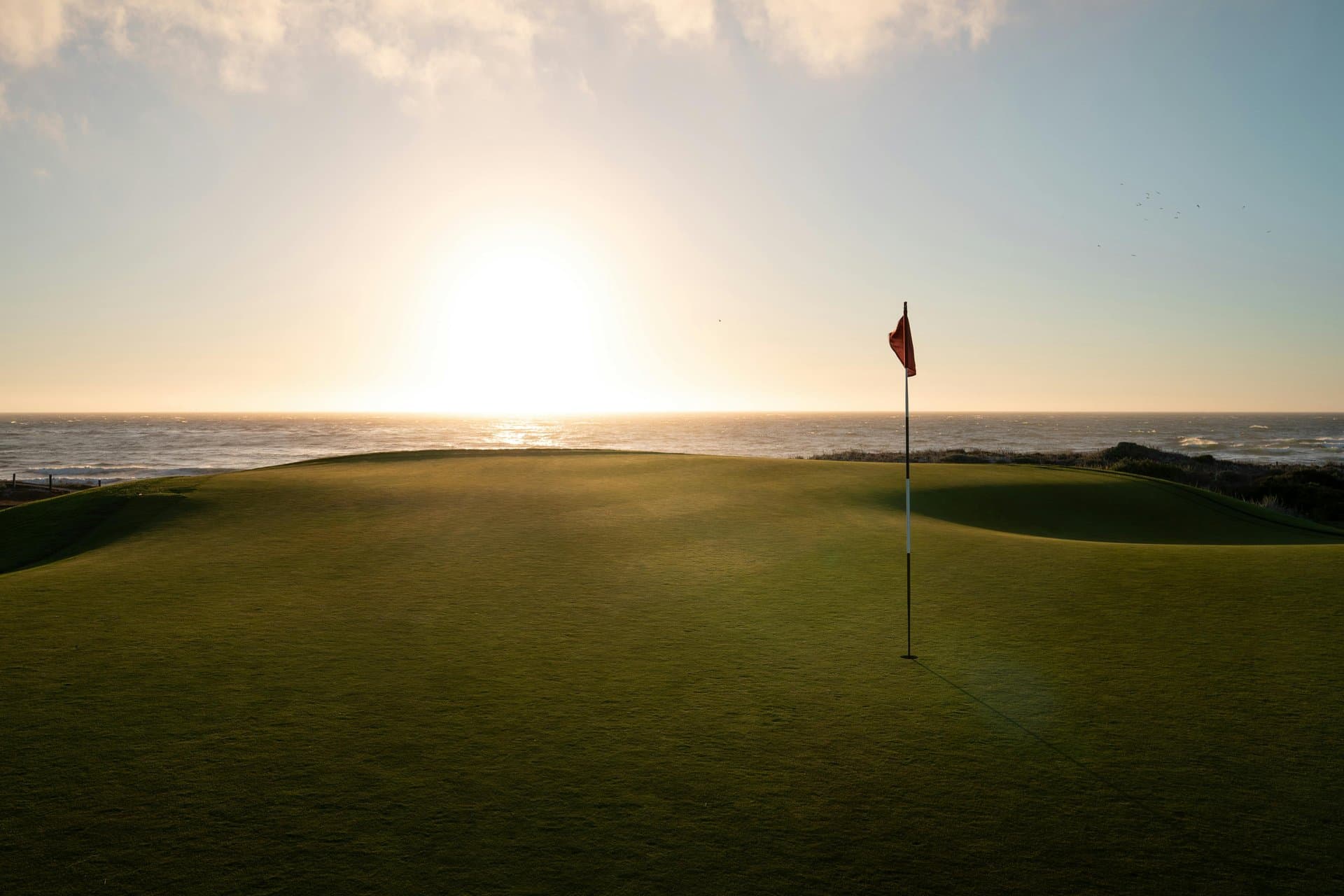
Water changes golf. Not just as a hazard, which is how most courses treat it, but as an atmospheric presence that alters wind patterns, light, and the psychological weight of every shot played near it. The courses on this list sit on islands or alongside significant bodies of water, and the water is not incidental to the experience. It defines it: shaping the wind, framing the views, and creating the conditions that make these courses play differently from anything inland.
1. The Ocean Course at Kiawah Island, South Carolina
Pete Dye's design occupies a barrier island between the Atlantic and the tidal marsh, with every hole offering a view of water. The Ocean Course was raised onto sand ridges during construction to maximize the ocean exposure, a decision that also maximized the wind exposure. The marsh side of the course provides quieter beauty: egrets, oyster beds, and the golden light on spartina grass at sunset.
The result is the most wind-affected course in American championship golf.
2. Pebble Beach Golf Links, Pebble Beach, California
Nine holes along Pacific cliffs, with the ocean actively in play on approach shots that carry across rocky chasms. Pebble Beach is the reference point for waterfront golf in America. The 18th, curving along the rocky shoreline, is one of the great closing holes in the game, and the sound of waves breaking against the rocks below is the soundtrack for the entire round.
3. Harbour Town Golf Links, Hilton Head Island, South Carolina
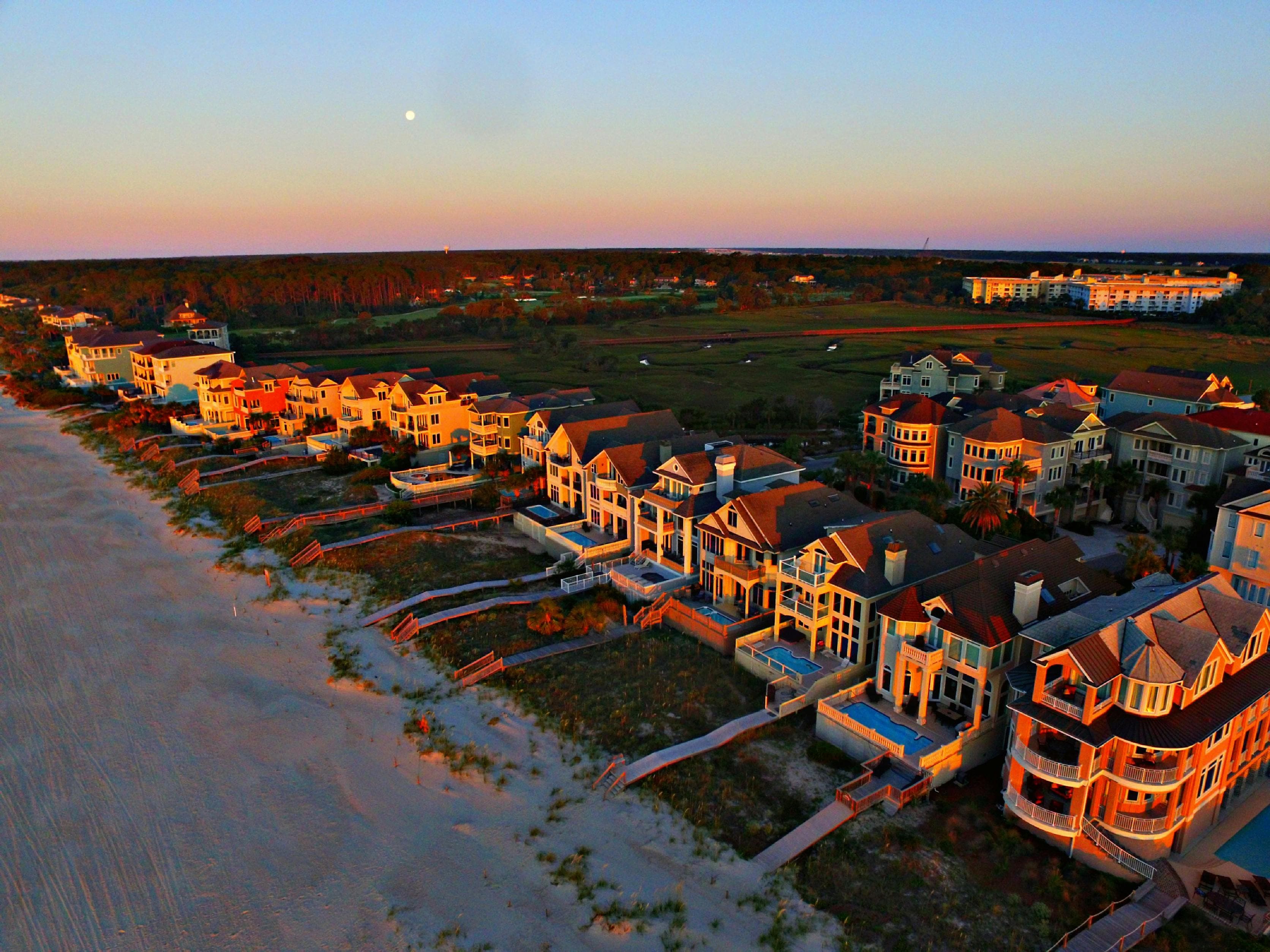
Harbour Town sits on Hilton Head Island in the Sea Pines resort, with the closing holes playing along Calibogue Sound. The 18th, a par 4 that curves toward the lighthouse with the sound as backdrop, is one of the most photographed finishing holes in golf. The island setting keeps the humidity constant and the breezes present, and the live oaks that frame the interior holes create a microclimate distinct from the waterfront stretches.
4. Kapalua Plantation Course, Maui, Hawaii
Kapalua occupies the slopes of the West Maui Mountains above the Pacific, with the Pailolo Channel and the island of Molokai visible in the distance. The volcanic coastline provides a backdrop unlike anything on the mainland, and the trade winds that sweep across the exposed slopes add a strategic variable that changes with the season. The 18th, a sweeping downhill par 5 toward the ocean, is one of the great finishing holes in island golf.
5. Edgewood Tahoe, Stateline, Nevada
6. Wild Dunes Resort (Links Course), Isle of Palms, South Carolina
Tom Fazio's design on the Isle of Palms near Charleston plays along the Atlantic on the closing holes, where the beach and the ocean are immediate neighbours to the fairway. The course has been rebuilt after hurricane damage multiple times, which is itself a statement about the relationship between island golf and the water that surrounds it. The 17th and 18th, exposed to the ocean wind, provide a dramatic finishing sequence.
7. Coeur d'Alene Resort Golf Course, Coeur d'Alene, Idaho
The floating green on the par 3 14th is the headline, but the broader lakefront routing provides waterfront golf of a different character: freshwater, mountain-framed, and serene in a way that ocean courses rarely achieve. Lake Coeur d'Alene provides the backdrop for multiple holes, and the boat ride to the floating green adds a theatrical element unique in American golf.
8. Atlantic Dunes at Sea Pines, Hilton Head Island, South Carolina
Davis Love III's redesign restored the ocean views that the original course had lost over decades. The result is a Hilton Head course that engages with the Atlantic more directly than any layout on the island outside of Harbour Town's finishing stretch. The dune ridges and maritime landscape create a visual connection to the water that the interior courses on the island cannot match.
9. Bay Harbor (Links/Quarry/Preserve), Bay Harbor, Michigan
Arthur Hills designed Bay Harbor on the shores of Little Traverse Bay in northern Michigan, with the Links nine playing along the Lake Michigan shoreline. The quarry and preserve nines provide contrast, but the links nine, with its waterfront holes overlooking the bay and the limestone cliffs, is the reason golfers travel to Bay Harbor. The Great Lakes waterfront provides a freshwater coastal experience that rivals the salt-water courses on this list.
10. Mauna Lani (South Course), Kohala Coast, Big Island, Hawaii
The South Course at Mauna Lani plays through black volcanic rock with the Pacific Ocean as a constant presence. The par 3 15th, played across a lava inlet to a green surrounded by volcanic rock and ocean, is one of the most dramatic island holes in American golf.
The volcanic landscape provides a visual context that no other waterfront course can replicate: black rock, green turf, blue water, and the enormous sky above the Kohala Coast.
The Water Effect
Island and waterfront courses share a quality that inland courses cannot manufacture: consequence. The ball that leaves the property on a waterfront course is truly gone, which sharpens decision-making in ways that tree-lined fairways do not. The wind off the water is unpredictable and ever-present, which rewards the golfer who can adjust mid-round. And the visual presence of water on every hole creates a psychological pressure that statistics cannot capture. The best island courses use this pressure as a design tool, and the golfer who embraces it will find the experience more rewarding than any inland round.
Harbour Town Golf Links