The Best Coore and Crenshaw Courses
Bill Coore and Ben Crenshaw have become the most influential golf course design partnership in America by doing less. Their philosophy is minimalist in the architectural sense: move as little earth as possible, follow the natural contours of the land, and create strategic options rather than mandated shot shapes. The result is courses that feel as though they have existed for decades, even when they were built within living memory. The artistry is invisible, which is the point. A Coore and Crenshaw course does not announce itself. It reveals itself over multiple rounds, rewarding the golfer who pays attention.
1. Sand Valley, Nekoosa, Wisconsin
The course that anchors the Sand Valley resort occupies glacial sand deposits in central Wisconsin, and the terrain provides the firm, fast playing surfaces that Coore and Crenshaw's design philosophy requires. The fairways are wide, the bunkers are natural, and the green complexes reward approach shots played along the ground as much as those played through the air. Sand Valley is the purest expression of the Coore and Crenshaw method: the sandy terrain did the heavy lifting, and the architects simply found the golf within it.
2. Bandon Trails, Bandon, Oregon
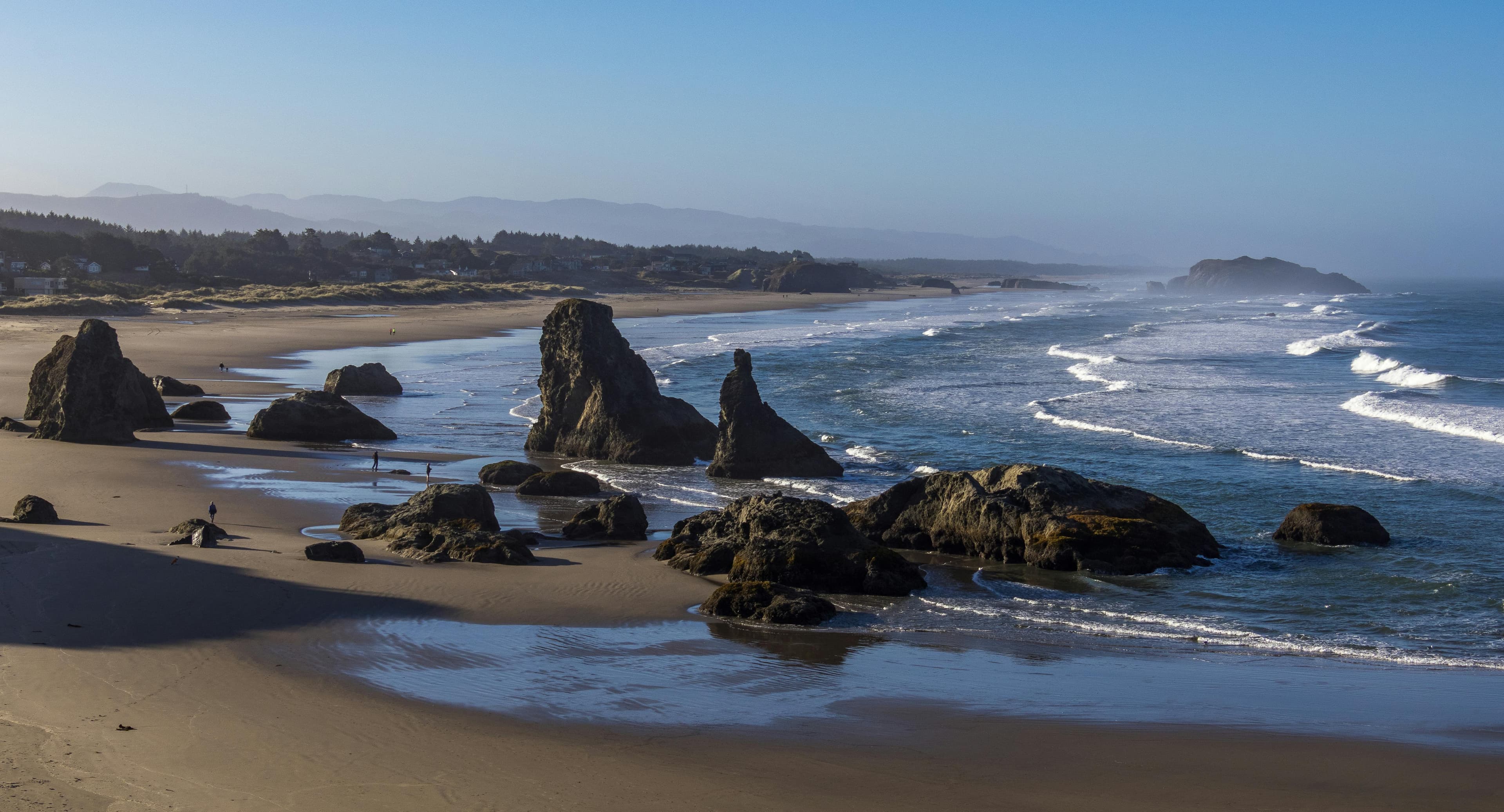
The inland course at Bandon Dunes, winding through coastal forest before emerging onto open dunes with sudden ocean views. The contrast between the forested holes and the exposed dune holes creates a visual and strategic rhythm that the purely coastal courses do not attempt. The 12th through 16th sequence, moving from forest to dunes to ocean views, is one of the finest transitions in American golf.
Bandon Trails is less celebrated than Pacific Dunes or Sheep Ranch, but it may be the most satisfying Coore and Crenshaw design at the resort.
3. Sheep Ranch, Bandon, Oregon
Sheep Ranch represents the extreme of the Coore and Crenshaw philosophy: minimal intervention on land that needed almost none. The course plays as a conversation between golfer and wind, with the architects providing the stage and the elements providing the drama. Sheep Ranch is the Coore and Crenshaw course for the golfer who wants to understand what minimalism means at its most radical.
The most exposed course at Bandon, with no trees, no formal bunkers, and the Pacific as a constant presence.
4. We-Ko-Pa (Saguaro Course), Fort McDowell, Arizona
The Saguaro Course on the Fort McDowell Yavapai Nation is Coore and Crenshaw in the desert, and the translation is seamless. Wide fairways follow the natural terrain, the desert vegetation serves as the primary hazard, and the mountain views provide the visual frame. We-Ko-Pa Saguaro demonstrates that the minimalist approach works in any landscape, not just on sandy coastal dunes. The green fee, significantly lower than comparable Scottsdale courses, makes it one of the best values in Arizona golf.
5. Ozarks National, Ridgedale, Missouri
Coore and Crenshaw's walking-only design at Big Cedar Lodge proves that the minimalist philosophy translates to the Ozark hills as effectively as it does to the coast or the desert. The course routes through native grasses, limestone outcrops, and rolling terrain with an effortless quality that conceals the design decisions behind it. Ozarks National is the sleeper in the Coore and Crenshaw portfolio: underrated nationally because of its location, exceptional in execution.
6. Omni Barton Creek (Coore/Crenshaw Course), Austin, Texas
Crenshaw's home course in the Texas Hill Country, designed with Coore on terrain that provides the elevation changes and limestone features that Hill Country golf is known for. The course sits alongside two Tom Fazio designs at the Barton Creek resort, and the contrast is instructive: where Fazio shapes the land to fit the design, Coore and Crenshaw shape the design to fit the land. The result is a course that feels more natural and less manicured than its neighbours.
7. Talking Stick (North Course), Scottsdale, Arizona
A flat, links-style course on the Salt River Pima-Maricopa Indian Community in Scottsdale. Coore and Crenshaw designed the North Course with minimal rough, wide fairways, and greens that accept the ground game. The design is deceptively simple: the strategic options on each hole are visible but the correct choice depends on wind, pin position, and the golfer's ability to control trajectory. Talking Stick North is the Coore and Crenshaw course that most golfers can afford to play regularly, and it improves with every round.
8. Kapalua Plantation Course (renovation), Kapalua, Maui, Hawaii
Coore and Crenshaw renovated the Plantation Course at Kapalua, adding width and restoring strategic options that the original design had lost over time. The renovation respected the existing routing while applying the minimalist principles that define their original designs. Kapalua Plantation Course in its renovated form is wider, more strategic, and more interesting than the pre-renovation version, which is the best compliment a renovation can receive.
9. Pinehurst No. 2 (restoration), Pinehurst, North Carolina
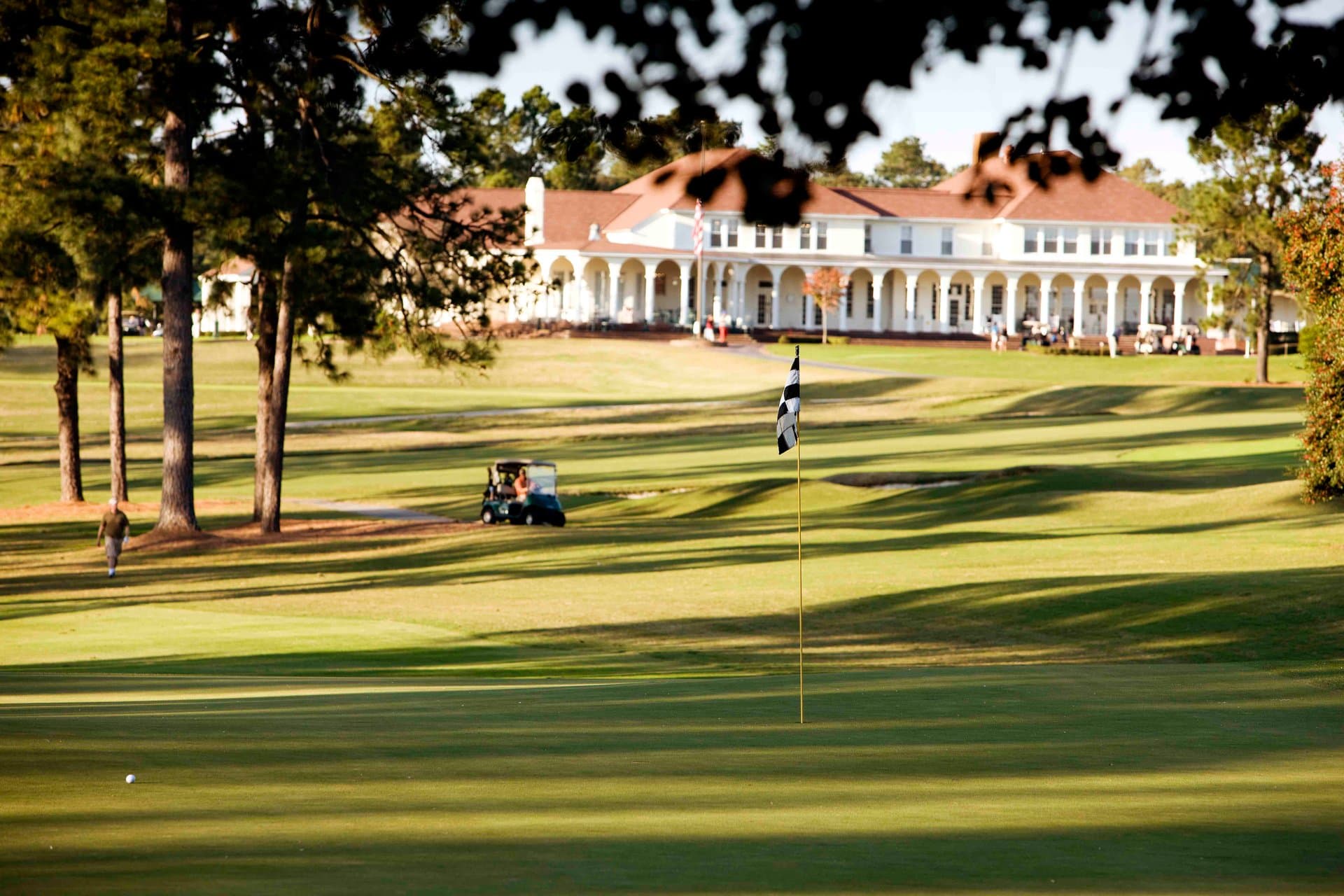
Coore and Crenshaw's 2011 restoration of Pinehurst No. 2 stripped away decades of accumulated rough, removed artificial hazards, and returned Donald Ross's masterpiece to its original sandy, wide-open character. The restoration is not an original design, but it may be the most significant project in the Coore and Crenshaw portfolio: it demonstrated that their minimalist philosophy applied not just to new construction but to the preservation of golf's architectural heritage.
10. The Sandbox, Sand Valley, Wisconsin
Coore and Crenshaw's par-3 course at Sand Valley is a 17-hole short course on sandy terrain with green complexes that distil the designers' philosophy to its essentials. Every hole is a strategic puzzle: how to play the wind, how to use the ground, how to read the green contours. The Sandbox is the best introduction to Coore and Crenshaw for golfers who have not yet experienced their full-length courses. It takes 90 minutes to play and will change how you think about design.
The Minimalist Method
The verdict
Pinehurst No. 2