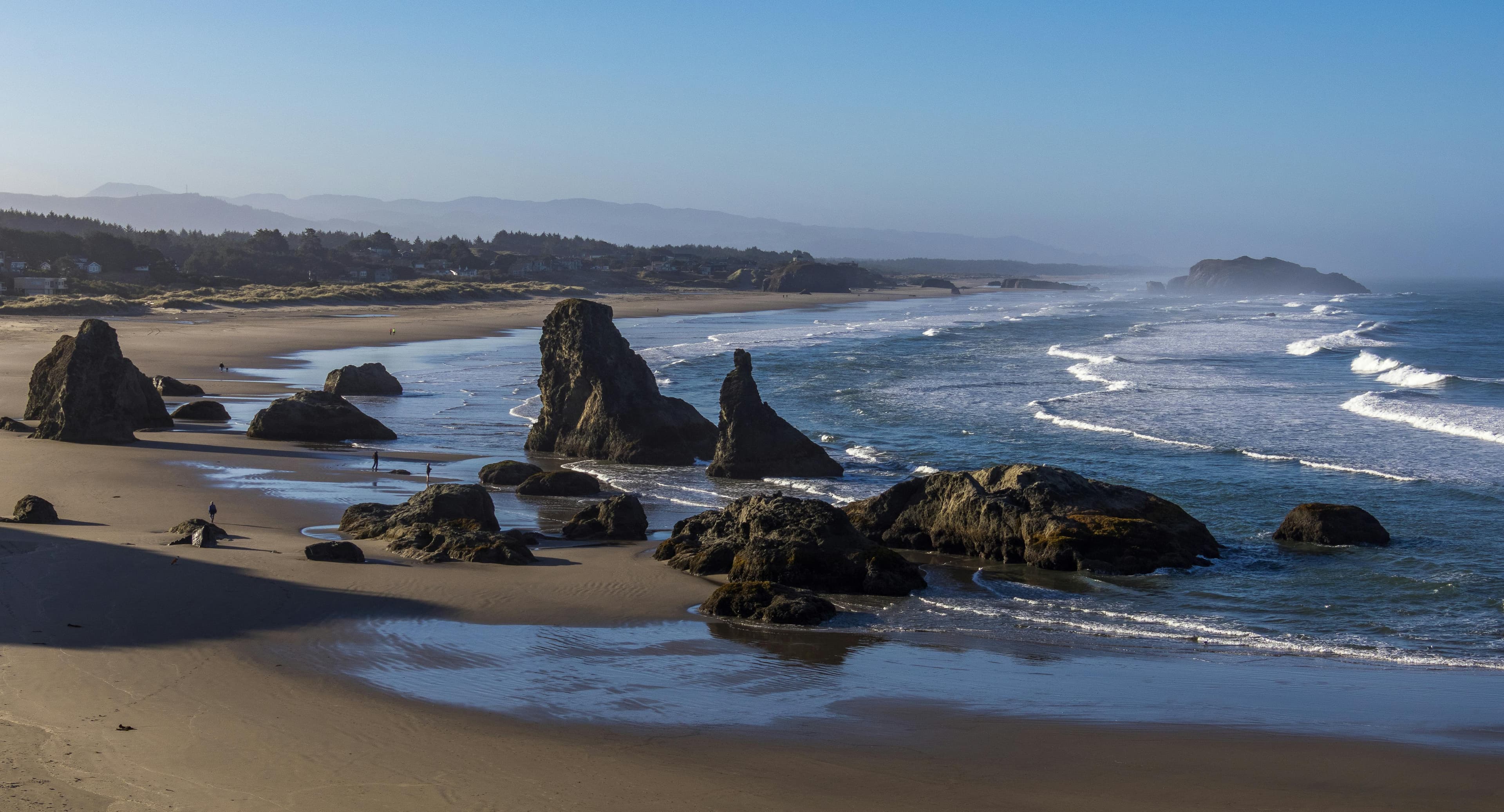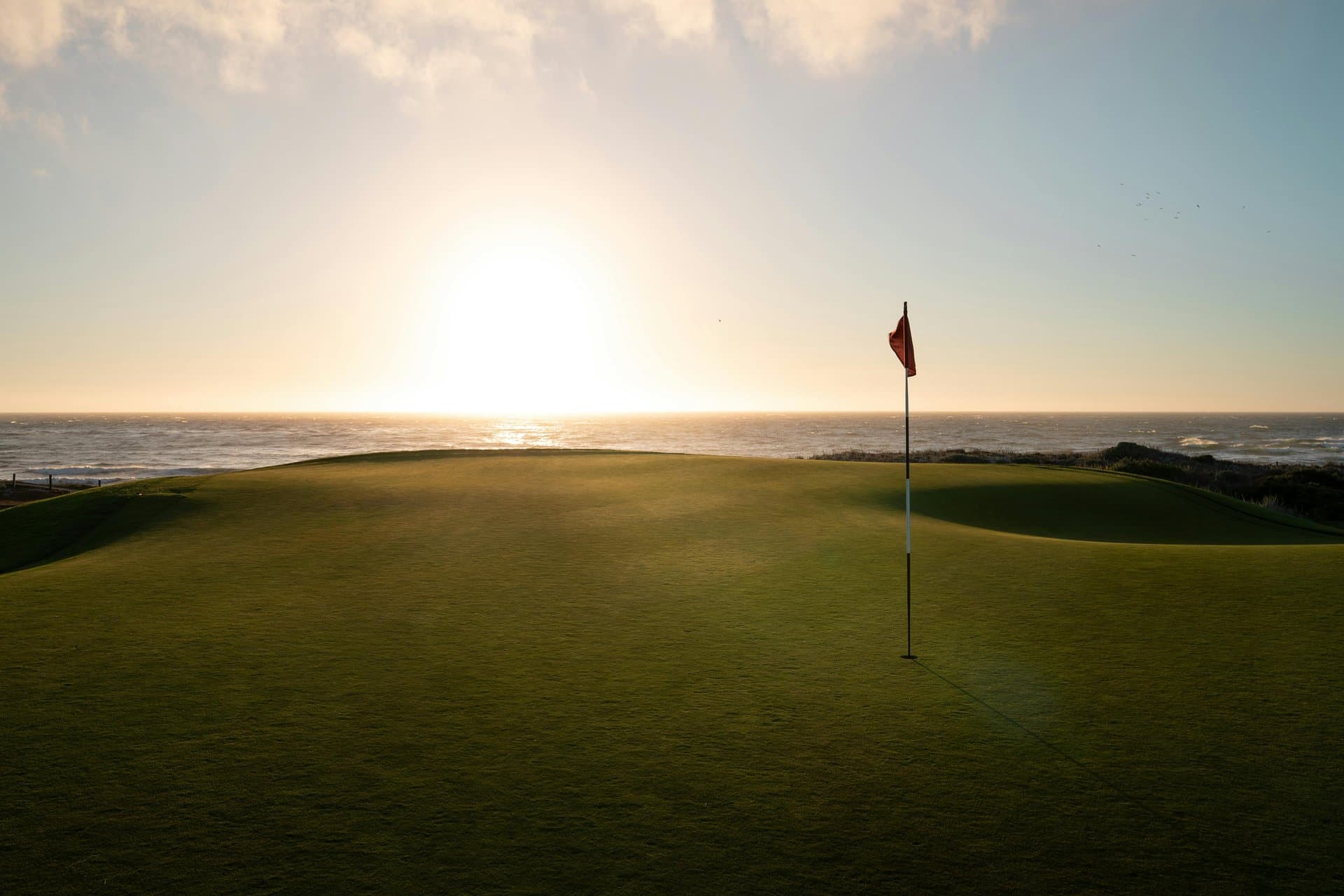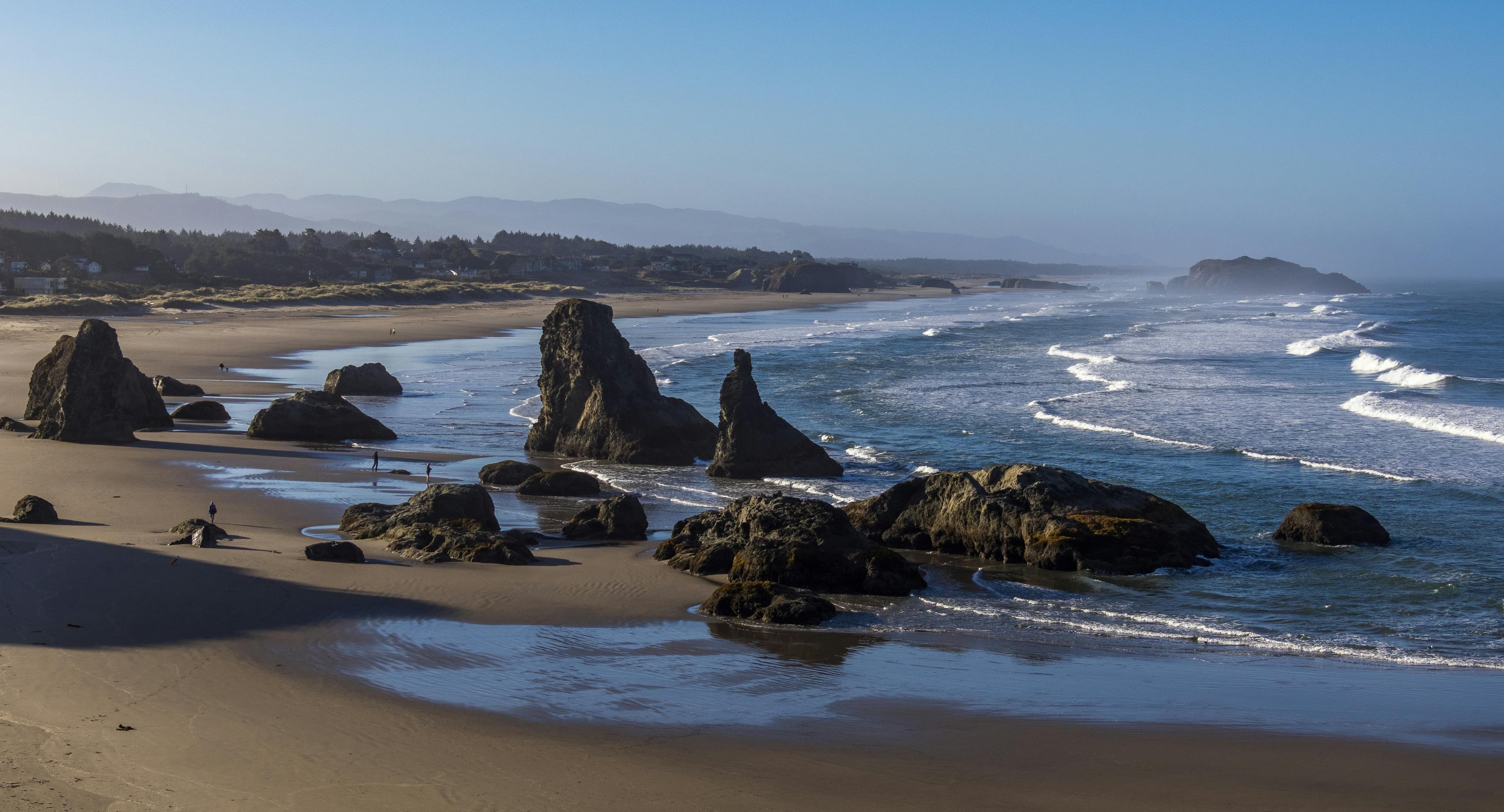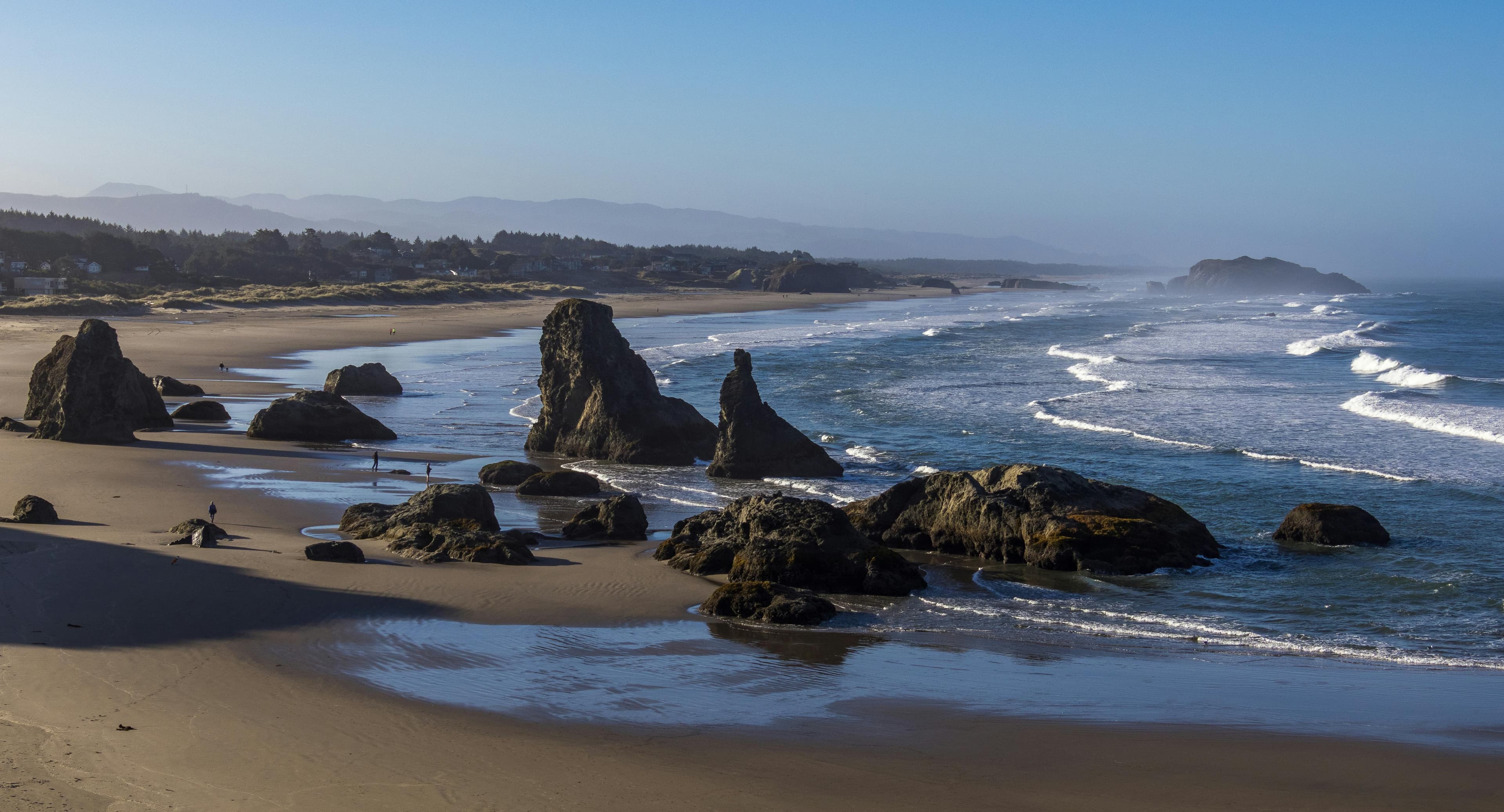
Bandon, OR: Bucket List Golf Trip Itinerary (4-5 Days)
Most golf destinations require choices about what to do between rounds. Bandon Dunes eliminates that question entirely. The resort is the destination. Five regulation courses, a 13-hole par-3, on-site lodging, and a handful of restaurants occupy a remote stretch of the southern Oregon coast where there is, by design, nothing else competing for attention. That isolation is the point. A trip to Bandon Dunes is a focused act of golf, stripped of the logistical noise that dilutes most multi-day itineraries. This plan covers four to five days at the resort, sequencing all five courses in an order that builds toward the best golf the property offers.
Where to stay in Bandon
Planning the trip? Compare live prices across every nearby hotel and rental in one search.
Prices and availability from Booking.com, Expedia and others via Stay22. GolfTrailsHQ may earn a commission at no additional cost to you.
Getting There
Bandon is not easy to reach, and that remoteness is part of the experience. The two nearest airports are Eugene (EUG), roughly a three-and-a-half-hour drive south through the Coast Range, and North Bend/Coos Bay (OTH), about 30 minutes north of the resort. OTH offers limited commercial service, primarily through Denver and San Francisco on United, so availability can be tight during peak season. Most visitors fly into Eugene or Portland (PDX, a five-and-a-half-hour drive) and make the scenic drive part of the trip. Rental cars are essential. There is no rideshare infrastructure out here, and the resort, while self-contained, sits miles from the nearest town.
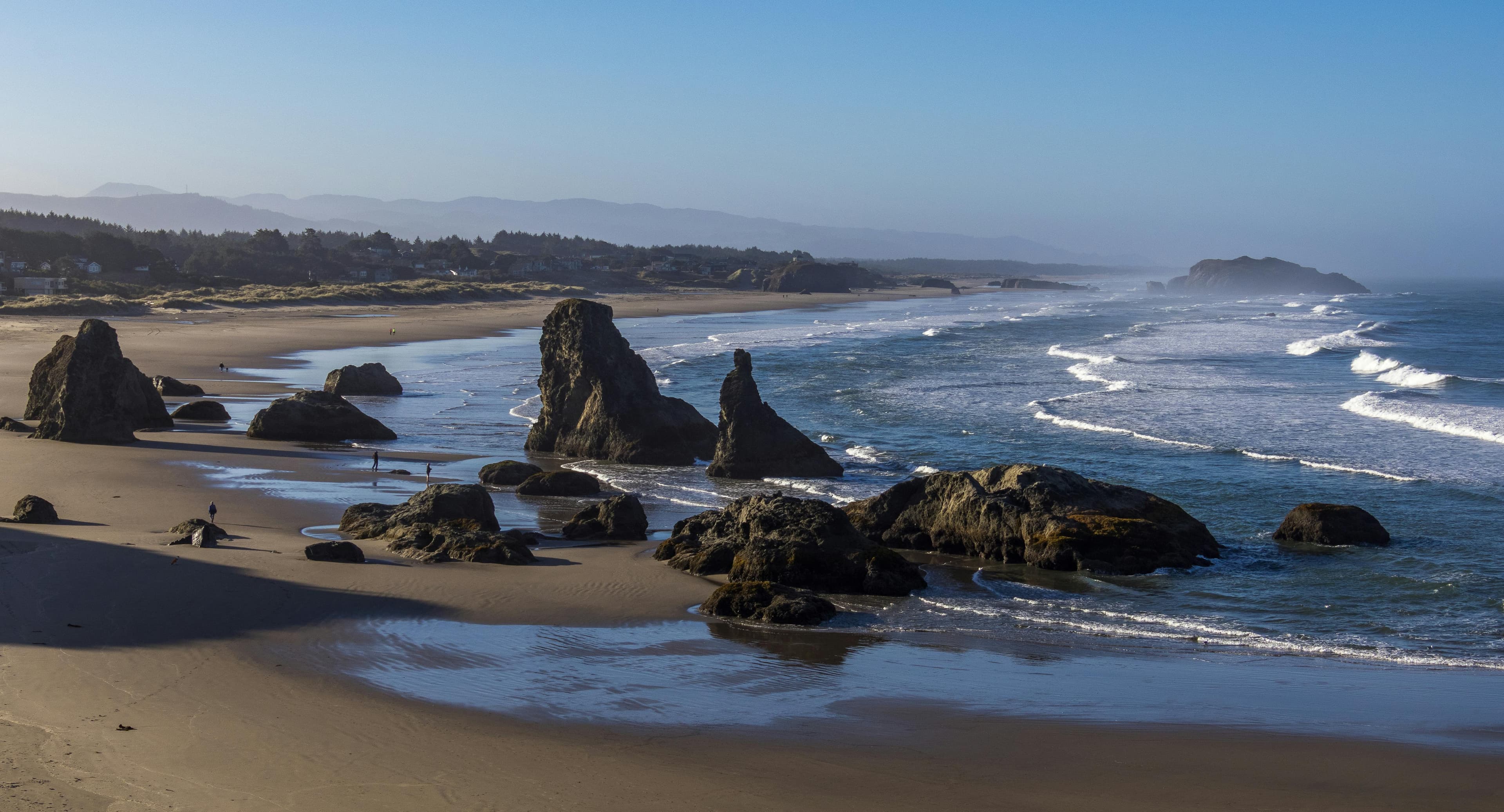
Bandon Trails
Day 1: Arrival and The Preserve
The travel day is long regardless of routing. Plan to arrive at the resort by early afternoon at the latest. Check into the lodge or cottage, get oriented, and head to The Preserve. This 13-hole par-3 course, designed by Coore and Crenshaw, is the ideal arrival-day round. Holes play between 80 and 150 yards across dune terrain with Pacific views, and the format is relaxed enough to absorb without any competitive pressure. There is no tee time required. Walk on, play as many holes as daylight allows, and treat it as calibration for the days ahead.
Dinner on the first night works best at McKee's Pub, the resort's most casual option. The atmosphere is informal, the pours are generous, and the menu leans toward comfort food that suits the end of a travel day. Save the more polished dining for later in the week.
Day 2: Bandon Dunes and Bandon Trails
The original course deserves the first full morning. Bandon Dunes, designed by David McLay Kidd and opened in 1999, is the round that proved a links-style resort could work on the Oregon coast. The wind will be a factor. It is almost always a factor here. Book the earliest tee time available and hire a caddie for this first regulation round. Local knowledge about wind patterns and green contours pays for itself several times over.
The routing moves along the bluffs above the Pacific before turning inland and returning to the ocean for a closing stretch that remains among the most dramatic finishes in American golf.
The afternoon belongs to Bandon Trails. Coore and Crenshaw designed this inland routing through coastal forest, sand dunes, and meadowland. It is the quietest of the five courses and the one most visitors underestimate. The variety of terrain produces holes that feel like they belong on three different courses, yet the sequencing is remarkably coherent. Trails rewards precise iron play more than length, making it a useful counterpoint to the wind-exposed coastal courses.
Dinner at Trails End, adjacent to the Bandon Trails clubhouse, is the right call on a day spent on this side of the property.
Day 3: Pacific Dunes and Sheep Ranch
This is the marquee day. Pacific Dunes, designed by Tom Doak, is consistently ranked as the top course at the resort and regularly appears in the upper reaches of every credible American course ranking. Thirteen holes either touch or overlook the ocean, and Doak's greens are built to accept running approaches from multiple angles. Play it in the morning when conditions are typically calmer, and give the round the full attention it demands. A caddie here is not optional in any practical sense. The green complexes are too nuanced to read cold.
The routing along the bluffs is relentless in the best sense.
The afternoon round is Sheep Ranch, the newest of the five regulation courses, opened in 2020 and also designed by Coore and Crenshaw. It occupies the most exposed piece of coastline on the property, with ocean views from every hole. The design is intentionally broad and forgiving off the tee, which is generous given how hard the wind can blow on this stretch. Sheep Ranch plays fast and feels elemental in a way that even Pacific Dunes, for all its quality, does not quite match.
Pacific Grill, the resort's most refined dining room, is the appropriate place to eat after the strongest day of golf the trip will produce.
Day 4: Old Macdonald and a Replay
Old Macdonald, designed by Tom Doak and Jim Urbina, closes out the tour of the five regulation courses. The design is built around template holes inspired by the work of Charles Blair Macdonald, the godfather of American course architecture. Redan, Biarritz, Cape, Eden: the references are explicit and executed at an enormous scale. Fairways are vast, greens are massive, and the strategic options on each hole are wider than anything else at the resort. Old Macdonald is the course that improves the most on a second visit, but even a first round reveals the intelligence of the design.
The afternoon is the replay round. Most players choose Pacific Dunes or Bandon Dunes, and the resort generally accommodates afternoon replay requests during the season. A second pass at either course, with the benefit of four days of accumulated local knowledge, invariably produces a more satisfying round than the first.
Day 5 (Optional): Final Round and Departure
A fifth day allows one more morning round before the drive back to the airport. Pacific Dunes is the most common choice for a final loop, though Sheep Ranch in calm morning conditions is a strong alternative. Check-out is straightforward, and the drive to Eugene or North Bend is manageable for an afternoon flight. Those flying out of Portland should depart the resort early.
Budget Overview
Bandon Dunes resort packages bundle lodging and rounds, which simplifies the math considerably. For a four-to-five-day trip playing all five regulation courses plus The Preserve, expect to spend between $2,500 and $4,000 per person. That range depends on room type (single lodge rooms at the low end, multi-bedroom cottages at the high end), season (June through October commands peak pricing), and caddie fees (typically $120-150 per bag plus tip per round). Food and beverage on-site runs $75-125 per day depending on dining choices. The resort occasionally offers shoulder-season packages in April, May, and late October that bring the total closer to the lower end of the range.
Tip
When to Go
The Oregon coast is playable from April through October, with June through September representing peak season. Summer days are long, with daylight extending past 9 p.m. in June and July, which makes 36-hole days comfortable. Wind is a constant, though mornings tend to be calmer than afternoons. July and August bring the warmest temperatures, typically in the low 60s. Rain is possible in any month but least likely in July and August. Shoulder months offer lower rates and thinner crowds, though April and October bring a higher probability of wet, blustery conditions that will test both gear and resolve.
The verdict