Bandon, OR: Best Time to Visit
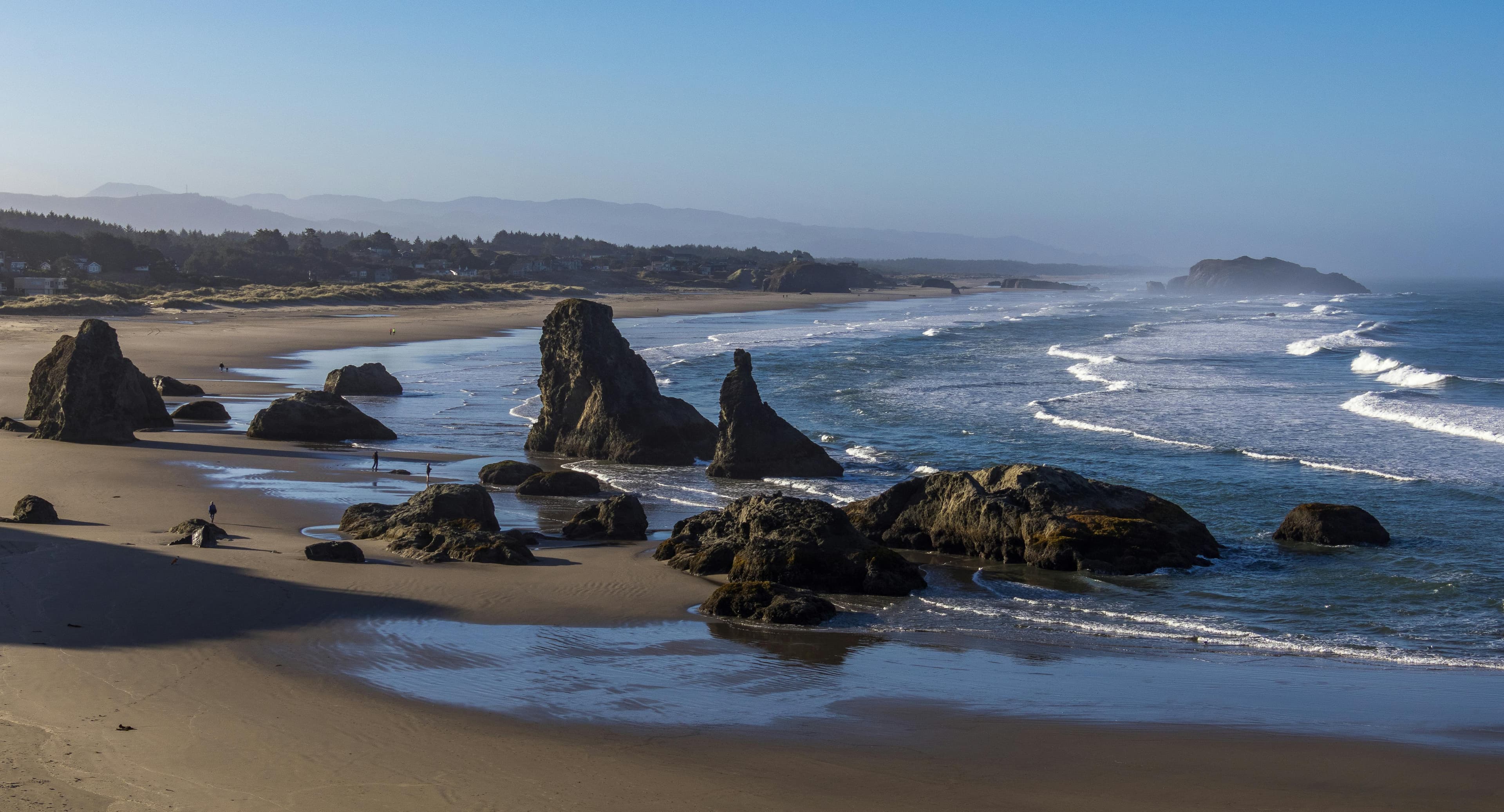
Bandon Dunes sits on a remote stretch of the southern Oregon coast, roughly 250 miles from Portland and a full day's drive from most major airports. Getting there requires intention. That remoteness is part of the appeal, but it also makes trip timing more consequential than at destinations with reliable sunshine and a fallback bar scene. The Oregon coast is not warm by any conventional standard. Summer highs hover in the mid-60s. Rain is measured in feet, not inches, during winter months. Wind is constant, varying only in severity. None of this is a deterrent for the right golfer at the right time of year, but it does reward planning. What follows is a season-by-season breakdown of conditions, pricing, and practical considerations for those building a trip to American links golf's most important address. For a full overview of courses, lodging, and logistics, the Bandon destination guide covers the broader picture.
Where to stay in Bandon
Planning the trip? Compare live prices across every nearby hotel and rental in one search.
Prices and availability from Booking.com, Expedia and others via Stay22. GolfTrailsHQ may earn a commission at no additional cost to you.
Summer: June Through September
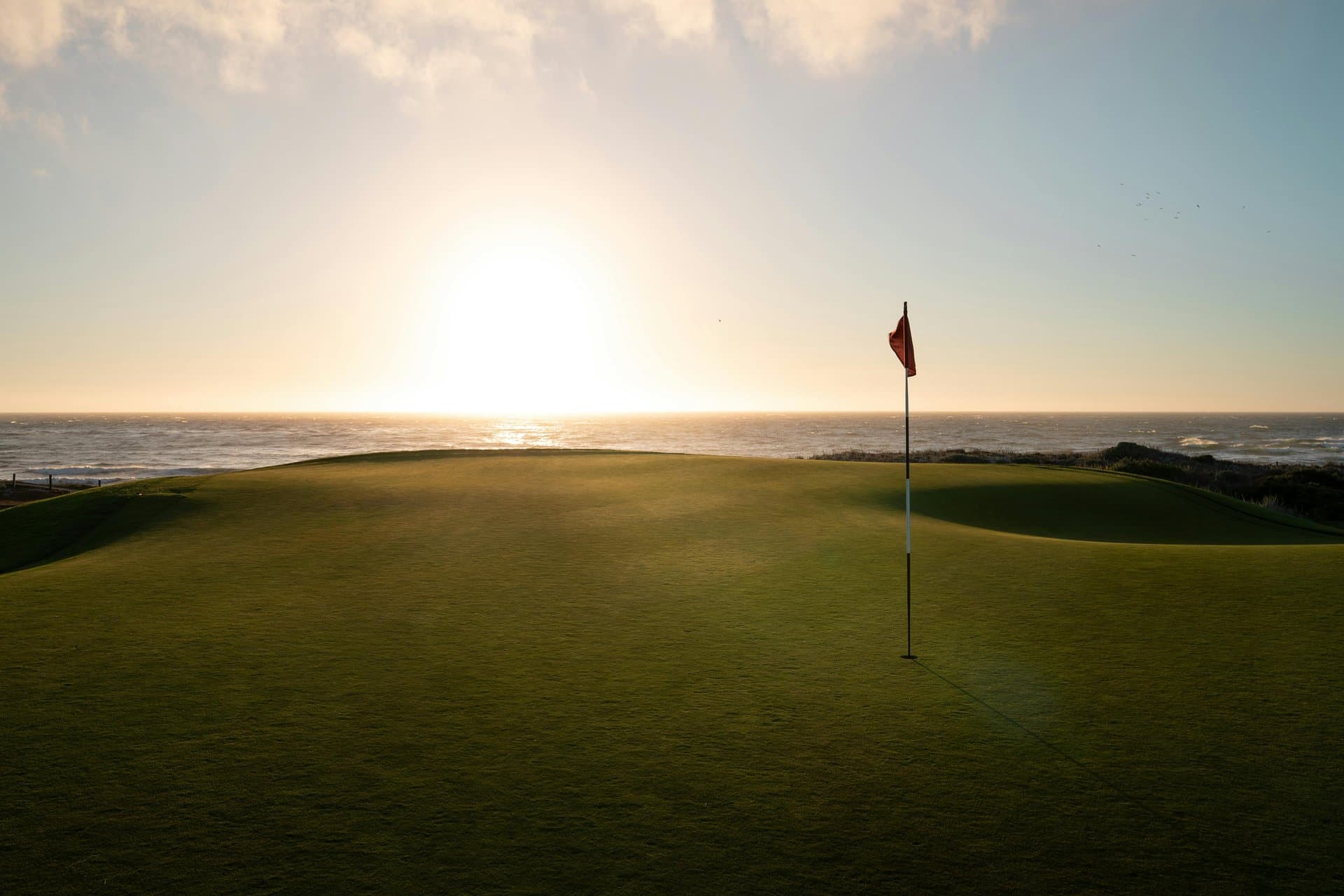
Summer is the prime window at Bandon, and the numbers explain why. Daytime temperatures range from 60 to 70 degrees Fahrenheit, rain is infrequent relative to the rest of the year, and daylight extends past 9:00 p.m. in June and July. That last detail matters more than it might elsewhere. With sunlight lasting until nearly 9:30 p.m. at the solstice, 36 holes in a day is not merely possible but comfortable, with time for an unhurried lunch between rounds. The par-3 Preserve and the short course at Shorty's can fill a late-afternoon slot without cutting into a full 18.
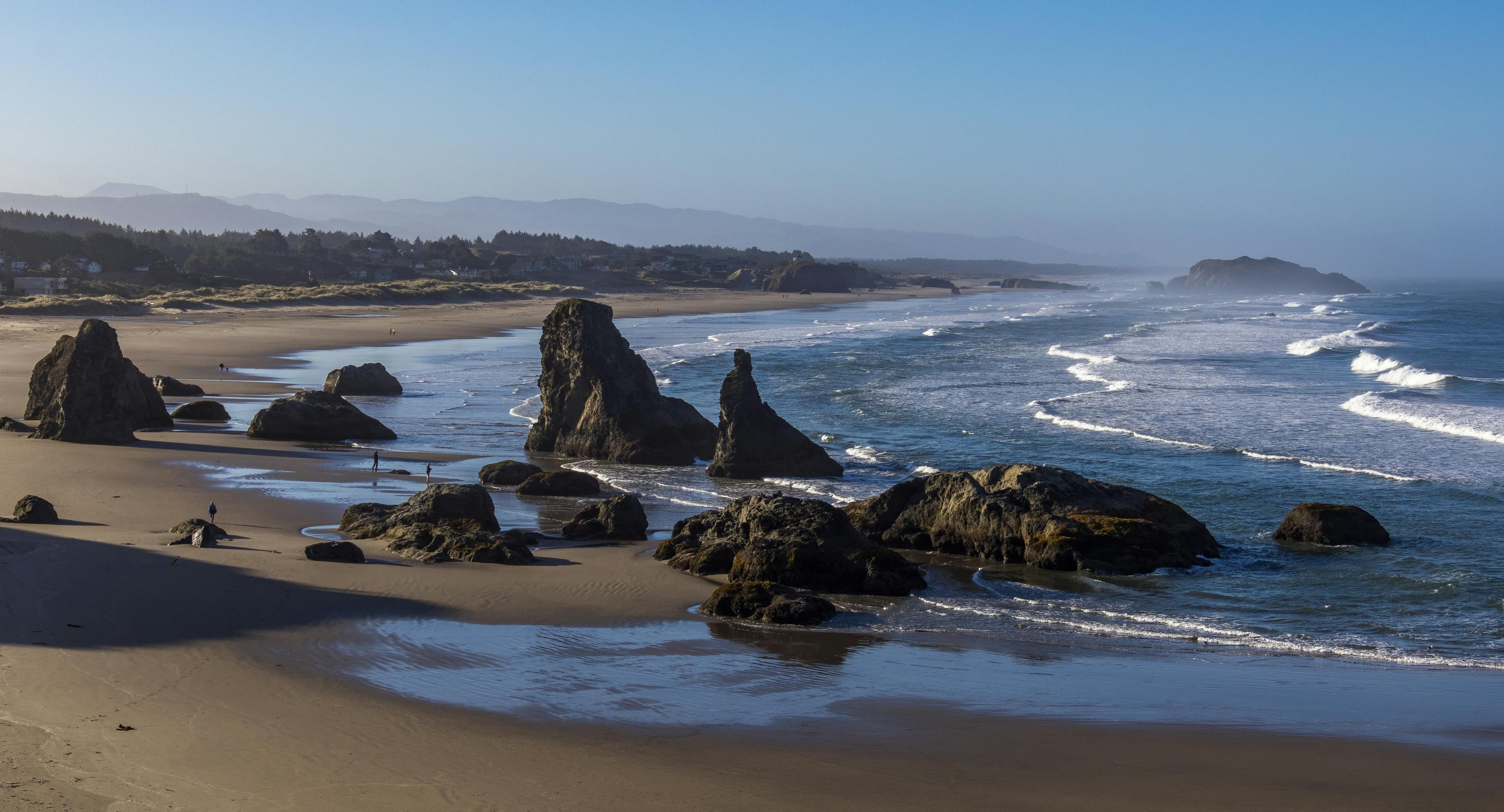
Sheep Ranch
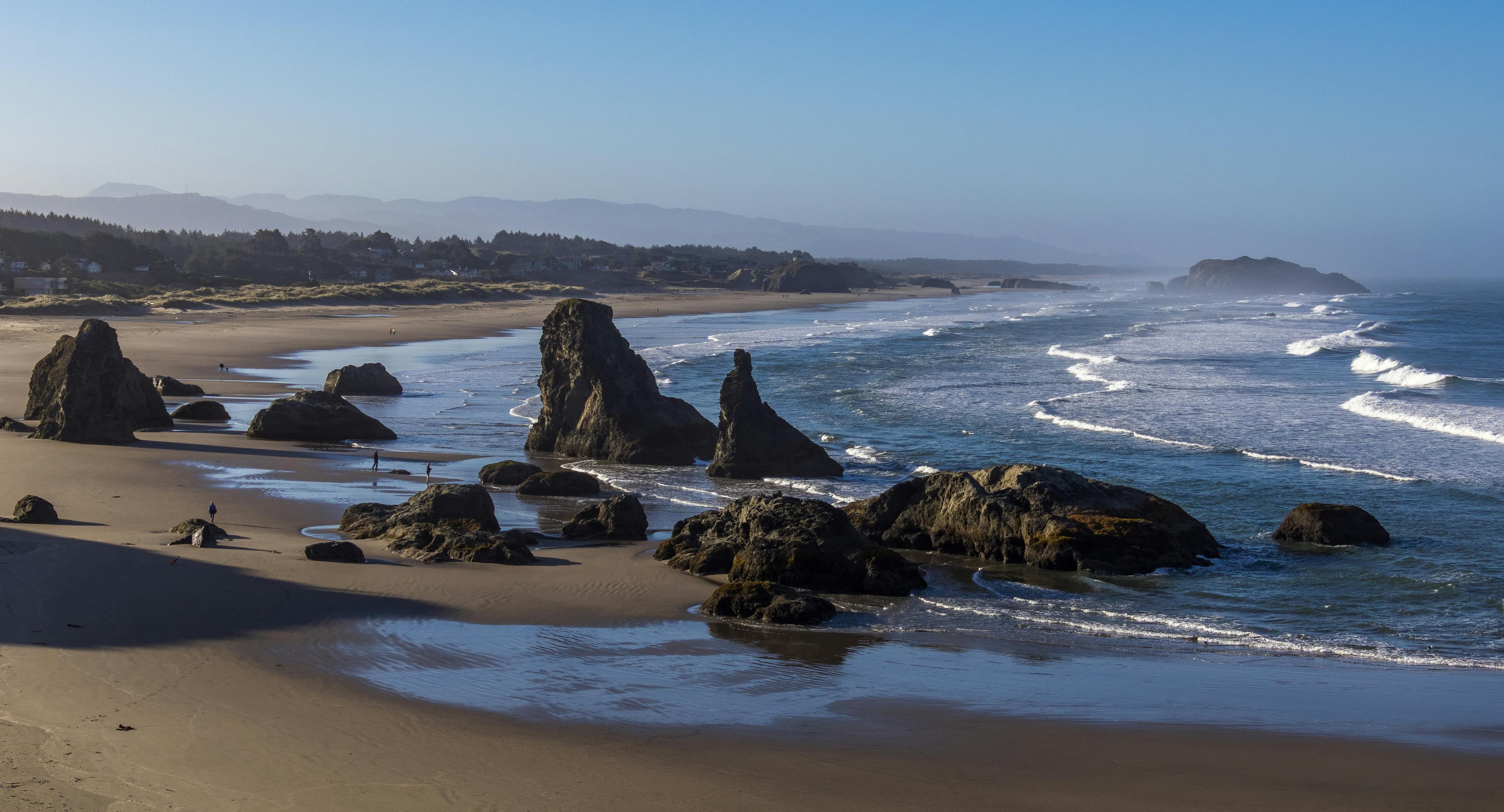
Bandon Dunes
Wind remains a factor even in summer, typically blowing 10 to 20 miles per hour off the Pacific, but it is manageable and consistent rather than punishing. Course conditions peak during this stretch. The fescue fairways play firm and fast, and the natural terrain reads the way links golf is meant to read.
The trade-off is demand. Groups should plan two to three months ahead for preferred dates. Lodging on the resort property fills on popular weekends, and third-party options in the town of Bandon are limited. For those willing to play midweek, availability loosens considerably, and the experience is no less compelling.
Peak summer rates apply from mid-June through mid-September, and the most desirable tee times on Bandon Dunes, Pacific Dunes, and Sheep Ranch require booking well in advance.
Shoulder Seasons: May and October
May and October represent the most compelling value windows for golfers who can tolerate a bit more weather variability. Rates drop 20 to 30 percent from peak summer pricing, and tee times are significantly easier to secure, even on weekends. The courses are less crowded, and the pace of play reflects it.
May brings improving conditions after the wet winter and early spring. Temperatures sit in the mid-50s to low 60s, and rain is still possible but less persistent than in preceding months. Daylight is already generous by mid-May, with sunset after 8:30 p.m., and the fescue is greening up into its summer form. Conditions can feel raw on an overcast morning, but by afternoon the coast often clears enough to remind visitors why they came.
October reverses the trajectory. Days shorten noticeably, with sunset pulling back toward 6:30 p.m. by month's end. Temperatures settle into the low 50s to mid-60s, and the first sustained rain systems of autumn begin rolling in from the Pacific. Wind picks up. But the turf is still in strong condition from the dry summer, and the firmer playing surfaces make for some of the best ground-game golf of the year. Many repeat visitors consider early October the ideal compromise between playability, atmosphere, and cost. A review of Bandon best courses can help prioritize which layouts to target during a shorter trip window.
Winter: November Through March
Winter at Bandon is an acquired taste, and those who acquire it tend to be vocal about it. This is the season that most closely approximates the conditions under which links golf was invented: horizontal rain, sustained wind gusting above 30 miles per hour, temperatures in the 45 to 55 degree range, and greens that are softer but still true. Daylight is limited, with sunset arriving before 5:00 p.m. in December, which effectively caps play at one round per day and sometimes forces early starts.
Rates drop to their lowest point of the year, and availability is essentially unrestricted. The resort runs at reduced capacity, and the atmosphere shifts from destination golf trip to something closer to a pilgrimage.
Caddies who work through the winter tend to be the most seasoned on staff, and their course knowledge becomes more valuable when the wind makes club selection genuinely uncertain.
The practical requirements are straightforward: waterproof outerwear from head to toe, a dry pair of gloves for every round, and a willingness to accept that not every shot will go where intended. Golfers who find this appealing already know who they are.
The Verdict
Bandon is a May-through-October destination for most visitors, with June through August as the prime window for reliable weather, maximum daylight, and peak course conditions. The shoulder months of May and October offer a strong balance of playability and value, particularly for groups with some flexibility on dates.
Winter has its advocates, and their case is genuine. Playing Pacific Dunes in a 25-mile-per-hour crosswind with rain coming sideways off the ocean is a specific kind of golf experience that cannot be replicated elsewhere in the United States. It is not for everyone, but it is for someone, and those who seek it out rarely regret the trip.
Tip