Sawgrass / Ponte Vedra, FL: Best Time to Visit
TPC Sawgrass is one of the most recognizable courses in American golf, and the 17th hole's island green is one of the most photographed par-3s in the world. But Ponte Vedra Beach and the surrounding Northeast Florida corridor offer more than a single hole on a single course. The Stadium Course and the adjacent Dye's Valley Course at TPC Sawgrass anchor the destination, with Sawgrass Country Club, Marsh Landing, and courses in nearby Jacksonville and St. Augustine adding depth. The area operates year-round, benefiting from Northeast Florida's coastal climate, which is meaningfully different from the state's southern and Gulf coasts. Summers are hotter and more humid than marketing materials suggest, and The Players Championship in March creates a pricing and access distortion worth understanding. For a full overview of courses, accommodations, and logistics, the Sawgrass destination guide covers the broader picture.
Where to stay in Sawgrass and Ponte Vedra Beach, Florida
Planning the trip? Compare live prices across every nearby hotel and rental in one search.
Prices and availability from Booking.com, Expedia and others via Stay22. GolfTrailsHQ may earn a commission at no additional cost to you.
Spring: March Through May
The event, held on the Stadium Course in mid-March, closes the course for several weeks of tournament preparation and play. Public access to the Stadium Course resumes after the event, typically by early April, and the course is in tournament-caliber condition when it reopens. Playing the Stadium Course within weeks of the PGA Tour's strongest-field event carries an appeal that requires no elaboration.
Spring is the premium window at Sawgrass, and The Players Championship is the reason pricing spikes in March.
Ponte Vedra Beach
Weather in spring is close to ideal. Daytime highs range from the low 70s in March to the mid-80s by late May. Humidity builds through the season but remains comfortable through April. Rain is infrequent compared to summer, and wind off the Atlantic is typically light, averaging 8 to 12 miles per hour. The Bermudagrass fairways are fully green and running firm by mid-March, and course conditions across the area peak during this stretch.
Pricing reflects the demand. Stadium Course green fees in April and May run $350 to $500, and tee times should be booked four to six weeks in advance. Dye's Valley is more accessible and less expensive, typically $150 to $200 during peak spring. Accommodations at the Sawgrass Marriott and in Ponte Vedra Beach command premium spring rates and should be reserved early.
Summer: June Through August
Summer in Northeast Florida is the season that separates golf trips from golf commitments. Daytime highs reach the low to mid-90s, with humidity that pushes the heat index well above 100. Afternoon thunderstorms arrive with near-daily reliability from June through August, developing rapidly over the coastal flatlands and bringing lightning that triggers immediate suspension of play. The stadium-style mounding at TPC Sawgrass provides minimal shelter, and the course clears quickly when storms approach.
Green fees drop substantially. The Stadium Course moves into the $200 to $350 range, and Dye's Valley falls below $150. Tee time availability opens across all courses, and last-minute bookings become feasible. Early morning starts are the only practical approach. A 7:00 a.m. tee time allows completion by noon, ahead of the afternoon storm window. Course conditions remain excellent, as Bermudagrass reaches its peak density in summer heat, and the maintenance standards at TPC Sawgrass do not vary by season.
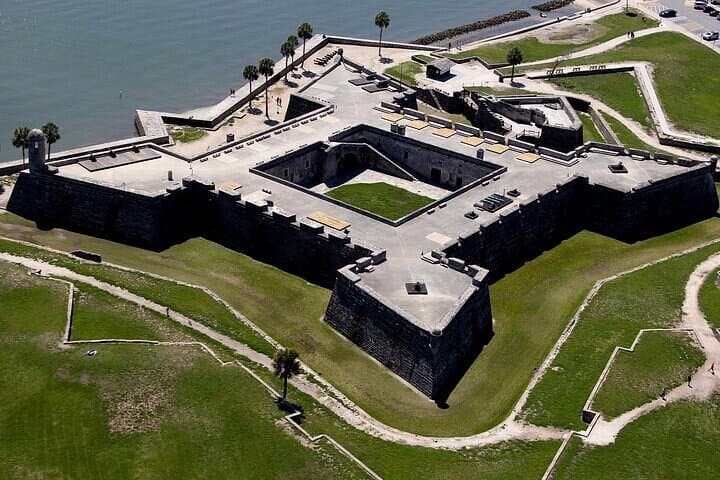
The Atlantic beaches at Ponte Vedra are at their warmest in summer, and St. Augustine's historic district operates year-round, providing non-golf alternatives.
For budget-conscious groups willing to tolerate the heat and plan around weather, summer represents the most significant savings of the year.
Fall: October Through November
Fall is the Sawgrass area's second prime window, offering conditions that approach spring quality at reduced pricing. October brings daytime highs in the upper 70s to low 80s, and the humidity that defines summer breaks noticeably. The afternoon thunderstorm cycle tapers off through October and is largely absent by November. Skies are frequently clear, and the lower sun angle produces the kind of warm, directional light that flatters the Stadium Course's landscaping.
Course conditions are strong. The turf carries its summer density into fall, and the cooler temperatures reduce the plant stress that can affect green speed and consistency in midsummer. November extends the window, with highs in the low to mid-70s and cool mornings in the 50s that warm quickly.
Tip
Winter: December Through February
Northeast Florida's winter is milder than its latitude might suggest but cooler than destinations further south. Daytime highs average in the mid-60s, with morning temperatures frequently in the 40s. Cold fronts from the north can drop highs into the 50s for multi-day stretches, and frost delays occur several times each winter, particularly in January. The Bermudagrass enters partial dormancy, and while the Stadium Course overseeds to maintain green playing surfaces, the turf plays softer than in the active growing season.
Green fees reach their lowest point, and tee time availability is open. The resort operates at reduced occupancy, and pace of play improves. For golfers in the Southeast or mid-Atlantic region, a winter trip to Sawgrass offers playable conditions and access to one of the country's most storied courses at the year's best rates.
The practical limitation is consistency. Two consecutive January days can differ by 20 degrees, and a week-long trip may include one or two mornings lost to frost or cold. Flexibility in scheduling rounds around weather is more important in winter than in any other season.
The Verdict
Sawgrass delivers its finest golf in April through May and October through November. Spring offers post-Players tournament conditioning, comfortable temperatures, and the full expression of the Stadium Course's design. Fall provides comparable quality with better pricing and fewer crowds. Summer is the deep-value play for heat-tolerant golfers who start early and respect the afternoon storm cycle. Winter suits regional travelers and off-peak value seekers who can flex around variable weather.
The verdict