The destination
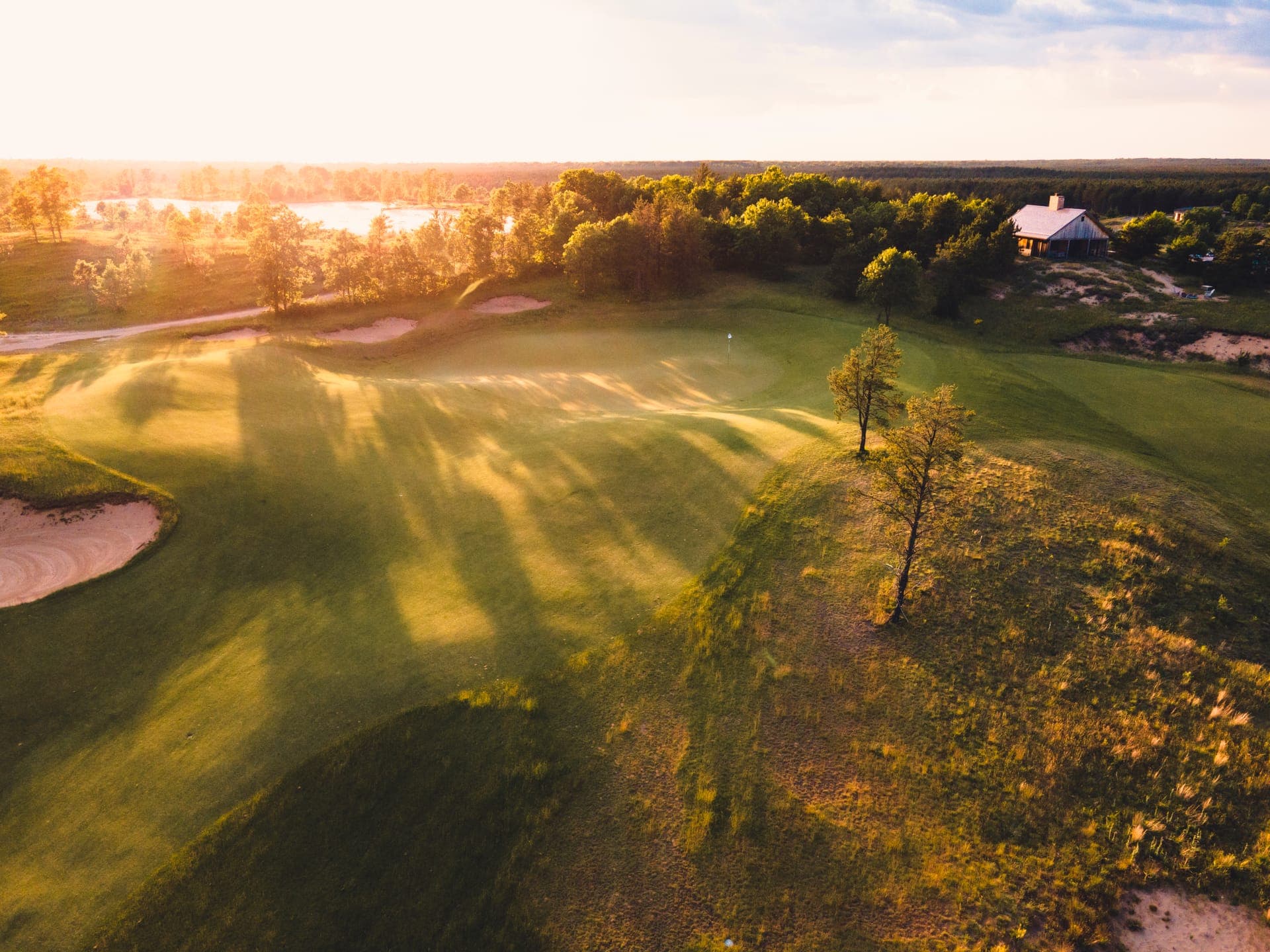
The first thing that surprises you about Sand Valley is the ground underfoot. Central Wisconsin does not feature in most golfers' mental geography, and the expectation on the drive through Nekoosa is farmland, maybe pine forest, possibly nothing at all. What appears instead is sand. Miles of it, deposited by glaciers that retreated roughly 10,000 years ago, covered in sparse vegetation and shaped into ridges and valleys that look, from certain angles, remarkably like the linksland of the British Isles. This is not coincidence. It is the reason the resort exists.
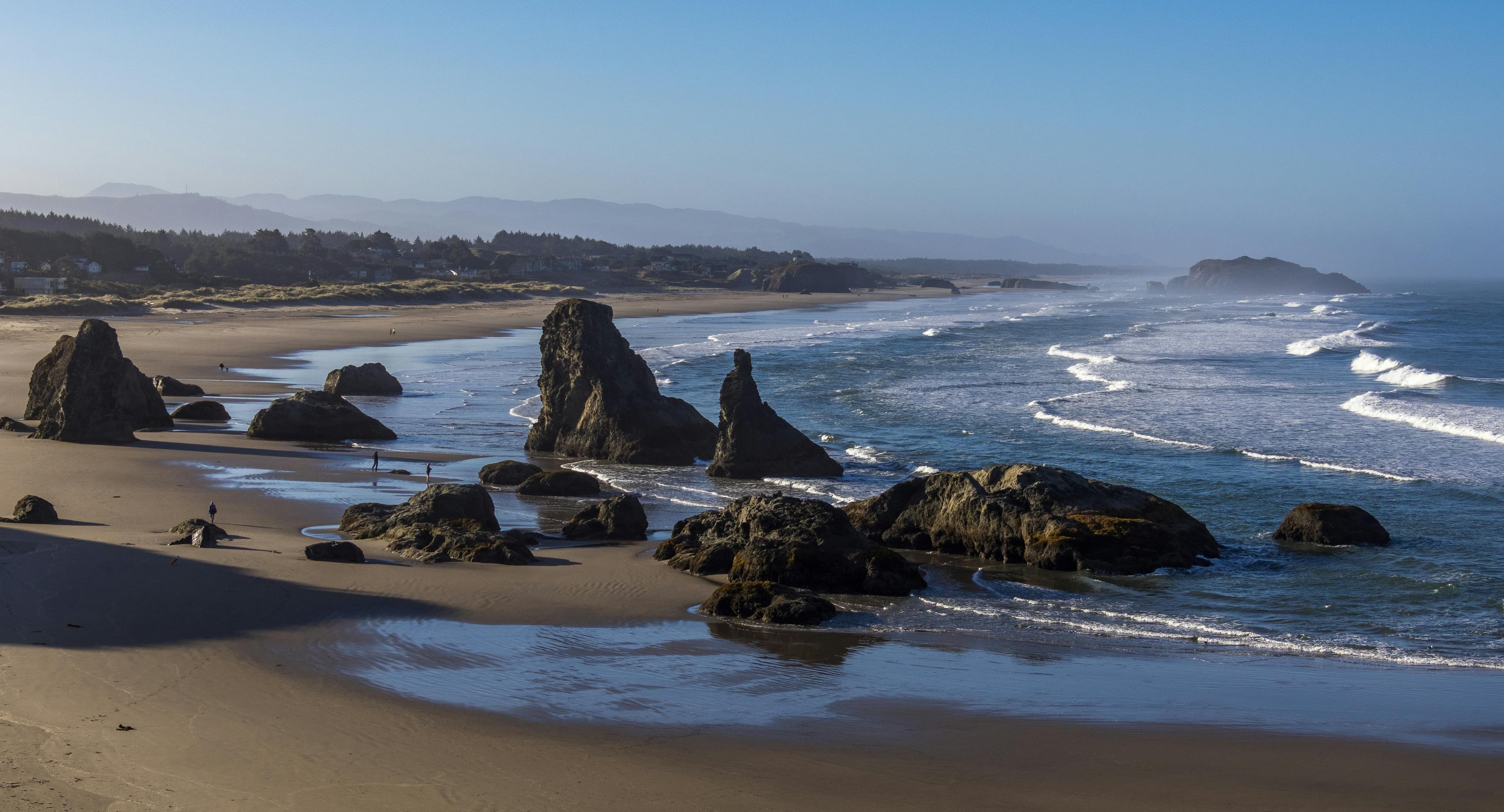
Mike Keiser, whose Bandon Dunes on the Oregon coast reshaped American golf by proving that walking-only, caddie-friendly courses could sustain a remote resort, identified this stretch of Wisconsin sand country in the mid-2010s as the site for his next project. The sand provides the drainage and firm playing surfaces that links-style golf requires. The courses at Sand Valley play firm and fast because the ground beneath them has been firm and fast for millennia.
This is a walking-only resort. No carts. No exceptions. That policy filters the visitor base in a way that shapes the entire atmosphere. The absence of housing, ornamental landscaping, and visible cart paths is deliberate and essential.
Where to stay in Sand Valley, Wisconsin
Live prices from Booking.com, Expedia and more — every nearby hotel and rental in one search.
Prices and availability from Booking.com, Expedia and others via Stay22. GolfTrailsHQ may earn a commission at no additional cost to you.
The courses
Where Scottsdale offers 200 courses across a metropolitan corridor, Sand Valley offers six on a single property, each designed by an architect whose work commands serious attention.
The Lido, opened in 2023, is a down-to-the-inch recreation of C.B. Macdonald's 1917 Long Island masterpiece, rebuilt by Tom Doak and Brian Schneider using historical photographs and original engineering drawings. The original Lido was destroyed to make way for housing in the 1940s, and its loss has been one of golf architecture's persistent regrets. The recreation plays at 7,047 yards with a slope of 148 and has been selected to host the 2026 US Mid-Amateur. The greens are faithful to Macdonald's template designs, which means they reward study and penalize indifference. This is the course that will bring architecture-minded golfers to Central Wisconsin from across the country, and it justifies the trip on its own.
Mammoth Dunes, David McLay Kidd's 2018 design, takes the opposite approach to difficulty. The fairways are among the widest in American golf, sculpted around a massive V-shaped sand ridge, and the enormous greens accept a variety of approaches. At 6,988 yards and par 73, the course plays generous from the tee but demands precision on approach. Golf Digest ranks it 25th among the greatest public courses in America.
Sand Valley, the original Coore and Crenshaw course that opened in 2017 and gave the resort its name, plays through exposed dunes at 6,913 yards. The routing offers multiple strategic lines from most tees, and firm conditions mean ground game options are often preferable to aerial play. The course appears to have been found rather than built.
Sedge Valley, Tom Doak's 2024 addition, is a heathland-inspired design that packs strategic complexity into a sub-6,000-yard, par-68 layout. The small greens demand precision and the shorter yardage is deceptive. The slope of 141 tells the truer story.
The Sandbox, a 17-hole par-3 short course by Coore and Crenshaw, offers holes from 40 to 140 yards with template greens that include a Biarritz, Lion's Mouth, and Redan. At $65 and roughly two hours, it serves as a warm-up, a cool-down, or an introduction to template architecture. The Commons, Jim Craig's 12-hole par-45 layout inspired by Prestwick and North Berwick, opens in 2026.
Beyond the resort, two courses deserve mention. Lawsonia Links, a 1930 William Langford and Theodore Moreau design in Green Lake, sits roughly an hour east and is consistently ranked among America's best affordable public courses. SentryWorld, Robert Trent Jones Jr.'s 1982 design in Stevens Point, underwent a complete renovation in 2014 and sits 30 minutes north.
When to go
The resort operates seasonally, opening in late April and closing in October. Peak runs June through August, when highs average 73 to 81 and the long northern days allow extended playing windows. May and September through October bring cooler temperatures, smaller crowds, and lower rates. October delivers fall foliage across the surrounding forests that makes the drive from Madison or Milwaukee feel like an event.
Getting there
The property sits near Nekoosa in Adams County, roughly 55 miles from Central Wisconsin Airport in Mosinee and 97 miles from Madison. A rental car is not optional. The remoteness is real and should not be underestimated.
A three-night trip covering three 18-hole courses and The Sandbox provides a concentrated education in contemporary architecture. A five-night trip covering the full rotation is one of the finest extended golf experiences available in the United States. After dinner, step outside. Central Wisconsin has minimal light pollution, and the stargazing from the resort grounds is exceptional.