The destination
In 2018, the PGA of America announced it was leaving Palm Beach Gardens, Florida, after nearly half a century and relocating to 660 acres of rolling North Texas prairie in Frisco. The answer to why here arrived in 2023 when the Omni PGA Frisco Resort opened alongside two championship courses, a lighted par-3 layout, an 800,000-square-foot putting green, and an entertainment district. Fields Ranch East was selected to host the 2027 PGA Championship. This is not a resort that happens to have golf. It is the PGA of America's physical argument for what American golf should look like next.
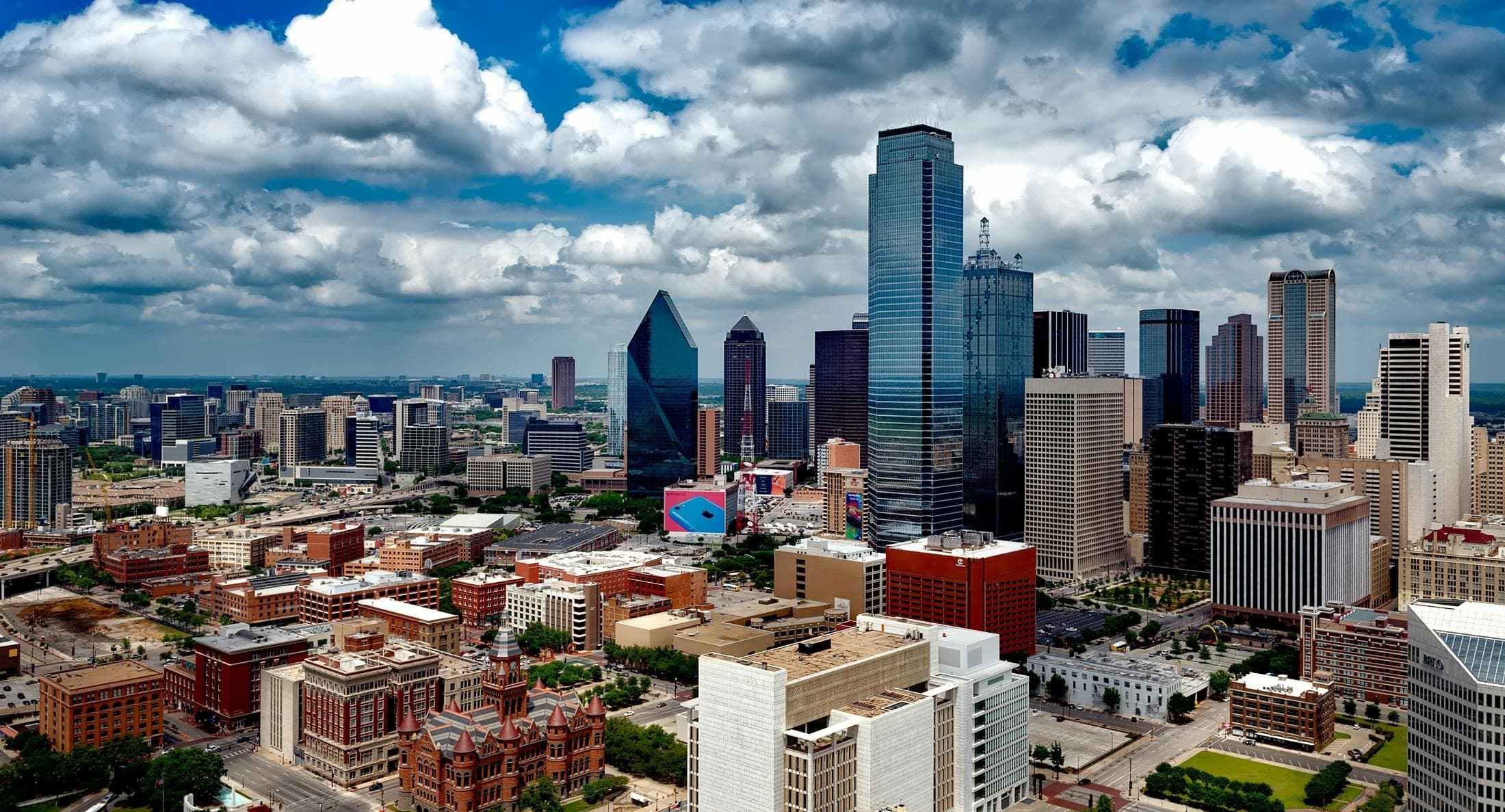
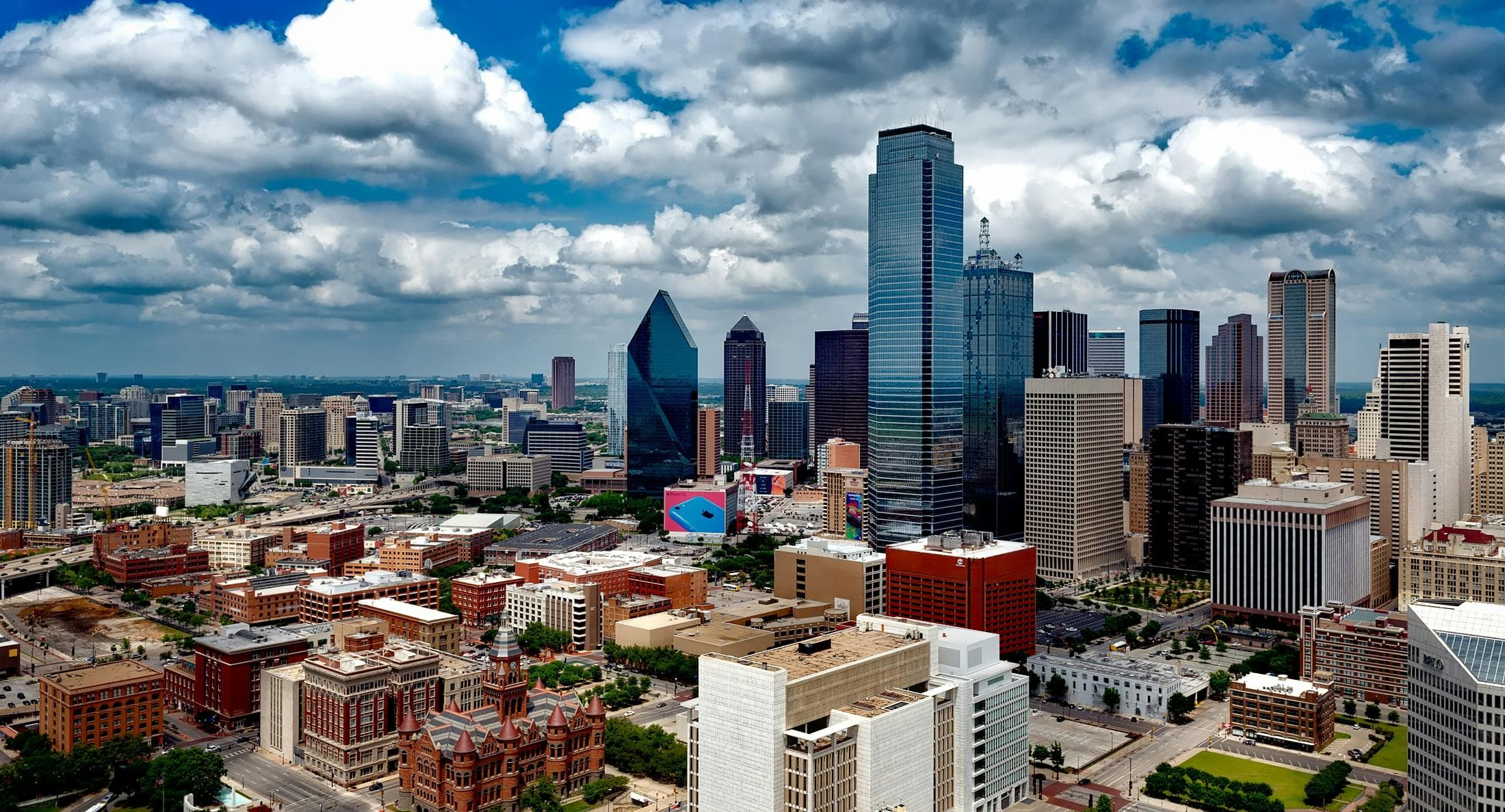
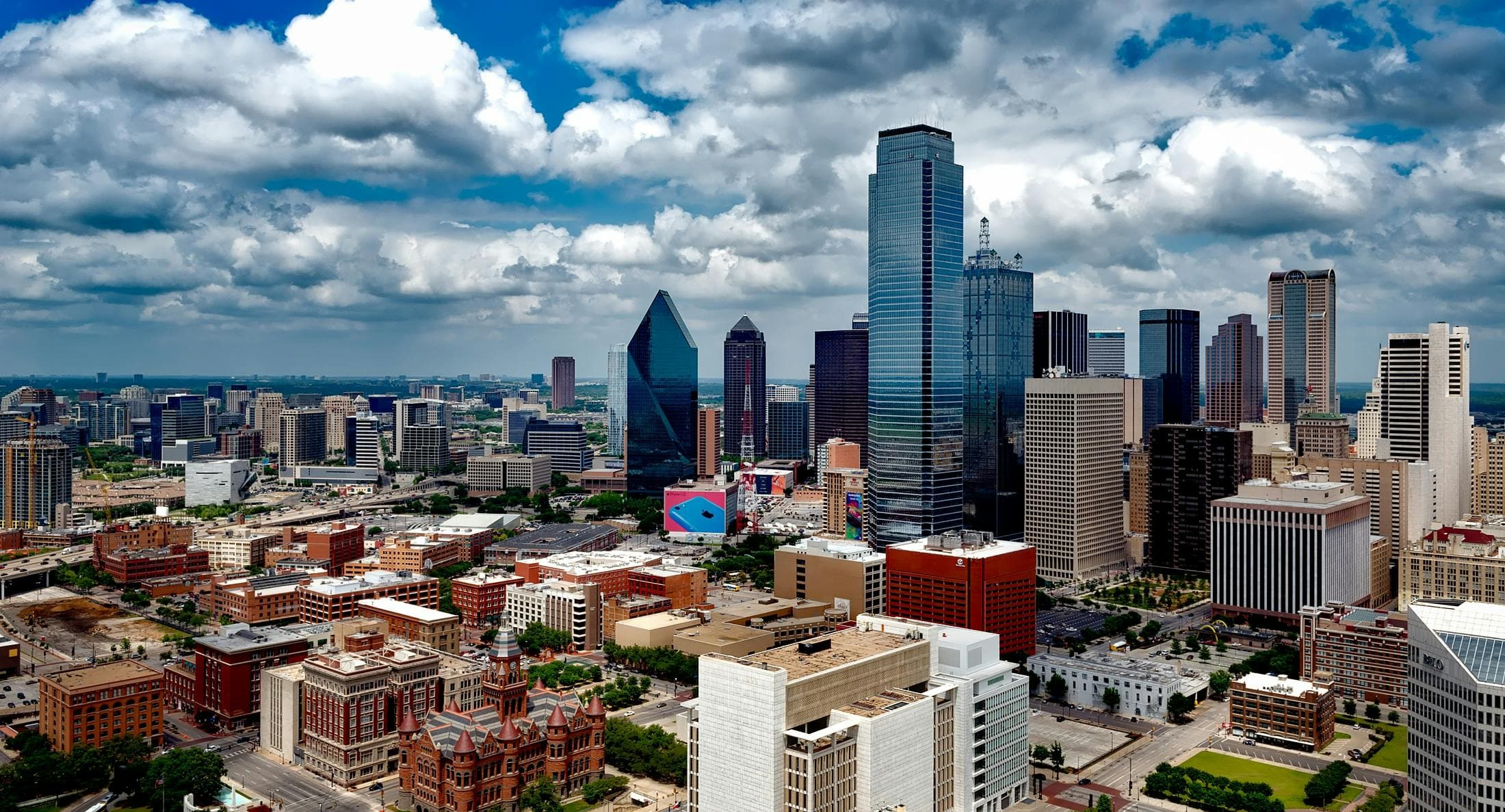
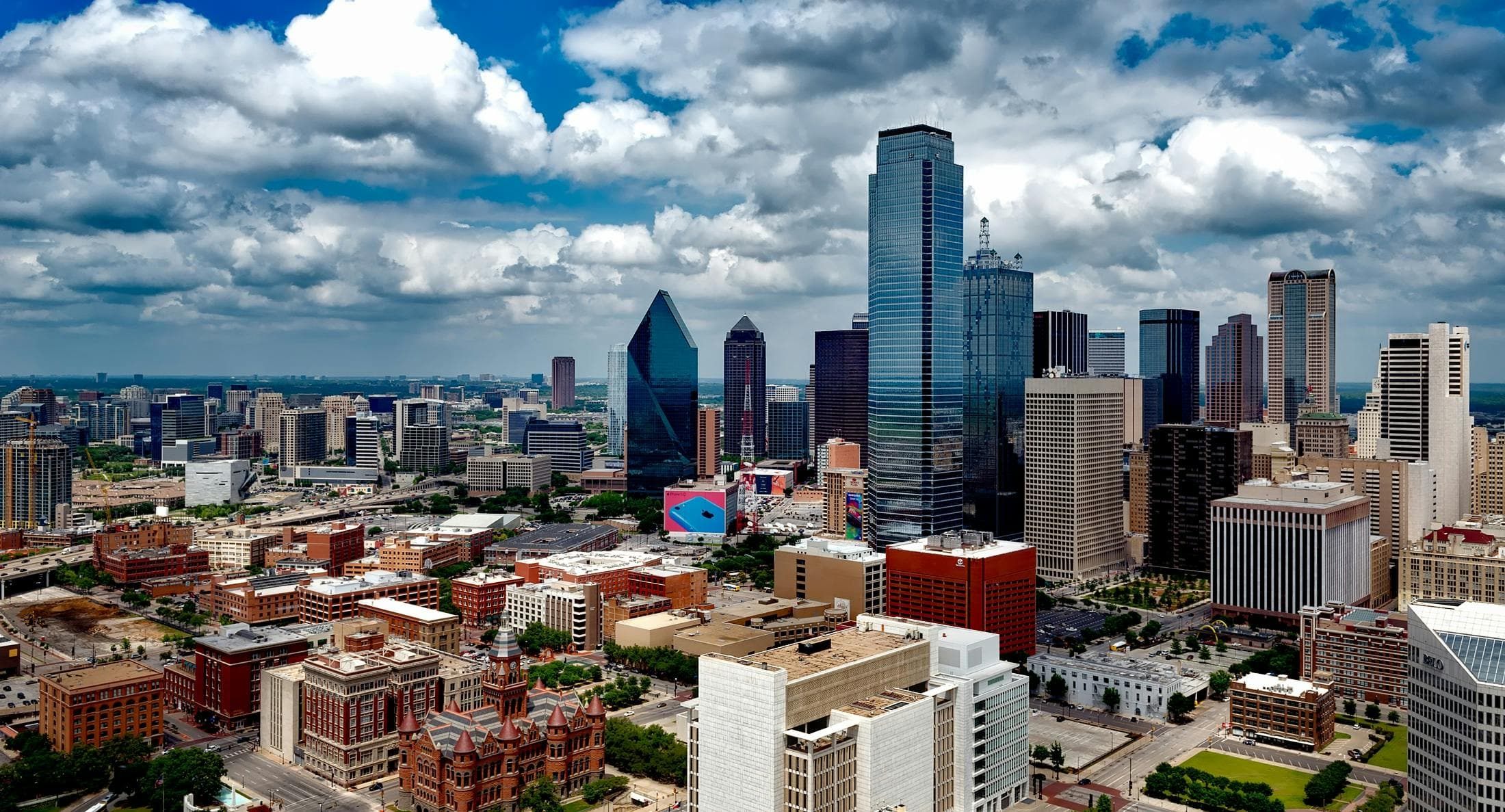
The broader Dallas-Fort Worth metroplex surrounds this anchor with a golf inventory that ranges from genuinely exclusive private clubs to municipal courses where the green fee is less than a decent steak dinner. The region lacks the coastal drama of Kiawah or the desert theater of Scottsdale. What it offers instead is infrastructure, accessibility, and a concentration of quality that has developed quickly enough to surprise golfers who still think of DFW primarily as an airport connection.
Where to stay in PGA Frisco
Live prices from Booking.com, Expedia and more — every nearby hotel and rental in one search.
Prices and availability from Booking.com, Expedia and others via Stay22. GolfTrailsHQ may earn a commission at no additional cost to you.
The courses
Fields Ranch East is the headliner. Gil Hanse and Jim Wagner designed it across terrain that produces genuine elevation change in a part of Texas most people assume is flat. At 7,863 yards from the championship tees with a slope of 152, it tests every dimension of the game. Walking is mandatory, with a caddie assigned to each group. The PGA backed that policy knowing it would limit the daily tee sheet. Peak green fees run $252 to $277. The green complexes are the signature: false fronts, subtle contours, and runoff areas that turn a miss by three feet into a recovery from thirty.
Fields Ranch West, designed by Beau Welling, occupies the other half of the property as an intentional counterpoint. The routing follows Panther Creek through more than 75 feet of elevation change, with native grasses framing generous fairways and large, quick greens. At 7,319 yards it is shorter and more forgiving than its neighbor, and carts are available. Green fees of $202 to $222 and comparable conditioning make it the more accessible of the two. Welling's design works because it does not try to compete with Hanse on difficulty. It competes on enjoyment.
Beyond the PGA Frisco campus, the metroplex holds several courses worth the drive. Old American Golf Club in The Colony, a Tripp Davis and Justin Leonard collaboration on Lake Lewisville, is the strongest public option in the region. Golfweek named it Best New Course in 2010, and at $85 to $150 it represents strong value. Sister property The Tribute Golf Club sits on the same lake with a Tripp Davis routing that pays homage to classic Scottish design.
Cowboys Golf Club in Grapevine carries an NFL brand and a $250-$300 green fee that is all-inclusive. Jeff Brauer designed it through 100 feet of elevation change near Lake Grapevine. Texas Rangers Golf Club in Arlington sits adjacent to Globe Life Field, where Colligan Golf Design replaced an aging municipal layout in 2018 and produced a modern public course at $62 to $87. Tangle Ridge in Grand Prairie, another Brauer design, runs $55 to $75. Three private clubs shape the regional reputation without being publicly accessible: Maridoe in Carrollton, TPC Craig Ranch in McKinney (host of the CJ CUP Byron Nelson), and Vaquero Club in Westlake.
When to go
March through May and September through November are the prime months. April and October are the sweet spot: temperatures in the mid-70s to low 80s, manageable humidity, and courses in peak condition. Summer is honest about its intentions, with July and August averaging 96 to 97 degrees. Early morning tee times are the only practical approach. Winter is mild but variable, and many December-through-February weeks are perfectly comfortable for golf at off-peak prices.
Getting there
Dallas/Fort Worth International Airport sits 25 miles and roughly 30 minutes from PGA Frisco. DFW is the American Airlines hub with direct flights from more than 200 domestic and international cities. Dallas Love Field 27 miles south adds a Southwest Airlines option. A rental car is essential. The courses, restaurants, and activities are scattered across Frisco, Plano, The Colony, Grapevine, Arlington, Fort Worth, and Dallas proper.
Three to four nights with four rounds is the natural shape. Build around Fields Ranch East and West, add Old American or Cowboys, and use Texas Rangers or Tangle Ridge for a value round. Plan time for Fort Worth's Stockyards, downtown Dallas, and a serious barbecue lunch. The DFW area has entered the upper tier of the state's barbecue conversation, which is its own argument for the trip.