Naples / Southwest Florida: 4-Day Golf Trip Itinerary
Southwest Florida's golf corridor stretches from Bonita Springs south through Naples to Marco Island, and the publicly accessible courses within that span cover enough variety in design philosophy and price point to fill a week. Four days, however, is the format that fits most schedules, and it is sufficient to play the destination's strongest layouts, spend time on the Gulf beaches, and eat well enough on 5th Avenue South to remember that Naples exists as more than a collection of fairways. For a broader look at every course in the region, the Naples complete golf guide covers the full landscape.
The structure below opens with an arrival-day round at Lely Resort to settle in after the flight, dedicates two consecutive mornings to Tiburon's Gold and Black courses when focus and energy are highest, and closes with a relaxed final round before departure. The afternoons are deliberately unscheduled. Naples rewards the hours away from the course as much as any golf destination in Florida.
Where to stay in Naples
Planning the trip? Compare live prices across every nearby hotel and rental in one search.
Prices and availability from Booking.com, Expedia and others via Stay22. GolfTrailsHQ may earn a commission at no additional cost to you.
Day 1: Arrival and Lely Flamingo Island
Fly into Southwest Florida International Airport (RSW) in Fort Myers. The drive south to Naples takes 35 to 45 minutes on I-75, with peak-season afternoon traffic adding time through the Fort Myers corridor. Collect the rental car, check into your hotel, and head to Lely Resort for an afternoon tee time at the Flamingo Island course.

Inn at Pelican Bay
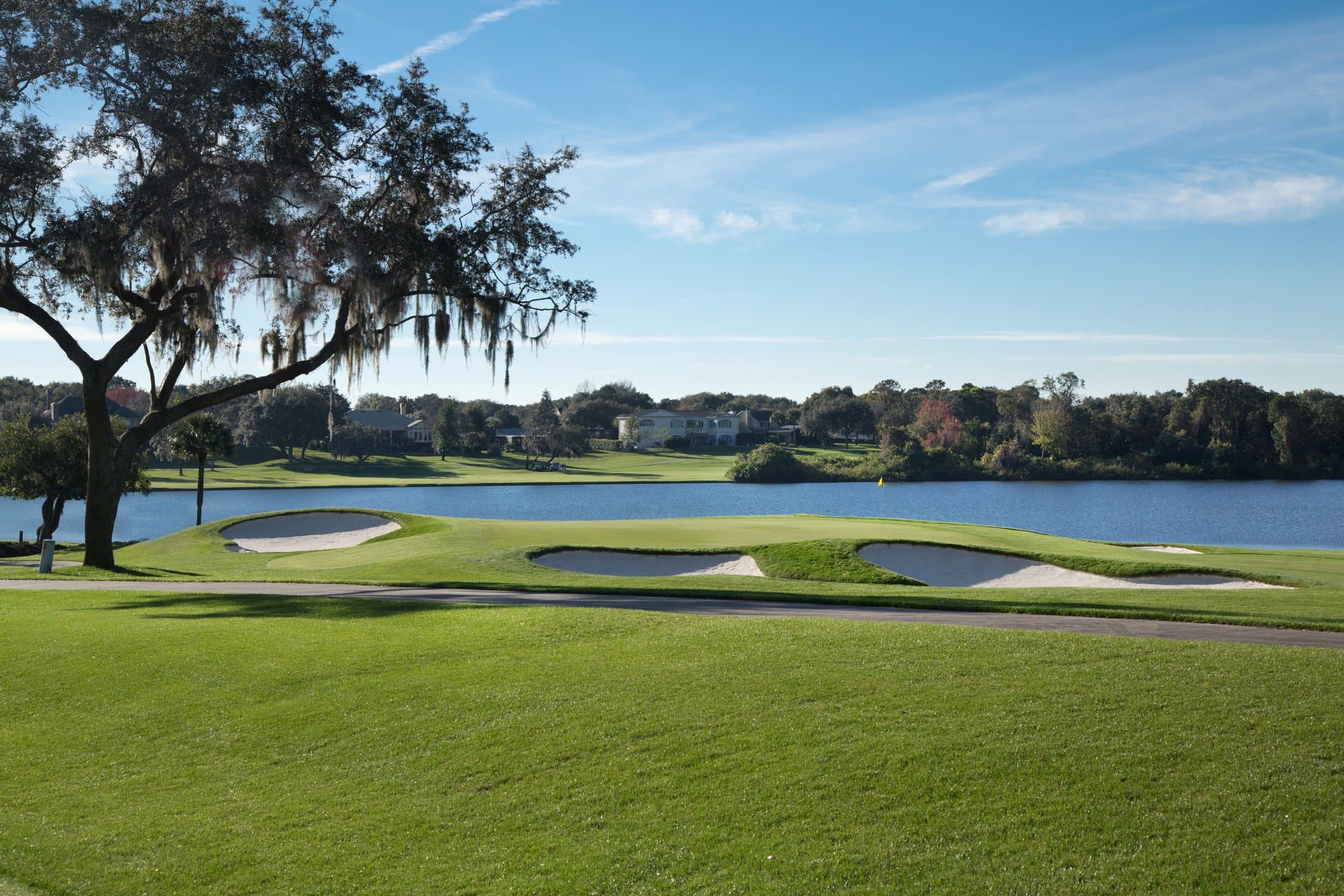
Robert Trent Jones Sr. designed Flamingo Island in 1989, and the layout carries his signature combination of large greens, dramatic bunkering, and water hazards that define the edges of play rather than ambushing the center of it. Water appears on twelve holes, which sounds relentless but functions more as a routing device than a punishment. The course runs 7,171 yards from the tips with a slope of 135, and the forward tees bring it into comfortable range for golfers still shaking off the travel fog. Green fees run $150 to $200 in peak season. Cart is included.
Flamingo Island is the right opening round because it calibrates expectations without depleting the budget. The conditioning is strong, the design is classical, and the pace of a late-afternoon round at Lely tends to be relaxed enough that the group arrives at dinner without the fatigue that an aggressive first-day schedule produces.
Dinner on the first evening stays simple. The restaurants along US-41 near the hotel or the clubhouse grill at Lely are sufficient. Save the serious dining for Day 3.
Day 2: Tiburon Gold Course, Beach Afternoon
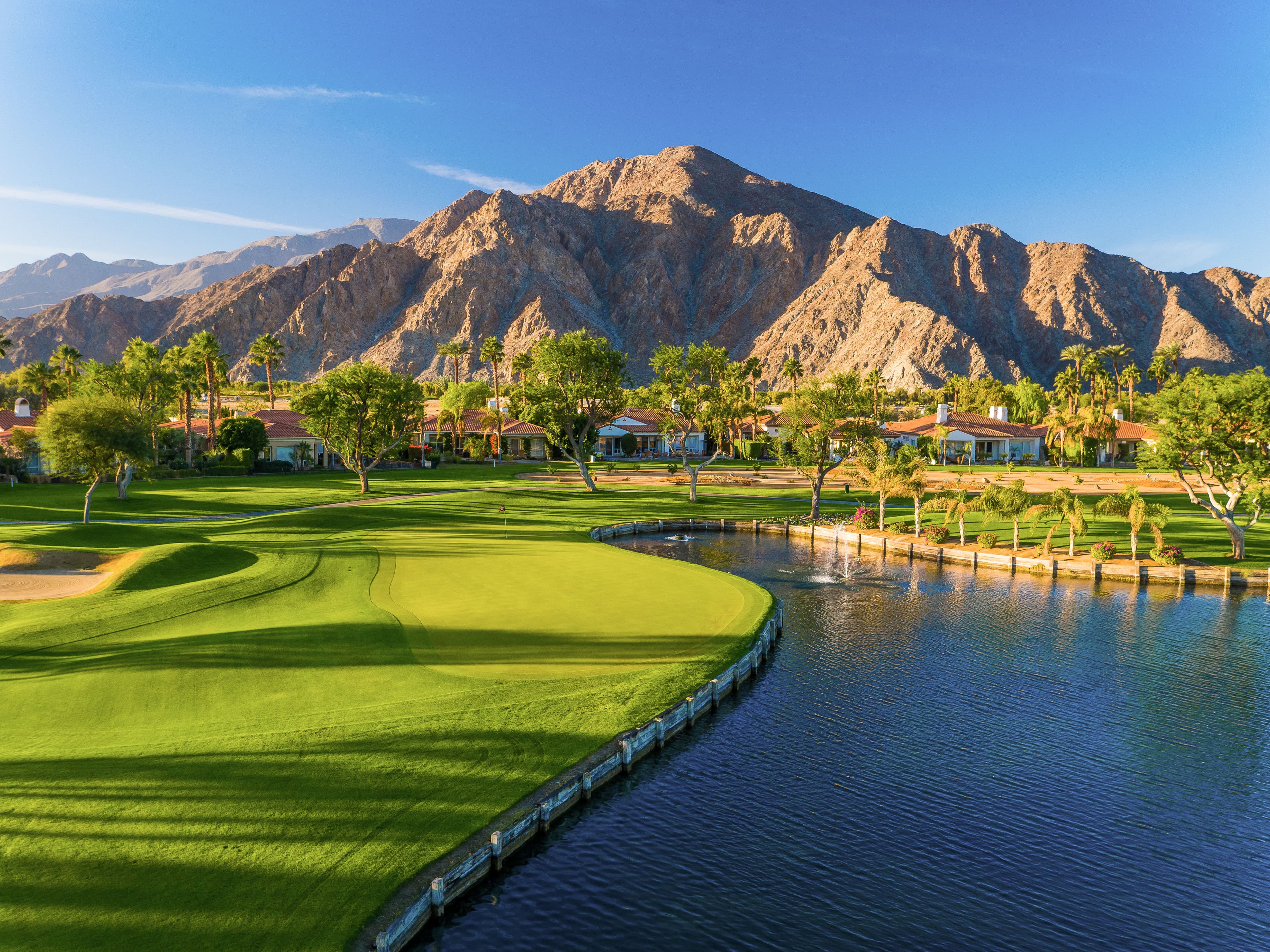
Book a morning tee time at the Tiburon Gold Course, the anchor round of the trip. Greg Norman designed the Gold in 1998, and it has since hosted the PGA Tour's QBE Shootout and the LPGA's CME Group Tour Championship. The course is maintained to broadcast standards during peak season, and the difference between Tiburon's turf and a typical resort layout is apparent from the first fairway. Norman's stacked sod-wall bunkers give the Gold a links-adjacent visual identity that is distinctive in a region of tropical landscaping, and the strategic demands reward accurate iron play over raw distance. At 7,288 yards with a slope of 137, the Gold plays long but fair. Green fees range from $250 to $500, with dynamic pricing that rewards midweek bookings and shoulder-month travel.
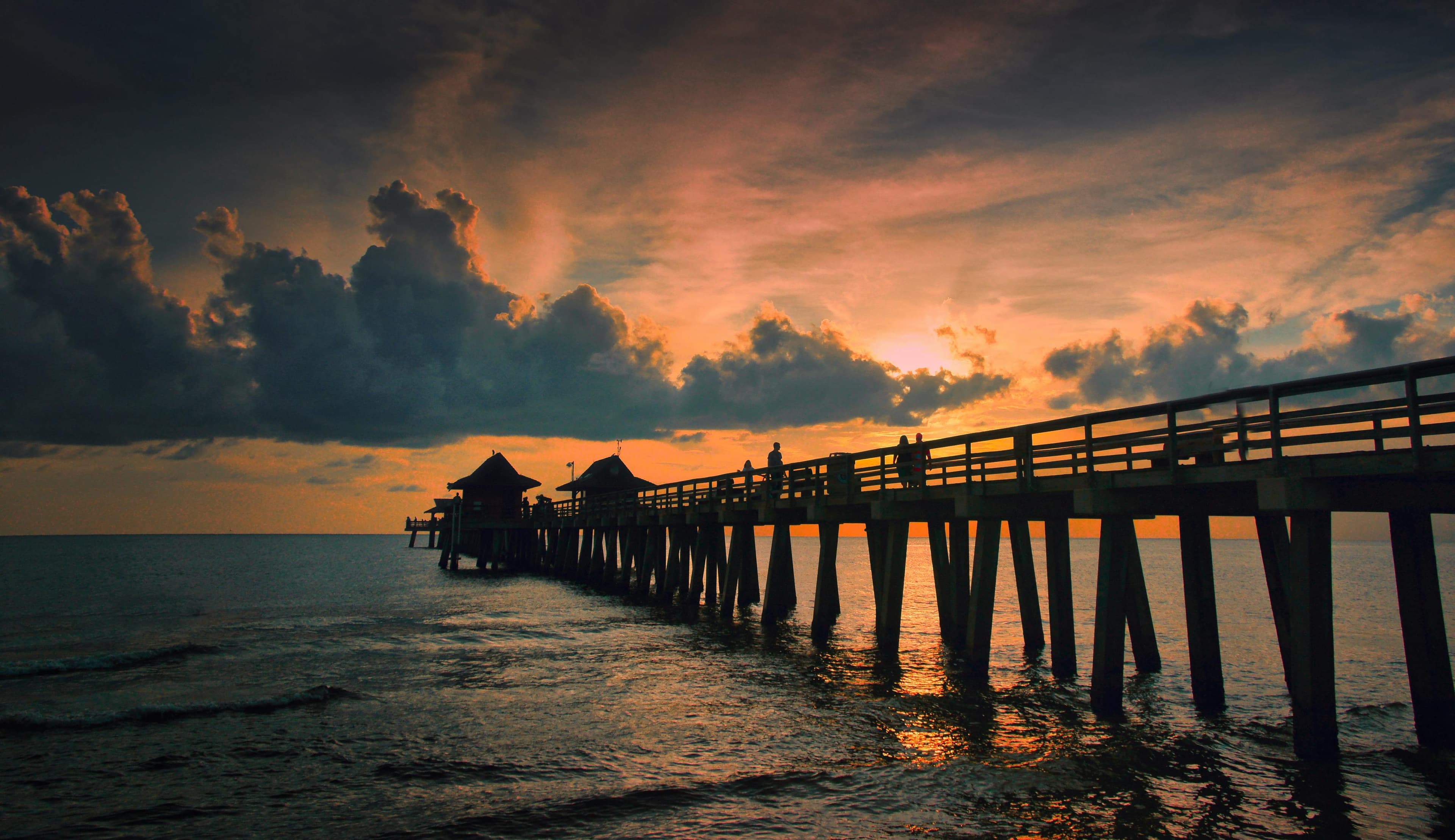
After the round, shift the afternoon to the beach. The Gulf water is warm enough for swimming from November through April, and the sand quality on this stretch of coastline is genuinely fine-grained in a way that distinguishes it from the East Coast barrier islands. An afternoon at the beach or the hotel pool provides the physical contrast that keeps a multi-day golf trip from compounding fatigue.
Vanderbilt Beach and Delnor-Wiggins Pass State Park are the strongest options north of downtown, both within twenty minutes of Tiburon.
Among the Naples best courses, the Gold stands out for its tournament pedigree and the conditioning that comes with it. Playing it on the second day, rather than the first, ensures the group arrives rested and ready for a course that rewards concentration.
Day 3: Tiburon Black Course, 5th Avenue South Evening
Return to Tiburon for the Black Course. Norman opened this second layout in 2001, and it carries a slope of 147, the highest of any publicly accessible course in Naples. The Black earns that rating through undulating greens, crushed coquina waste areas, and pine straw-lined corridors that penalize offline shots with uneven lies and obstructed recoveries. At 7,005 yards, the Black is shorter than the Gold by nearly 300 yards, but the ten-point slope differential tells the real story. The greens are the primary source of difficulty. Three-putts come from misreads, not poor strokes, and the cumulative effect over eighteen holes separates the Black from everything else in the destination.
The recommended sequence of Gold first, Black second, is deliberate. The Gold establishes the resort standard and the conditioning baseline. The Black raises the strategic demands and provides what is often the more memorable round. Golfers who play both courses tend to leave talking about the Black, which is the quieter layout with the louder architecture.
Tip
Day 4: Lely Mustang, Then Depart
The final round returns to Lely Resort for the Mustang course. Lee Trevino designed the Mustang in 1996, and it reflects his playing philosophy: challenge the accomplished golfer without punishing the recreational player. At 7,230 yards from the tips with a slope of 141, the Mustang is a serious test from the back tees, but the forward options scale the difficulty down meaningfully. Twelve lakes integrate into the routing as lateral boundaries rather than forced carries. Green fees match the Flamingo Island pricing at $150 to $200 in peak season, cart included.
The Mustang works as a closing round because it pairs well with departure logistics. Lely Resort sits in East Naples, and the drive north to RSW takes roughly 40 minutes. Book a morning tee time, finish by early afternoon, and the airport timeline remains comfortable for late-afternoon or evening flights.
Budget Overview
A four-day trip with three nights of accommodation and four rounds runs approximately $1,400 to $2,600 per person based on double occupancy.
| Category | Estimated Range |
|---|---|
| Accommodation (3 nights) | $400-$900 |
| Green fees (4 rounds) | $700-$1,400 |
| Rental car (4 days) | $120-$200 |
| Dining | $200-$350 |
Lodging drives the variance. The Ritz-Carlton Golf Resort at Tiburon anchors the high end, while the Inn at Pelican Bay or a Marriott-family property along US-41 brings the nightly rate below $200 during shoulder months. Stay-and-play packages through Tiburon frequently bundle accommodation with discounted green fees across both courses, reducing the total below the sum of individual bookings. Groups of four splitting a vacation rental in Bonita Springs can push per-person accommodation costs lower still.
When to Go
Peak season runs November through April. Afternoon highs range from the mid-70s in January to the low 80s in April, humidity stays manageable, and rainfall is minimal. Course conditions reach their annual best during these months, and Tiburon's tournament-caliber maintenance is most evident from December through March. Green fees and hotel rates reach their maximums during the same window, with February and March representing the pricing peak.
Weather conditions are comparable to the winter months, but green fees drop 15 to 25 percent and tee time availability improves noticeably. For golfers with schedule flexibility, these shoulder weeks within the broader season deliver the same courses in the same condition at a meaningfully lower cost.
November and April offer the strongest value within the peak season.
The verdict