The destination
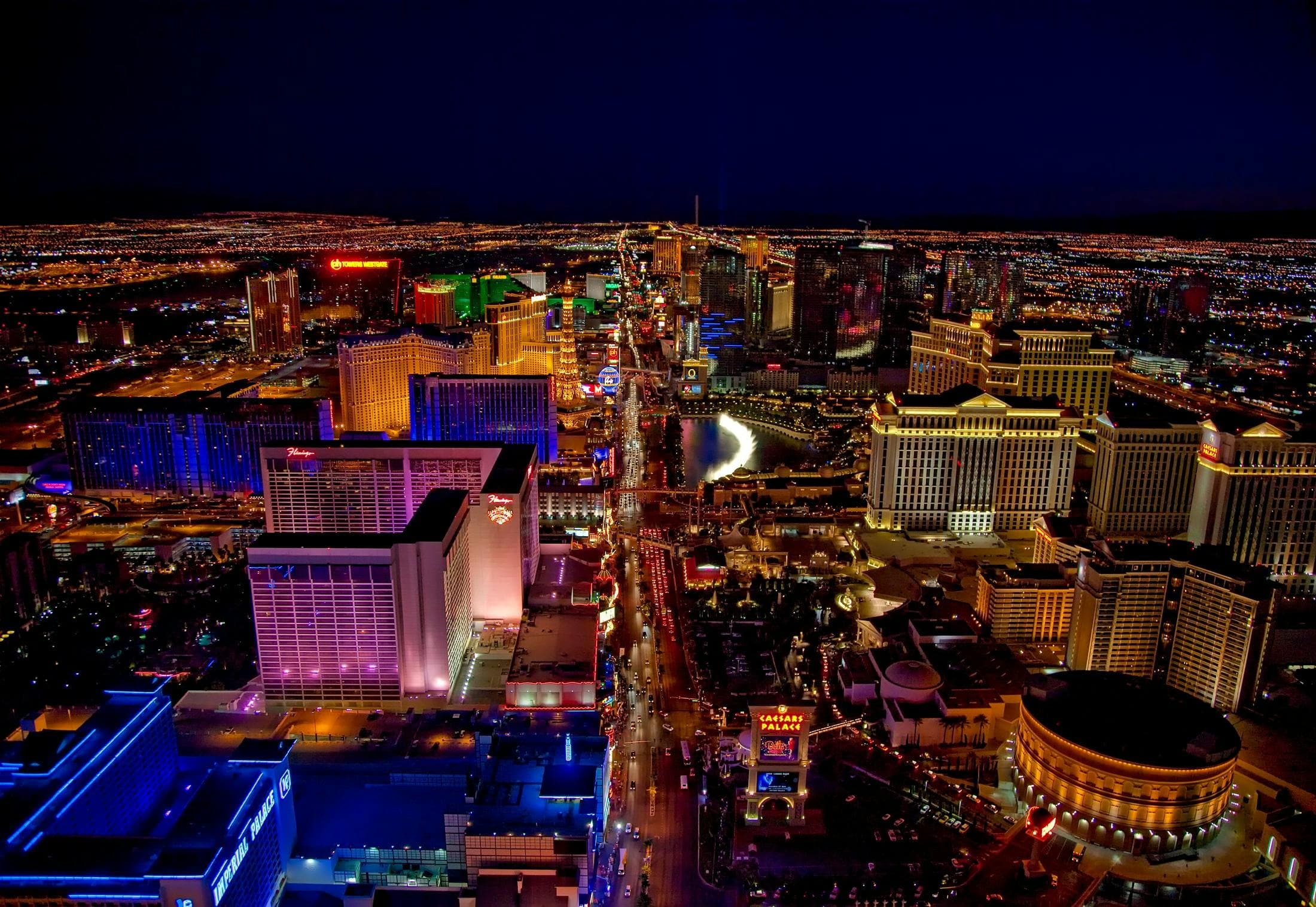
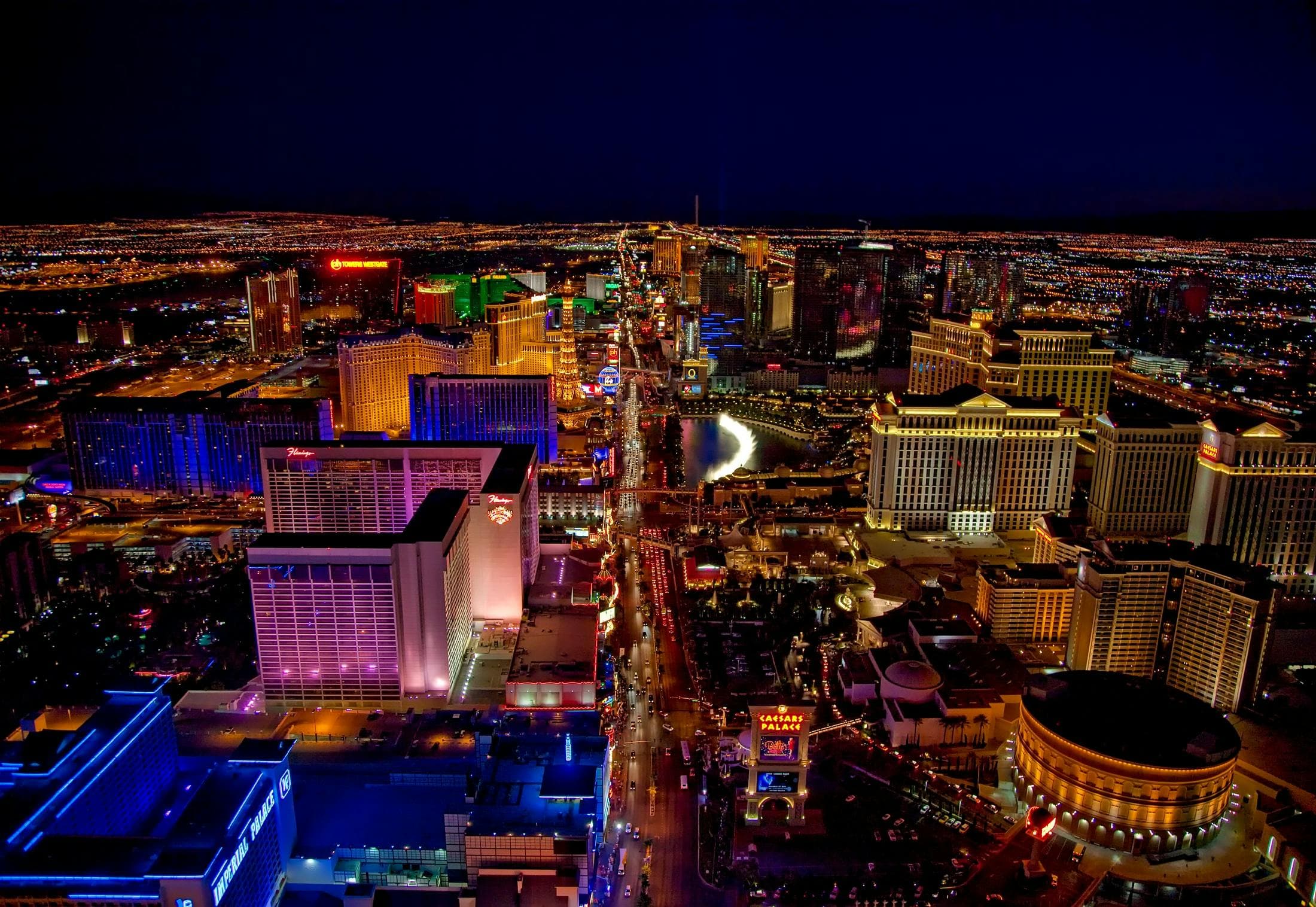
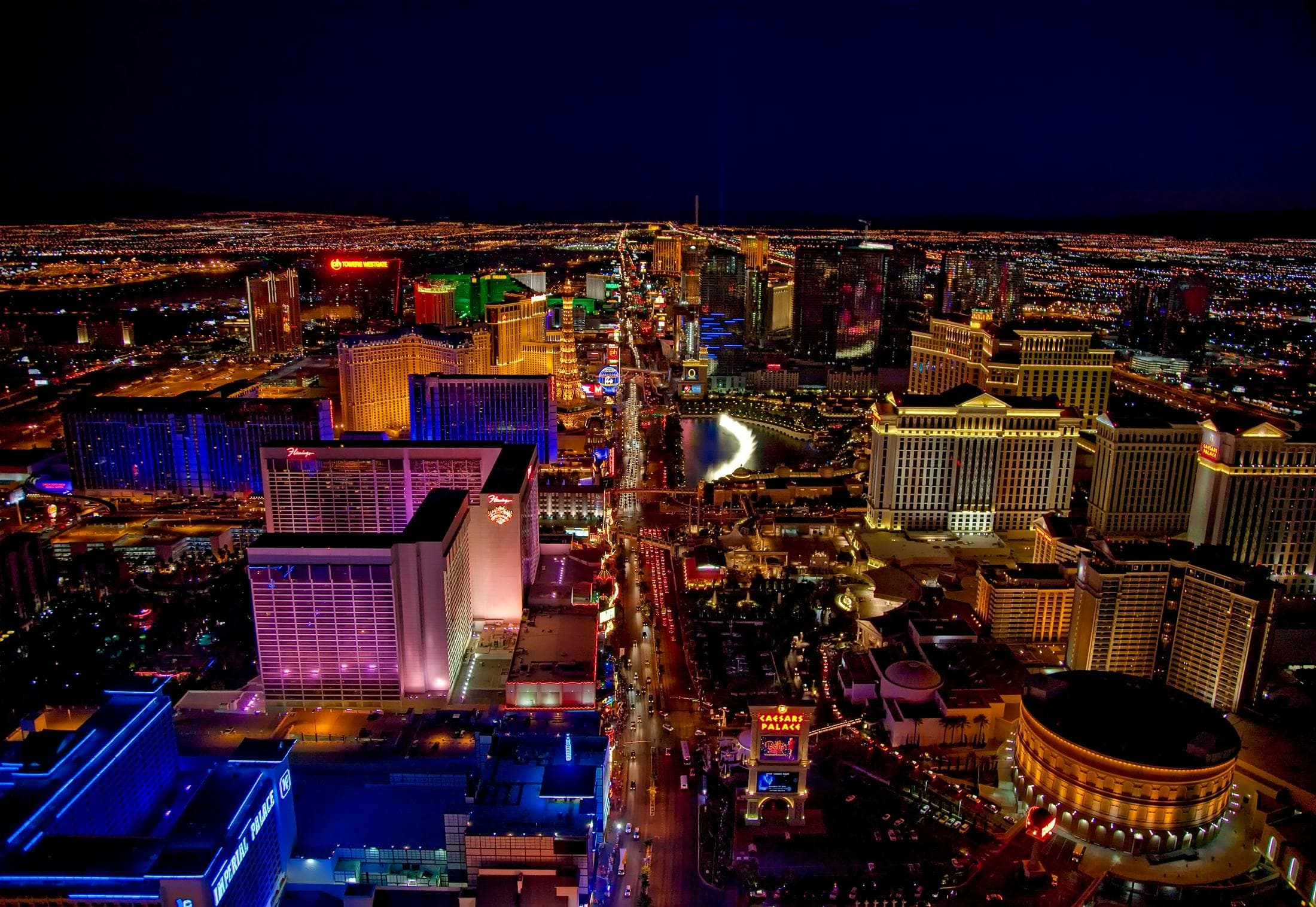
Las Vegas is not a golf destination that happens to have casinos. It is a casino city that happens to have very good golf, and that distinction matters. The courses here exist because the tourism infrastructure demanded them: resorts needed amenities and the desert provided enough open land to build them. The result ranges from a $1,250 flat-fee experience carved from the desert floor north of the Strip to three Pete Dye courses on tribal land 35 miles out of town, with meaningful variety in between. No other American golf destination packages serious golf inside a city built for everything else.
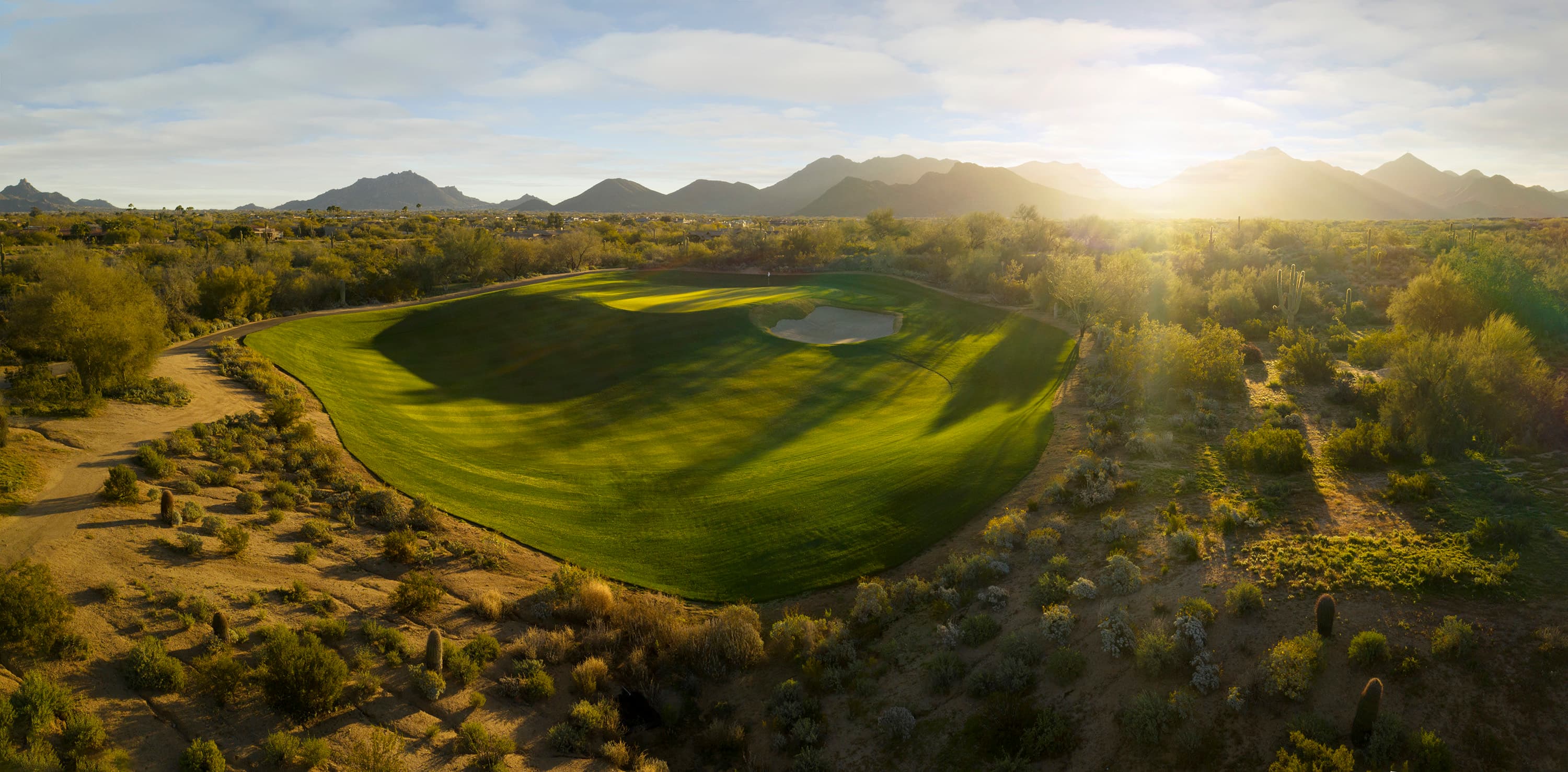
The desert setting shapes the experience beyond scenery. Arroyos, elevation changes, and exposed desert rock define the routing at Serket and Cascata; the Paiute Resort courses spread across open terrain with mountain views in every direction. The air is dry, the ball flies farther than you expect, and from June through August the heat makes early morning tee times a requirement.
Where to stay in Las Vegas
Live prices from Booking.com, Expedia and more — every nearby hotel and rental in one search.
Prices and availability from Booking.com, Expedia and others via Stay22. GolfTrailsHQ may earn a commission at no additional cost to you.
The courses
Shadow Creek stands alone at the top. Tom Fazio built it in 1989 on flat desert north of the Strip at a reported cost of $60 million. Rolling hills, mature trees, creeks, and a waterfall occupy ground that was barren scrubland. Access requires a stay at an MGM Resorts property, with Monday through Thursday tee times the only option for non-invited guests. The $1,250 green fee includes a caddie; walking is mandatory. The course ranked 24th on Golf Digest's 100 Greatest and 3rd among the 100 Greatest Public in the 2025-26 lists.
Wynn Golf Club is the only course on the Strip itself, reopened in 2019 after Tom Fazio and Logan Fazio rebuilt eight holes. Access is limited to Wynn and Encore hotel guests. Cascata, a Rees Jones design in Boulder City roughly 30 minutes from the Strip, features a 418-foot waterfall cascading through the clubhouse and ranks among Nevada's top ten. Serket Golf Club (formerly Rio Secco) sits in Henderson on a Rees Jones desert-canyon routing and is home to the Butch Harmon School of Golf. Reflection Bay at Lake Las Vegas is the only Jack Nicklaus Signature course in Nevada.
The three Pete Dye courses at Las Vegas Paiute Golf Resort, 35 miles northwest on Paiute tribal land, form the most complete complex in the market. The Wolf Course, at 7,604 yards, is the longest layout in the city. Sun Mountain is the most playable while retaining Dye's railroad-tie bunkers. Snow Mountain, the original 1995 course, is the most forgiving. TPC Las Vegas (Bobby Weed and Raymond Floyd) rounds out the lineup as a PGA Tour-managed facility.
A note on Bear's Best Las Vegas: the Jack Nicklaus design closed to public play in June 2025 after Mulligan Holdings acquired the property and is no longer accessible for visiting golfers.
When to go
The golf calendar divides cleanly into four seasons, and the difference between best and worst months is dramatic. Peak runs March through April and October, with daytime highs in the 70s and low 80s and courses in their best condition. Shoulder months of May and November bring 20 to 30 percent off peak rates with comfortable conditions. Off-peak summer (June through August) brings highs of 99 to 105, and the strategy is dawn tee times with afternoons reserved for the pool. Off-peak winter (December through January) brings cool mornings, midday rounds in the 50s and 60s, and 35 to 45 percent off rates.
Getting there
Harry Reid International Airport (LAS) is one of the best-connected airports in the country, with direct flights from virtually every major US city and competitive fares year-round. The terminal sits roughly two miles south of the Strip. A rental car is recommended for most golf itineraries because the best courses are spread across a wide geography: Paiute Resort is 35 miles northwest, Cascata is 30 miles southeast in Boulder City, and the Lake Las Vegas complex is 25 miles east. Strip parking carries a daily fee at most casino hotels, which is worth factoring into the rental decision.
Beyond the course
Las Vegas provides more non-golf activity per square mile than any destination in this guide. Cirque du Soleil operates six current productions across the Strip. The natural surroundings, often overlooked by visitors who never leave the casino floor, are legitimately impressive. Red Rock Canyon, 20 minutes west, offers a 13-mile scenic loop through sandstone formations. Valley of Fire State Park rewards a half-day excursion 50 miles northeast. Hoover Dam pairs naturally with a round at Cascata. The Vegas equation is unique: the courses are good enough to anchor a trip, but the city's broader appeal means the golf competes for attention with dining, entertainment, and the particular energy of the Strip. Three to four nights is the right window.