How to Plan the Perfect Buddies Golf Trip
The buddies golf trip occupies a particular place in the American sporting calendar. It is not a vacation in any traditional sense. Nobody comes back rested. The golf is often mediocre, the arguments about side bets carry forward for months, and the organiser spends the weeks leading up to departure managing a group text thread that would test the patience of a hostage negotiator. And yet the trip endures, year after year, because nothing else quite replicates the experience of spending three or four days with old friends on a course in a place that is not home.
The difference between a trip that becomes an annual tradition and one that quietly dies after a single attempt usually comes down to planning. Not over-planning, which kills the spontaneity that makes these trips memorable, but the right kind of planning: the structural decisions that prevent logistical friction from overwhelming the fun. What follows is a framework built on what works, informed by the destinations and course networks we cover across the platform.
Start With the Group, Not the Destination
A trip to Bandon Dunes is a different proposition than a trip to Myrtle Beach, and the distinction is not just about price or geography. Bandon requires walking 18 to 36 holes a day on undulating coastal terrain. It rewards the group that treats golf as the central activity and everything else as secondary. Myrtle Beach accommodates the group where three players want 36 holes, four want one round with an afternoon at the beach, and one person came primarily for the restaurants.
The most common mistake in buddies trip planning is choosing the destination before understanding the group.
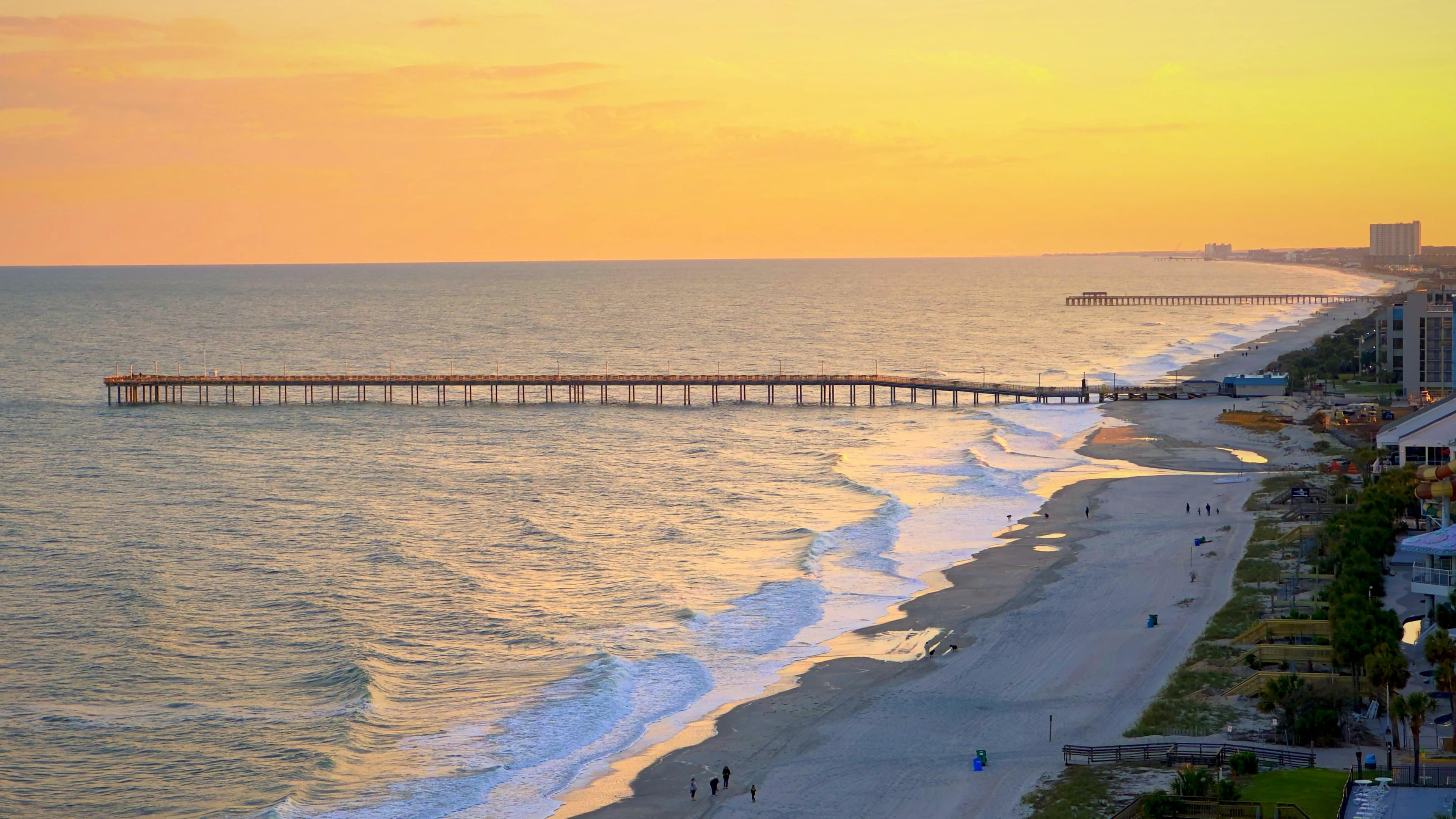
TPC Myrtle Beach
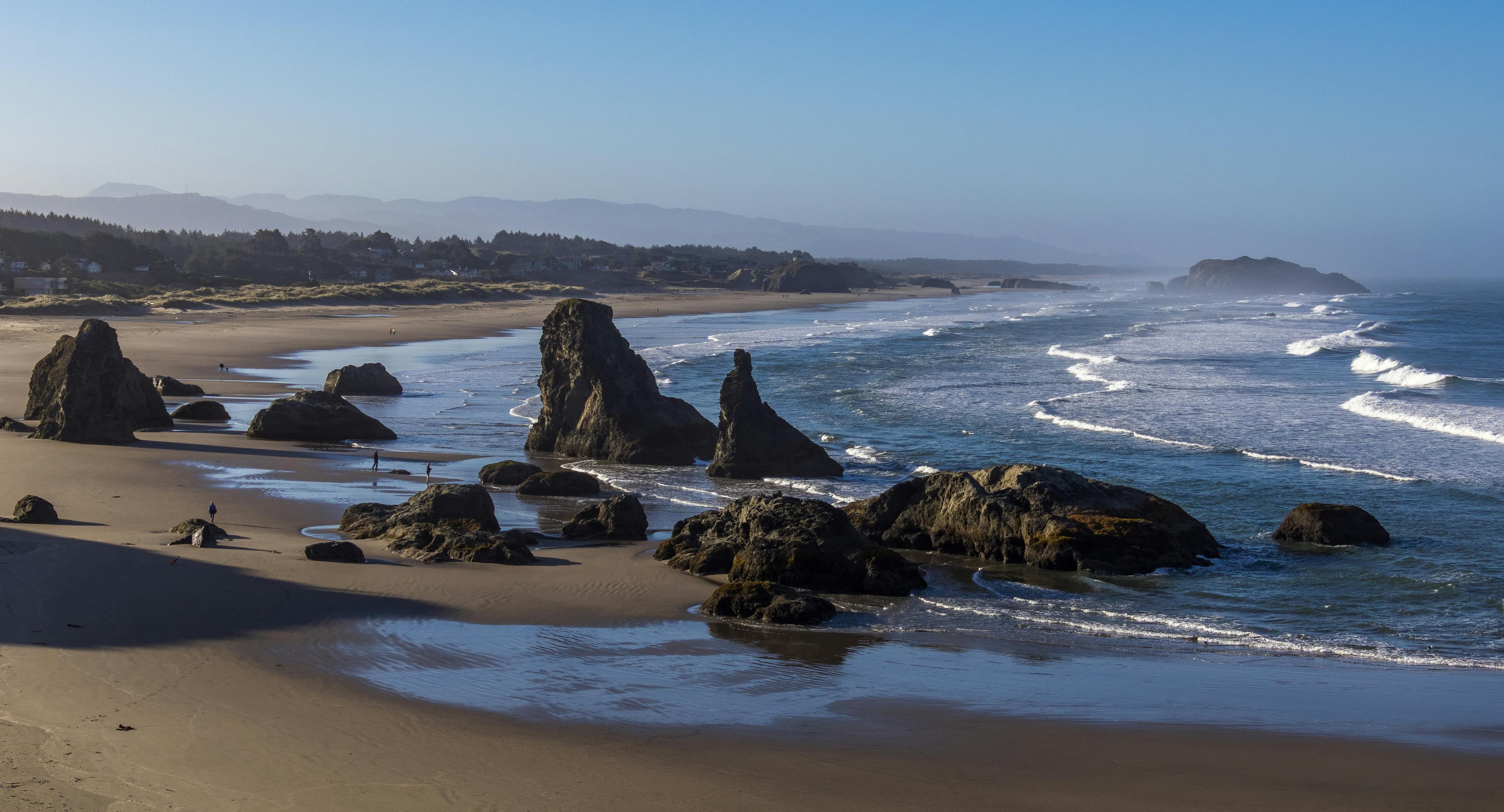
Bandon Dunes
Before selecting a destination, answer three questions honestly. First, what is the realistic fitness level of the least fit member? Walking-only courses and 36-hole days are aspirational for many groups and miserable in practice for some. Second, what is the budget of the most budget-conscious member? The trip should be planned to the tightest wallet, not the most generous one. Third, how many days can the group genuinely commit? Four days is the sweet spot for most working adults. Three works. Five is ambitious and often results in at least one early departure, which changes the dynamic for everyone.
Choosing the Right Destination
Once you understand your group, the destination question narrows considerably. The major American golf destinations fall into natural categories for buddies trips.
For value and volume: Myrtle Beach remains unmatched. Eighty courses along a sixty-mile corridor, stay-and-play packages that bundle tee times with oceanfront condos, and a dining scene that ranges from waterfront seafood at Murrells Inlet to straightforward steakhouses. A group of eight can play four rounds over three days, stay in a shared rental house, and spend under $1,500 per person including flights. The course quality at the top end is genuine: Caledonia Golf and Fish Club and True Blue both reward the round you build the trip around. The Robert Trent Jones Trail in Alabama offers a similar value proposition across a road-trip format, with 26 courses at 11 sites and green fees that rarely exceed $70.
For a premium experience without excess: Pinehurst handles groups of eight to sixteen with unusual efficiency. Nine courses on one resort property eliminate the logistical headache of shuttling golfers across a metropolitan area. Everyone sleeps within walking distance of the first tee. The village has enough restaurants and bars to sustain three evenings without repetition, and the golf, particularly No. 2 and No. 4, provides the kind of shared experience that gives the trip its gravity.
For the trip you tell stories about: Bandon Dunes exists in a category of its own. Five full-length courses on the Oregon coast, all walking-only, all routed through terrain that makes your home course feel like a parking lot. The isolation is the point. The resort is three hours from the nearest commercial airport and there is little to do in the evenings beyond replaying the round over drinks at the lodge. This constraint is what makes Bandon trips legendary: the group stays together because there is nowhere else to go. Plan for at least three nights and four rounds. Anything less feels rushed.
For the group that wants more than golf: Scottsdale and Las Vegas both deliver quality golf alongside a full menu of non-golf activities. Scottsdale's advantage is the course quality: We-Ko-Pa Saguaro, Troon North Monument, and TPC Scottsdale Stadium all rank among the best public courses in the Southwest. Las Vegas trades some course prestige for everything else the city offers after sundown. Both destinations handle large groups well, with deep hotel inventory and direct flights from most major cities.
The Budget Conversation
Money ends more friendships than golf. Address the budget early, directly, and without ambiguity.
The simplest approach is a single per-person cost that covers all shared expenses: accommodation, green fees, car rental, and group dinners. Individual spending on side bets, drinks, and personal purchases stays separate.
This structure avoids the problem of one person ordering the most expensive item on the menu while another is quietly tracking every dollar.
Build the budget in tiers. Accommodation is typically the largest variable: the difference between a shared VRBO rental house and individual resort hotel rooms can be $100 to $200 per person per night. Green fees are the second variable, and they vary enormously by destination and season. A January round at TPC Scottsdale Stadium Course costs over $400. The same quality of experience at Caledonia in November costs half that. Car rental, split four or five ways, adds $20 to $40 per person per day. Food is the hardest expense to predict, but budgeting $50 to $75 per person per day for group dinners and lunches covers most scenarios outside Las Vegas and resort restaurants.
For a rough benchmark: a three-night buddies trip with four rounds costs $1,200 to $1,800 per person at a value destination, $1,800 to $3,000 at a mid-range destination, and $3,000 to $5,000 at a premium destination. These ranges assume shared accommodation and do not include airfare.
Tee Time Strategy
Tee time booking is where the organiser earns the group's respect or loses it. The logistics of getting eight, twelve, or sixteen golfers onto the same course at consecutive tee times require advance planning that most people underestimate.
Tip
Request consecutive tee times. A group of twelve needs three consecutive slots, and most courses space tee times eight to ten minutes apart. This means the first group tees off roughly twenty minutes before the last group, which is manageable. If the course cannot accommodate consecutive times, ask about a shotgun start, which works for groups of sixteen or more and keeps everyone finishing around the same time.
Consider alternating premium and value rounds. Playing the best course on the itinerary every day is expensive and exhausting. A smarter approach is to anchor the trip with one or two premium rounds and fill the remaining slots with mid-range or value courses that still deliver quality golf. At Myrtle Beach, this might mean Caledonia and TPC Myrtle Beach as the anchor rounds, with Legends Heathland and Crow Creek as the supporting rounds. At Scottsdale, TPC Stadium and Troon North Monument might bookend the trip, with Talking Stick and Papago filling the middle days at a fraction of the cost.
Accommodation That Works for Groups
The accommodation decision shapes the trip more than most organisers realise. The choice is not just about comfort and price; it is about proximity and cohesion.
Rental houses, particularly through VRBO, are the default for buddies trips of eight or more, and for good reason. A four-bedroom house keeps the group under one roof, provides a kitchen for breakfasts and late-night gatherings, and costs less per person than individual hotel rooms. The kitchen alone saves hundreds of dollars over a long weekend. At Myrtle Beach, group houses near Barefoot Resort or in the North Myrtle Beach area are plentiful and affordable. At Scottsdale, private homes with pools in the North Scottsdale corridor offer the same benefit in a different climate.
Resort hotels work better for smaller groups of four to eight, particularly at destinations where the courses are on the resort property. Pinehurst, Streamsong, and Bandon Dunes all concentrate lodging and golf in a way that eliminates the need for a rental car once you arrive. The convenience premium is worth paying if the group values simplicity over savings.
Proximity to the courses matters more than proximity to restaurants or nightlife. A rental house thirty minutes from the first tee adds an hour of driving to every day, which compounds over a long weekend into genuine fatigue. Prioritise location within fifteen minutes of the primary courses.
Managing the Group Dynamic
A section that no planning guide wants to include but every organiser knows is necessary: how to manage the human element.
Assign a single organiser and give that person decision-making authority on logistics. Design by committee does not work for golf trips. The organiser chooses the dates, books the tee times, reserves the accommodation, and communicates the per-person cost. Everyone else's job is to say yes or no and send the deposit on time.
Set a deposit deadline and enforce it. The most common cause of trip failure is the slow decline of uncommitted participants. Set a date by which everyone pays a non-refundable deposit, typically 60 to 90 days before the trip. After that date, the group is locked and the planning proceeds without the people who could not commit.
Build flexibility into the schedule. Not every day needs to be a 36-hole marathon. Leave one afternoon open for the group members who want to rest, explore the area, or simply sit by the pool. The trip is stronger when it includes some unstructured time.
Finally, establish the side bet structure before the first round. Nassau, skins, wolf, modified Stableford: the format matters less than the consistency. Use the same format every round and the same stakes every day. Escalating stakes over the course of the trip feels exciting in theory and creates tension in practice.
The Trip That Lasts
The buddies golf trip, done well, becomes the fixed point in an otherwise shifting calendar. Jobs change, families grow, people move to different cities. The trip remains. The goal of planning is not to create a perfect experience but to create a repeatable one. Choose a destination the group can afford. Book courses the group can enjoy regardless of handicap. Stay somewhere that keeps the group together. Handle the money cleanly and the logistics efficiently. Everything else, the arguments over whose drive was in the fairway, the late-night card games, the one member who always oversleeps, happens on its own. Your job is to make sure it has a place to happen.