The Best Jack Nicklaus Courses Open to the Public
Jack Nicklaus has designed over 400 courses worldwide, a portfolio that reflects both his prolific output and his particular design sensibility. Nicklaus courses tend to favour length, strategic bunkering, and large, multi-tiered greens that reward precision with the approach shot. His designs are often described as "championship" courses, which is not merely marketing: many of his layouts have hosted major professional events, and the design philosophy assumes a golfer who can hit the ball high, far, and accurately. From the appropriate tees, his courses are accessible to a broad range of players. From the back tees, they are tests that even professionals respect.
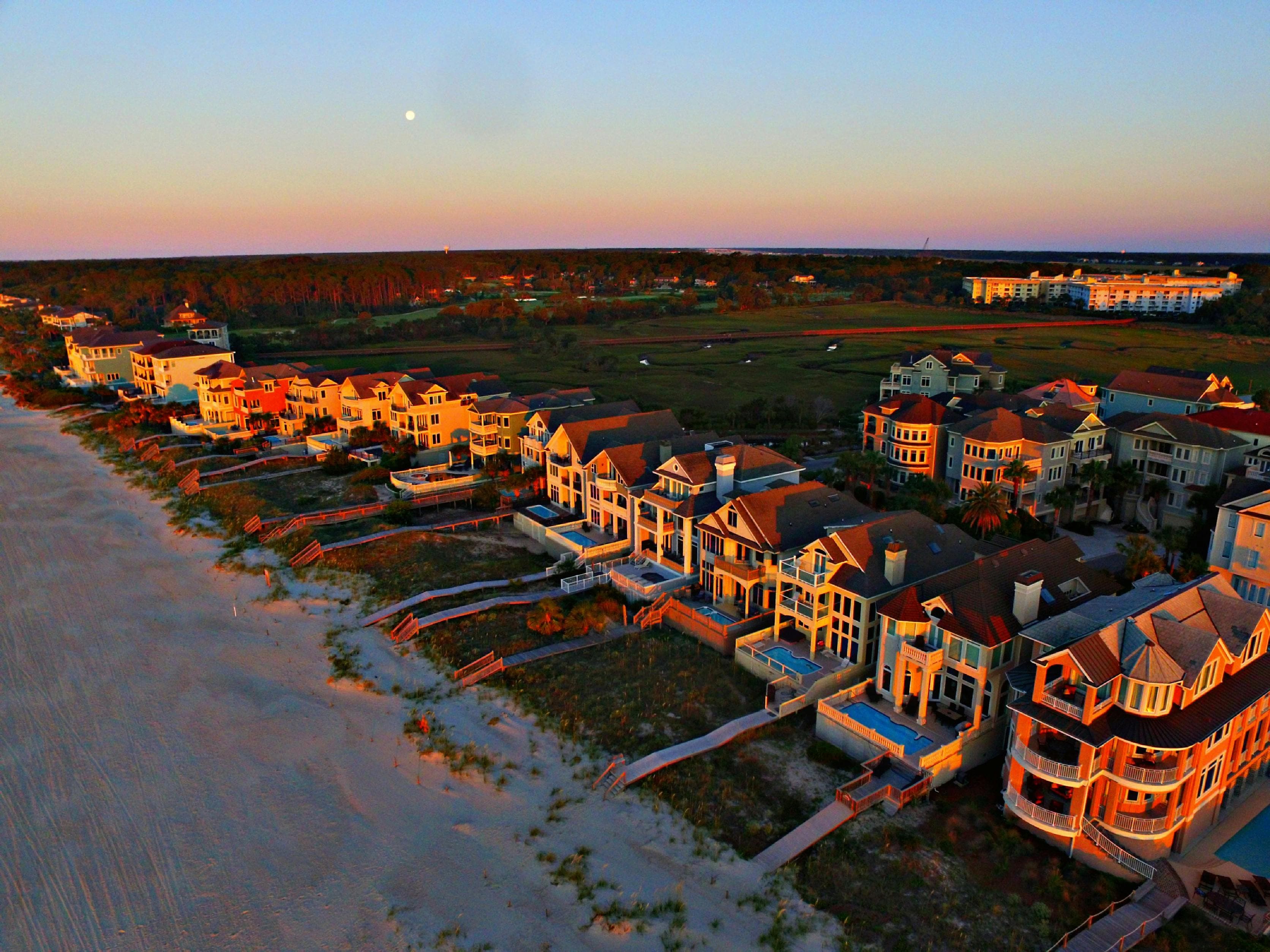
1. Harbour Town Golf Links, Hilton Head Island, South Carolina
It is the least "Nicklaus-like" course on this list: narrow fairways, small greens, and an emphasis on precision over power. The collaboration with Dye produced something that neither designer would have created alone, and the 18th along Calibogue Sound to the lighthouse remains one of the game's great finishing holes.
Nicklaus consulted with Pete Dye on the original design of Harbour Town in 1969, and the result is one of the most celebrated courses in American golf.
2. Villas of Grand Cypress (New Course), Orlando, Florida
Nicklaus designed the New Course at Grand Cypress as a tribute to the Old Course at St Andrews, with double greens, shared fairways, and a links-like atmosphere transplanted to central Florida. The concept is unusual and the execution is faithful enough that golfers who have played St Andrews will recognise the references. Green fees are mid-range by Orlando resort standards, and the course provides a strategic experience unlike anything else in the area.
3. Reflection Bay Golf Club, Henderson, Nevada
Nicklaus designed Reflection Bay on the shores of Lake Las Vegas, with several holes playing along or across the lake. The desert mountain backdrop and the lake reflections create a visual experience that rivals the more famous Las Vegas courses at a lower green fee. The design is strategic, with water, bunkers, and elevation changes creating decisions on nearly every hole.
4. Old Greenwood, Truckee, California
Nicklaus designed Old Greenwood in the Sierra Nevada above Lake Tahoe, with the course playing through Jeffrey pine forest at roughly 5,800 feet of elevation. The mountain setting provides the scenery, and Nicklaus's routing uses the natural terrain to create holes with strategic variety. The thin mountain air affects ball flight, and the elevation changes between tees and greens add a vertical dimension to the design.
5. Pawleys Plantation, Pawleys Island, South Carolina
Nicklaus designed Pawleys Plantation on a former rice plantation in the Lowcountry, with marsh views, mature trees, and strategic water features. The course sits near Caledonia and True Blue in the Pawleys Island corridor, and the Nicklaus design holds its own in that company. Green fees are moderate by Lowcountry standards, and the course rewards the golfer who can navigate the marsh-side holes without becoming too aggressive.
6. Pinehurst No. 9, Pinehurst, North Carolina
Nicklaus's contribution to the Pinehurst Resort portfolio occupies Sandhills terrain with the mature longleaf pines and sandy soil that define the region. The course is less famous than No. 2 or No. 4 but delivers a quality round at a lower green fee (included in resort packages). The Nicklaus design is wider and more forgiving than No. 2, making it a good warm-up or cool-down round in a multi-day Pinehurst itinerary.
7. Turtle Point at Kiawah Island, South Carolina
Nicklaus designed Turtle Point on Kiawah Island with three holes along the Atlantic Ocean. The course is the most accessible of the Kiawah layouts for mid-handicappers, with wider fairways and gentler green complexes than The Ocean Course. The ocean holes provide the visual drama, and the marsh-side interior holes provide the strategic interest. Turtle Point is the Kiawah course that golfers enjoy most when they are not chasing championship pedigree.
8. Bear's Best Las Vegas, Las Vegas, Nevada
Tip
9. Horseshoe Bay (Summit Rock), Horseshoe Bay, Texas
Nicklaus designed Summit Rock on the highest terrain at the Horseshoe Bay resort in the Texas Hill Country, with panoramic views across the hills and Lake LBJ. The elevation changes are dramatic by Texas standards, and the green complexes are characteristically Nicklaus: large, multi-tiered, and demanding of precise approach play.
Summit Rock is the strongest course at Horseshoe Bay and one of the best Nicklaus designs in Texas.
10. The Idaho Club, Sandpoint, Idaho
Nicklaus designed The Idaho Club in the mountains of northern Idaho, with Lake Pend Oreille and the Selkirk Mountains as backdrop. The course is remote, the setting is extraordinary, and the Nicklaus design uses the mountain terrain with a restraint that his flatter-terrain courses sometimes lack. The Idaho Club is the kind of course that golf travellers discover by accident and remember for years.
The Nicklaus Approach
Nicklaus courses share identifiable characteristics: large greens with pronounced contours, strategic bunkering that penalises specific misses, and a design philosophy that assumes the golfer will carry the ball to the target rather than running it along the ground. This aerial emphasis makes Nicklaus courses play differently from the minimalist designs of Coore and Crenshaw or the links-style courses at Bandon and Sand Valley. Whether that difference is a strength or a limitation depends on your design preferences. What is not debatable is that Nicklaus courses, from the appropriate tees, provide championship-quality tests that reward the golfer who can hit specific shots to specific targets.
Harbour Town Golf Links