The Best Golf Destinations for a Reunion Trip
The reunion golf trip is different from the annual trip in one important respect: the people attending may not have seen each other in years. College teammates, military friends, former colleagues, childhood neighbours who scattered across the country. The golf is the stated reason for gathering, but the actual purpose is reconnection, and the destination needs to support both.
This creates specific requirements. It should offer enough off-course time for the conversations that make reunions meaningful. It should accommodate a range of current playing abilities, because people who last played together at 25 arrive at a reunion at 45 or 55 with very different games. And, practically, it should be accessible from multiple origin cities, because reunion groups rarely live in the same region anymore.
The destination should encourage group cohesion rather than fragmentation.
Destinations That Bring People Together
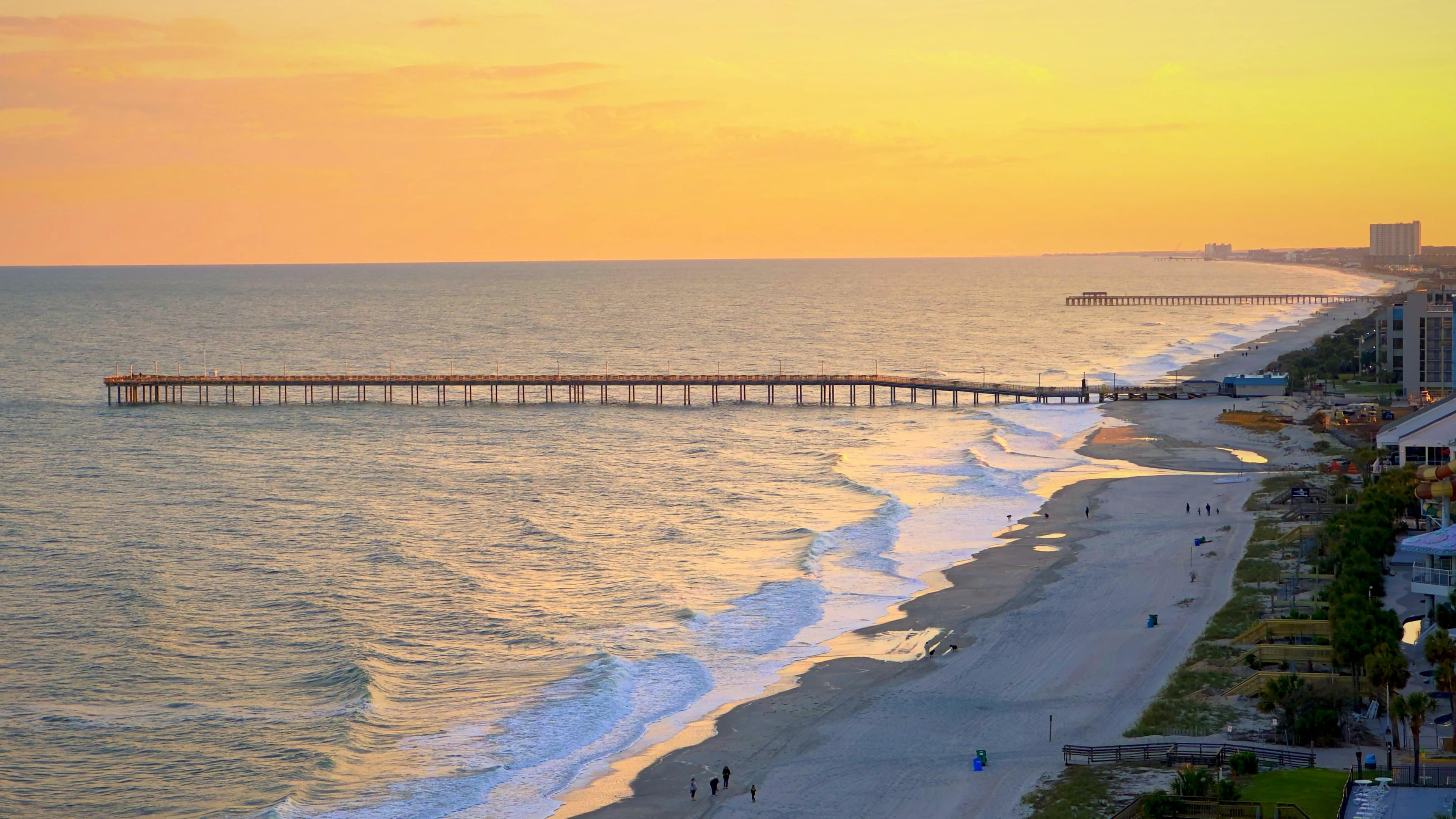
Myrtle Beach, South Carolina. Myrtle Beach is the reunion destination when the group is large and the budget is variable. A reunion of sixteen people will invariably include participants at different financial stages, and Myrtle Beach's pricing accommodates this diversity without forcing compromise. Green fees range from $40 at value courses to $250 at the premium end, allowing the organiser to build an itinerary that includes one aspirational round and three accessible ones. Caledonia Golf and Fish Club provides the round the group will talk about for years. Barefoot Resort and TPC Myrtle Beach fill the remaining days at lower price points without sacrificing quality.
Pinehurst No. 2
TPC Myrtle Beach
A rental house near Barefoot Resort sleeps twelve and costs less per person than most hotel options. The Grand Strand's dining, from Murrells Inlet's waterfront seafood to the restaurant scene in Market Common, provides evenings that do not require excessive planning. For the reunion organiser tasked with gathering twenty people who have not been in the same room in a decade, Myrtle Beach reduces the logistical burden to a manageable level.
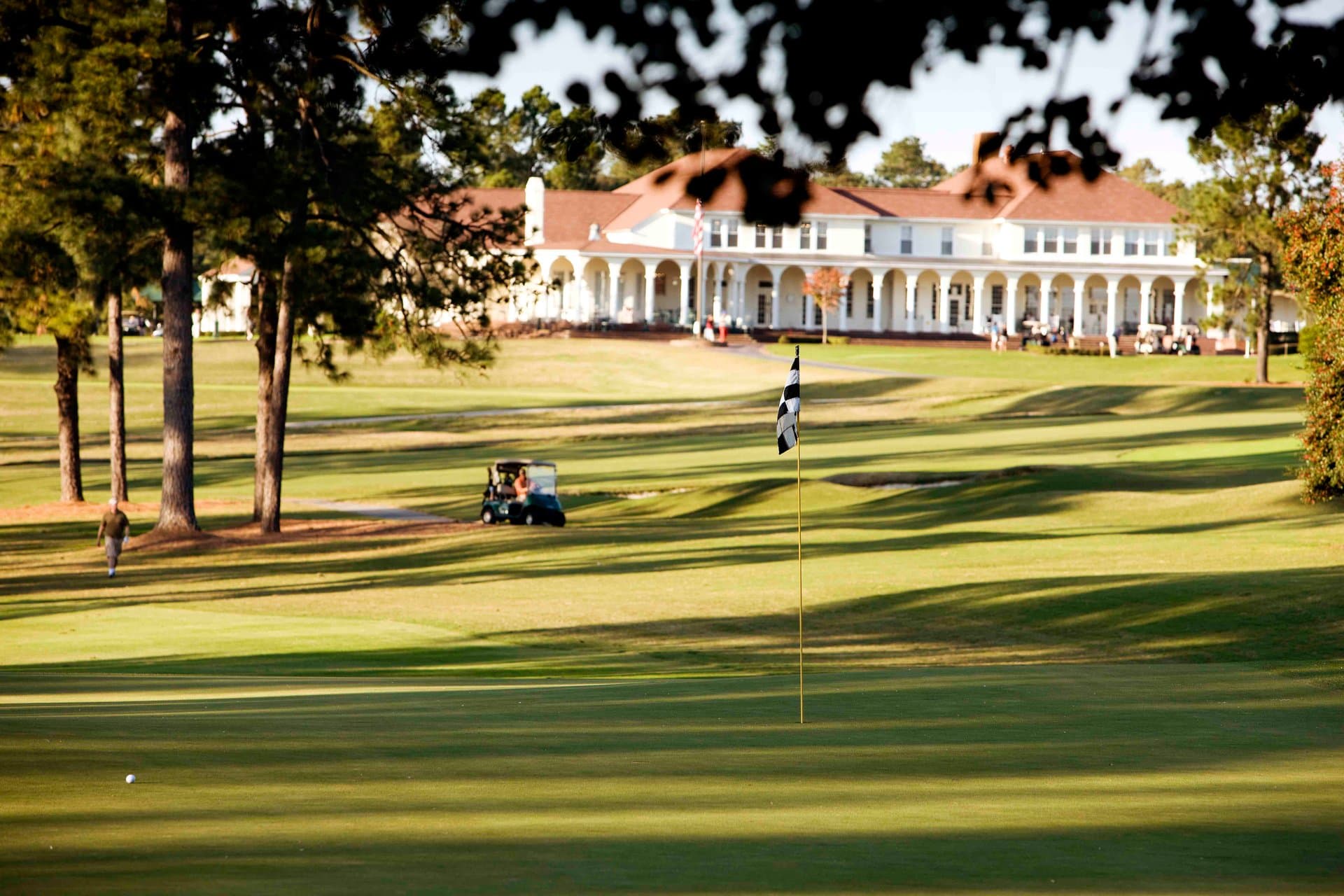
Pinehurst, North Carolina. Pinehurst is the reunion destination that feels like an occasion. The village setting, with its century-old pines and quiet streets, communicates that the group has come somewhere meaningful. Nine courses on one resort property eliminate the logistical challenge of coordinating multiple foursomes across a metropolitan area. Everyone walks to dinner. Everyone gathers at the same bar after the round. The containment is the feature: it prevents the group from splintering into subgroups that drive to different restaurants and lose the collective energy.
Pinehurst No. 2 provides the round that gives the reunion its gravity. Playing a course that has hosted U.S. Opens, on a layout designed by Donald Ross over a century ago, creates a shared experience that transcends the individual scores. No. 4, No. 8, and No. 9 fill the remaining rounds with quality golf at more accessible price points. For the reunion group that wants the trip to feel like it matters, Pinehurst delivers.
Orlando, Florida. Orlando is the reunion destination for the group that includes families. The golf is strong: Arnold Palmer's Bay Hill, the courses at Reunion Resort, and the Streamsong complex two hours south provide more than enough quality rounds for a four-day trip. What sets Orlando apart is the family infrastructure. Non-golfing spouses and children have an entire parallel itinerary available, from theme parks to nature preserves to the restaurant scene along Restaurant Row in the Sand Lake corridor. The reunion does not require anyone to sacrifice their holiday for someone else's golf.
The airport accessibility is exceptional. MCO receives direct flights from virtually every major American city, which matters when the reunion roster includes people flying from Boston, Dallas, Seattle, and Atlanta on the same weekend. Ground transportation is straightforward, accommodation inventory is deep, and the pricing is competitive across all categories.
Scottsdale, Arizona. Scottsdale is the reunion destination for the group that includes non-golfers and wants a setting with character. The course inventory is deep enough for four rounds at different venues, and the non-golf programme, from hiking Camelback Mountain to the spa circuit to Old Town's restaurants, keeps non-playing members engaged. A large rental house with a pool in North Scottsdale becomes the group's base, and the evenings around the pool, with the desert cooling after a day above 80 degrees, produce the extended conversations that reunions exist to create.
We-Ko-Pa Saguaro is the round worth building the trip around: a Coore and Crenshaw design on open Sonoran terrain with mountain views in every direction. Talking Stick provides the accessible round for the members whose games have declined since the group last played together.
Big Cedar Lodge, Missouri. Big Cedar Lodge is the reunion that feels like a retreat. The Ozarks setting, with its forests, lakes, and mountain air, provides a change of pace from the coastal golf destinations that dominate most lists. Payne's Valley, the Tiger Woods design that opened to immediate acclaim, and Ozarks National, a Coore and Crenshaw layout, provide the golf. The fishing, hiking, and waterfront dining provide the non-golf programme. The lodge and cabin accommodation keeps the group in a setting that encourages the kind of unstructured time where reunion conversations happen naturally. The 19th hole at Payne's Valley, a bonus par-3 island green played after the round ends, is the kind of shared moment that gives a reunion its story.
Planning the Reunion Trip
Start early. Reunion groups take longer to organise than established annual-trip groups because the communication channels may not exist yet. Begin with a group text or email eight to ten months before the proposed dates. Identify two or three potential weekends and poll the group. Expect to lose 20 to 30 percent of invitees to scheduling conflicts; plan for the group that says yes rather than holding dates for the group that says maybe.
Choose an accessible hub. Reunion groups assemble from multiple cities, which means the destination should be served by a major airport with non-stop flights from several hubs. Scottsdale (Phoenix Sky Harbor), Myrtle Beach (MYR, plus nearby Charlotte and Raleigh), and Orlando (MCO) all score well on this metric.
Accommodate skill disparity. People's games change over decades. The college teammate who was a scratch golfer may now carry a 20 handicap. Choose courses with multiple tee options and, on at least one day, consider a scramble format that keeps everyone engaged regardless of individual performance. The reunion trip is not the place for competitive formats that expose the gap between the group's best and worst players.
The friend who never played in college may now be the best golfer in the group.
Build in unstructured time. The conversations that make reunions valuable do not happen on a schedule. They happen at the pool, over a late breakfast, during the drive between courses. A reunion itinerary that fills every hour with planned activities prevents the spontaneous interactions that are the trip's actual purpose. Schedule one round per day, leave the afternoons open, and let the group find its own rhythm.
Collect money early, spend it transparently. The reunion organiser's least enviable task is managing money across a group of people who may not know each other's financial situations. Collect deposits early, use a shared expense-tracking app, and communicate costs before they are incurred. The fastest way to ruin a reunion is a financial surprise at the end of the trip.
The verdict