The destination
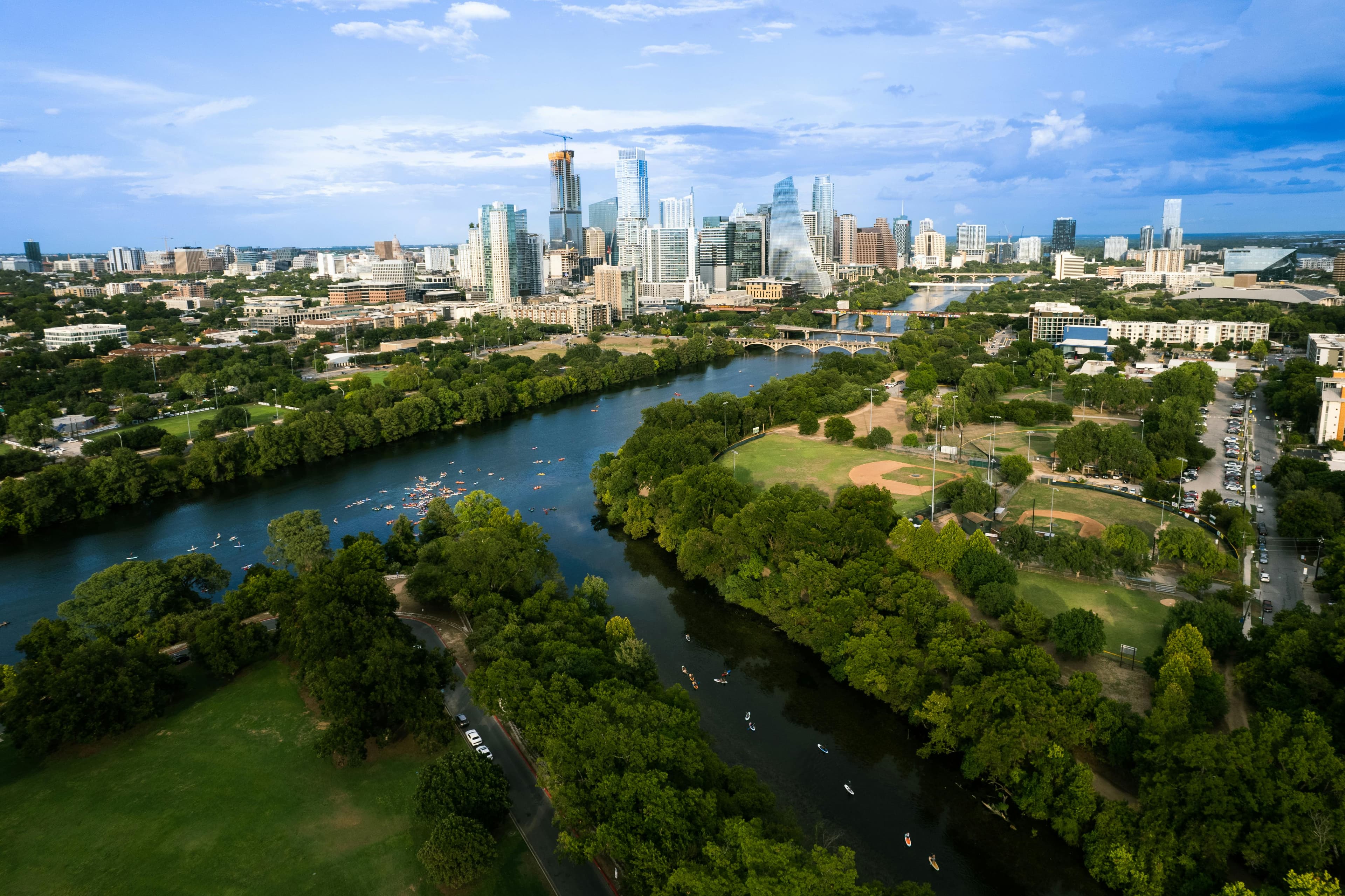
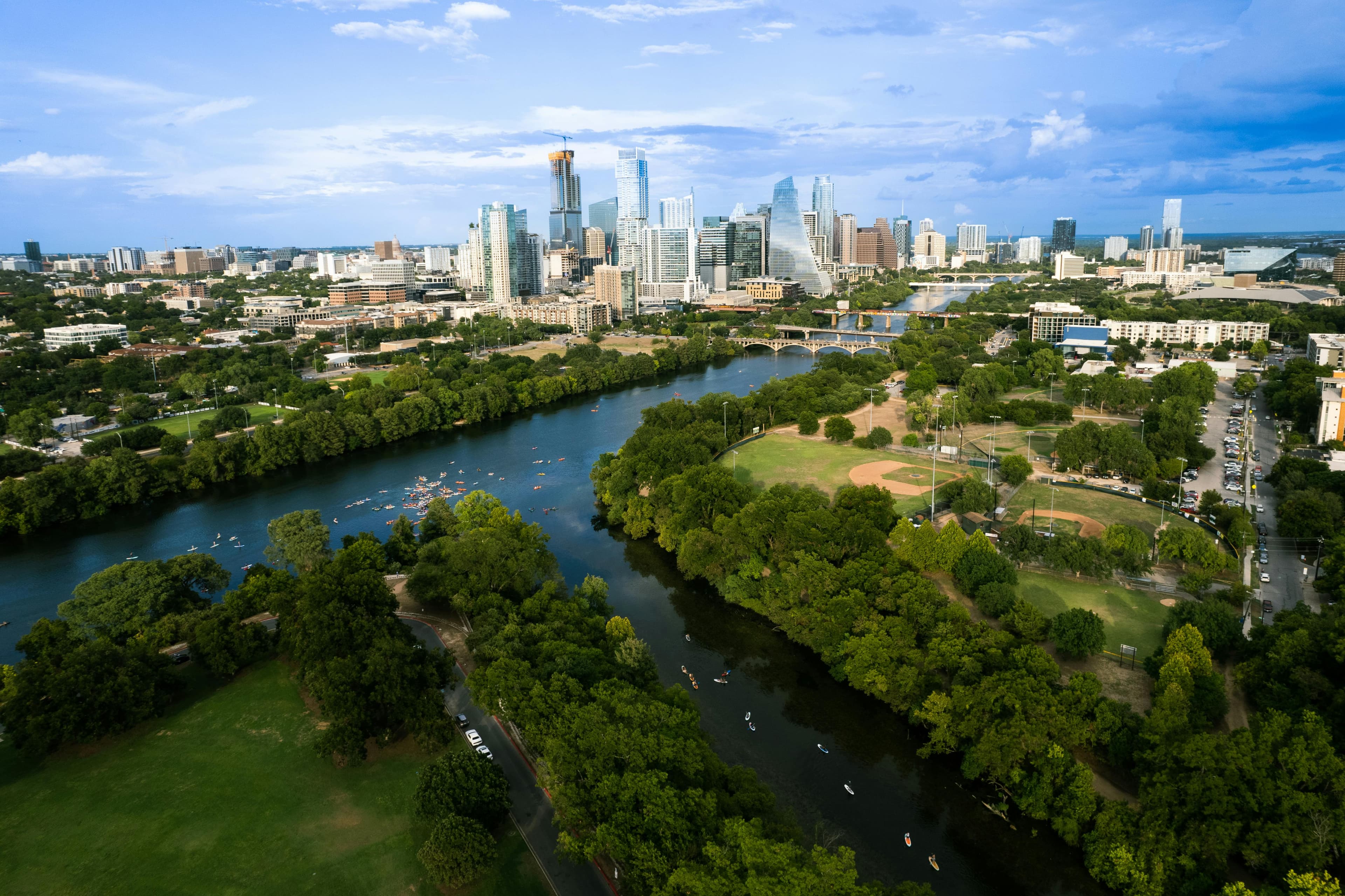
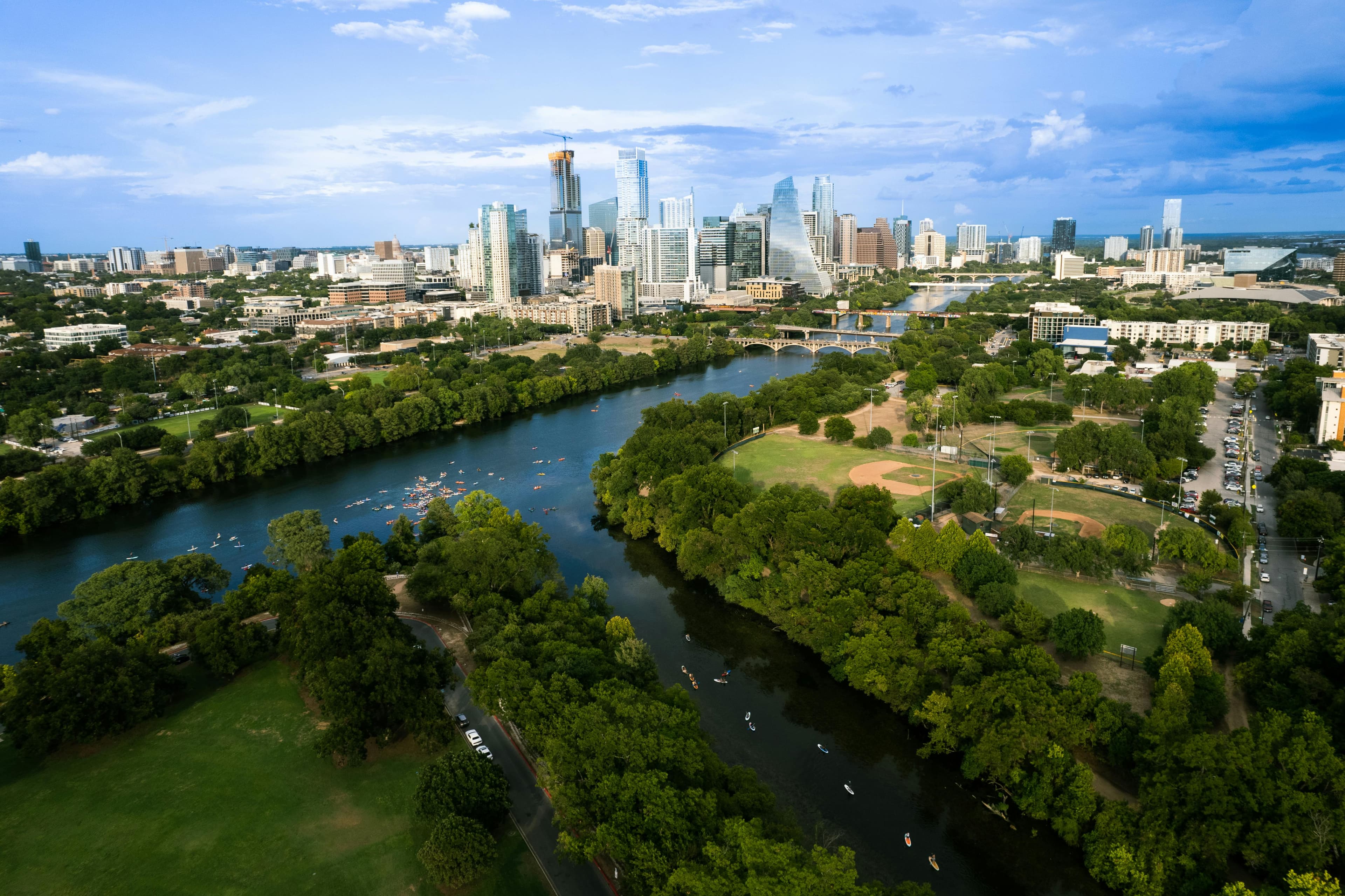
Austin is the rare American golf trip where the food and the music make as strong a case as the courses, and the courses are good enough to anchor the trip on their own. The Hill Country starts a few miles west of downtown: limestone canyons, cedar and live oak, creek-fed valleys, and a quiet that surprises you given the city's reputation. The golf is routed through that terrain. The barbecue, the wine country, and the live music sit a short drive back the other way.
You are looking at nine courses spread across roughly 90 miles of Texas Hill Country, anchored by two resorts that operate at opposite ends of the geography. Omni Barton Creek sits inside the Austin city limits with three premium courses on property. Horseshoe Bay Resort, 90 minutes northwest on Lake LBJ, adds a Robert Trent Jones Sr. collection plus a Jack Nicklaus design. Between them and the public courses scattered around the region, a four-day trip can cover five or six rounds without repeating a designer or a landscape.
Where to stay in Austin
Live prices from Booking.com, Expedia and more — every nearby hotel and rental in one search.
Prices and availability from Booking.com, Expedia and others via Stay22. GolfTrailsHQ may earn a commission at no additional cost to you.
The courses
The headline names are Tom Fazio and the Bill Coore and Ben Crenshaw partnership, and both are at Omni Barton Creek. The Fazio Foothills Course (1986) routes through cliff-lined fairways past natural caves and waterfalls. The Fazio Canyons Course (1999) threads Short Springs Branch Creek through oak and sycamore with canyon walls framing the holes. The Coore Crenshaw Course (1991) is the quieter star, only the second course the firm completed before they went on to design Sand Hills, Streamsong Red, and the rest of the modern minimalist canon. It is shorter, more strategic, and genuinely walkable in terrain where most courses are not. Skipping it because the Fazio courses get the headlines is a mistake.
Ninety minutes northwest at Horseshoe Bay, Robert Trent Jones Sr.'s Ram Rock is the headline test: narrow fairways, 62 bunkers, ten water hazards, and elevation changes through limestone outcroppings. It has hosted the Texas State Open and USGA qualifying. Summit Rock, a Jack Nicklaus Signature design, sits on the same property but stays on the premium tier. For public play, Falconhead Golf Club west of Austin is the strongest mid-range option, with a par-3 8th hole perched on a limestone ledge above cascading waterfalls that gets cited as one of the finest short holes in Texas. Lost Pines Golf Club at Hyatt Regency Lost Pines, east of the city, runs through prairie before descending into the Colorado River valley for the closing holes. Vaaler Creek and Crystal Falls fill the value end.
When to go
March through May and October through November are the windows. Temperatures sit in the 70s and low 80s, the humidity is moderate, and the bluebonnets blanket the roadsides in late March and April. February and December are playable shoulder months that start cool and warm by the turn. June and September are warm enough that early tee times become the strategy. July and August are the months to avoid unless you genuinely tolerate sustained heat above 95 degrees; the locals play at dawn or not at all.
Getting there
Austin-Bergstrom International (AUS) is the single point of entry, eight miles southeast of downtown with direct flights from every major US hub. Omni Barton Creek is roughly 22 miles west, a 30-to-40-minute drive. Falconhead is in the same corridor. Lost Pines is 25 miles southeast. Horseshoe Bay is the outlier at 90 miles northwest, a scenic hour and a half through the Hill Country. A rental car is not optional. The geography spans 90 miles end to end, and ride-sharing across that distance over four days will cost more than a midsize rental.
Beyond the course
The food and music scenes are the companion draws that lift Austin beyond a pure golf trip. The barbecue tradition here involves post oak smoke, long cook times, and lines that form before dawn at the best-known spots. Hill Country wineries in Driftwood and Wimberley, 45 minutes southwest, run small-group shuttle tours that pair naturally with a morning round. South Congress Avenue and Sixth Street cover the shopping and the live music; Barton Springs Pool, a three-acre spring-fed swimming hole that holds 68 degrees year-round, recalibrates the post-round recovery routine. Three or four days is the right duration. Five if you want to add Fredericksburg and Enchanted Rock as a full-day excursion to the west.